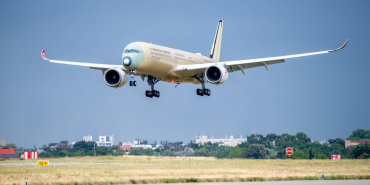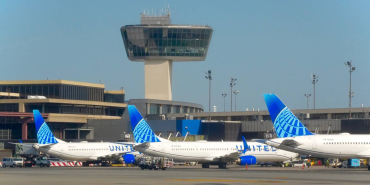

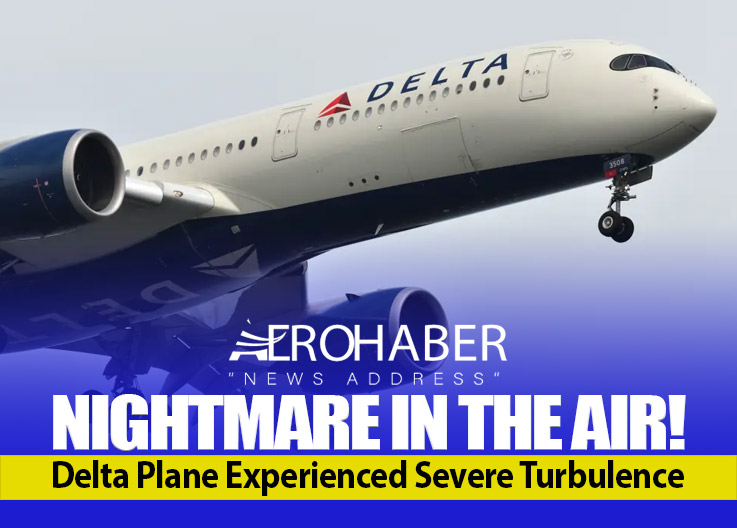


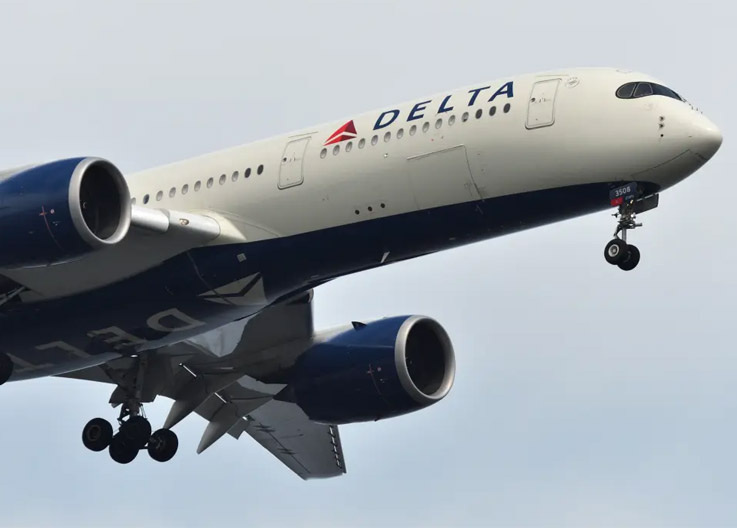
On Friday morning, a Delta Airlines flight traveling from Los Angeles to Sydney was exposed to turbulence during landing. Four cabin crew members were injured in the incident, while all passengers landed safely.
Details of the Incident
A Delta Air Lines spokesperson told BBC that the Airbus A350 aircraft operating flight DL41 encountered brief turbulence during its landing at Sydney Airport.
There were 245 passengers and 15 crew members on board. The flight was completed safely and normally at 06:48 local time.
Injuries and Response
New South Wales Ambulance Service assessed a total of five patients. Three of them were taken to hospital with minor injuries such as back and head pain. The injured individuals were between the ages of 30 and 70.
Ambulance teams stated that they received the call just three minutes before the aircraft landed and had emergency vehicles positioned on the runway.
Turbulence and Air Travel
Experts say that turbulence during flights is not uncommon, and severe cases are increasing.
For example:
- In 2024, a Singapore Airlines flight experienced five seconds of severe turbulence; passengers not wearing seatbelts were thrown from their seats, and one passenger died.
- Last year, a Delta flight on the Salt Lake City–Amsterdam route encountered turbulence just two hours into the long-haul flight; 25 people were injured.
According to estimates, out of more than 35 million flights worldwide each year, approximately 5,000 experience severe turbulence.
Impact of Climate Change
Experts state that climate change may make air travel more turbulent by altering atmospheric conditions.
Temperature changes in the upper atmosphere and shifts in wind patterns may increase the frequency and intensity of severe turbulence.
Severe turbulence can be strong enough to throw passengers not wearing seatbelts out of their seats.
https://www.airportgundem.com/delta-ucagi-turbulansa-yakalandi-4-kabin-gorevlisi-yaralandi/