


Following a shocking incident in June, a small Sunward SA 60L Aurora light-sport aircraft crashed into a Beijing skyscraper, resulting in a no-fly zone over the Chinese capital. The huge 372-mile (600-kilometer) wide no-fly zone is now permanently in effect, banning all non-commercial aircraft from the ground to an unlimited altitude.
The incident occurred on Friday, June 26, when the small aircraft crashed into the CITIC Tower in Beijing, the tallest tower in the city, standing more than 109 stories high. It is also known as the China Zun, and the pilot reportedly worked for a CITIC subsidiary based there.
As described by View From The Wing, the new no-fly zone will see all non-commercial aircraft banned from flying near Beijing, with only commercial aircraft or approved business, military, customer, police, or fire rescue flights operating above Beijing. The Chinese already tightly control airspace above Beijing, and after this crash, the permanent restriction has now been extended, adding to the more than 108,108 square miles (280,000 square kilometers) zone that restricts air operations above other major cities and regions.
The expanded zone above Beijing is the largest permanent airspace restriction over any city in the world. This comes as Beijing continues to assess security gaps in the airspace around the city, and follows the accident in June.
As reported by Reuters, all flights operating within the zone are expected to follow strict pre-approved flight plans and report any potential deviations. They must maintain two-way radio communication with air traffic control at all times. Aircraft must also be fitted with surveillance and identification equipment to allow ATC to conduct continuous surveillance.
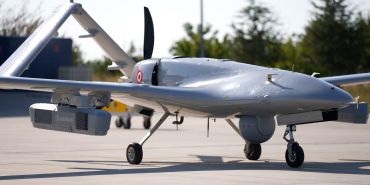
As mentioned, the small light sport aircraft (similar to that pictured above) crashed into the CITIC Tower in Beijing in June. The plane appeared to deviate from its filed flight plan, and the plane's transponder turned off just before the crash. Witnesses recounted seeing the incident unfold, as residents of the city center recalled the nose of the plane flying above. As the aircraft hit the tower, police, fire trucks and ambulances rushed to the scene.
The single-engine aircraft had a lone passenger, and it hit what was estimated to be the 65th floor. The plane was extensively damaged on impact and made a hole in the side of the skyscraper. Debris fell from the building onto the streets below.
Captain Liu Junhua, who was the pilot operating the aircraft, failed to join a required landing pattern at Beijing Shifosi Airport before deviating from the local airspace and heading towards the city centre. Following the crash into the building, the entire building was evacuated. As reported by the Financial Times, Liu's name is shown to be a person who held a managerial position at a subsidiary of CITIC Bank (the namesake of the tower). Notable tower details below, as per the developer's website:
Z15 plot, Guanghua Road, Beijing CBD, Chaoyang District, Beijing, China
The tallest building with a rooftop helipad in the world
A small aircraft veered off course, plunging into the heart of Beijing's tallest skyscraper, leaving a trail of debris and chaos in its wake.
The move by China to create the Italy-sized no-fly zone over the Chinese capital addresses the major security vulnerabilities that were identified after the Sunward SA 60L Aurora crash. The incident killed the 66-year-old pilot and injured a further 13 people, in what was documented in Liu's diary as a suicidal act.
Liu's flight flew undetected and unintercepted for almost half an hour across the city's suburbs, which revealed a large gap in critical air defense. The permanent Special Restricted Area stretches across Beijing, Tianjin and Hebei. Authorities also have citywide bans on owning or operating drones at any altitude. Only commercial flights and other pre-approved business aviation or essential military, policy, or emergency services are allowed to fly in this zone, with strict monitoring and electronic tracking.
Other notable cities around the world have strict no-fly zones, such as Washington DC, Paris, New Delhi, Moscow, and Wellington.