
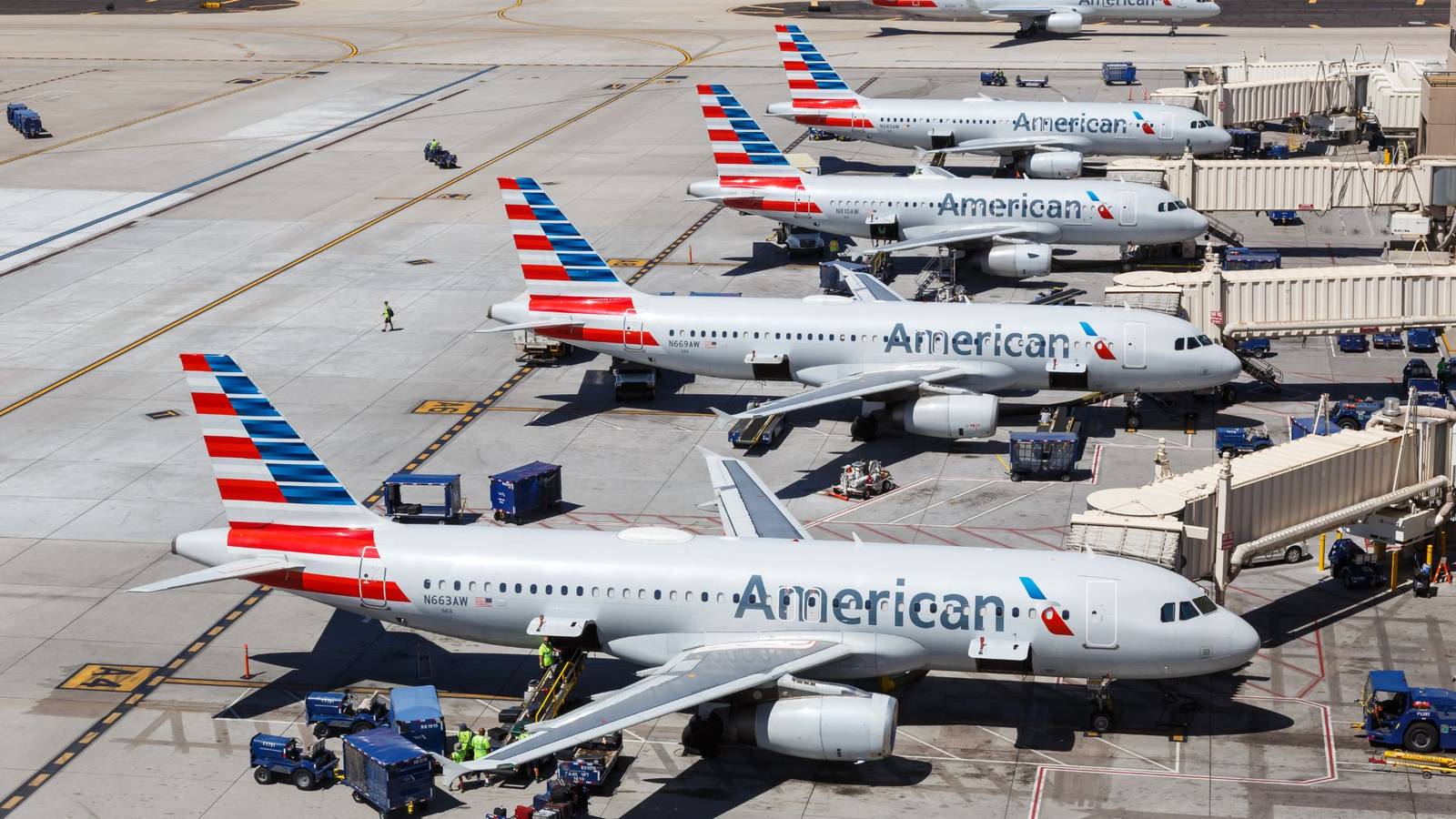


American Airlines is preparing one of its biggest narrowbody cabin changes in years, increasing the proportion of premium seats from approximately 25% today to around 40% in the coming years. The Fort Worth-based carrier announced the plan on August 18, 2026, alongside a major program to install seatback entertainment throughout its narrowbody fleet. The move will add more First Class and Main Cabin Extra (MCE) seats across existing and newly delivered aircraft, according to the American Airlines Newsroom announcement.
The increase represents a 60% rise in the share of narrowbody seats classified as premium, although it does not mean that every aircraft will receive an identical configuration. American will achieve the change through a combination of retrofits and new deliveries, with aircraft such as the Airbus A320 family receiving revised cabin layouts. The strategy reflects a broader shift among major US airlines toward selling more seats with additional space and amenities rather than relying almost exclusively on standard economy capacity.
American’s Premium Seat Revolution Takes Shape
American currently estimates that premium seating accounts for roughly one-quarter of seats on narrowbody departures. Under the new plan, that proportion will rise to approximately 40%, giving passengers significantly more opportunities to buy or receive upgraded seating. The airline is expanding both domestic First Class and Main Cabin Extra, with the latter offering extra legroom, earlier boarding, dedicated overhead-bin access and a complimentary beverage.
The changes will affect both current aircraft and future deliveries. American is already retrofitting its Airbus A319 and A320 fleets to add an additional row of First Class, while its forthcoming Boeing 737 MAX 10 aircraft will be delivered with 24 First Class seats. Meanwhile, the airline plans to reconfigure its Airbus A321neo fleet to provide 24 First Class seats, with that work expected to begin in late 2028.
American Chief Customer Officer Heather Garboden said in a statement:
“From next-generation seatback entertainment at every seat to substantially more premium seating options, these enhancements will give our customers more ways to relax, stay connected and enjoy their journey.”
Why Main Cabin Extra Is Particularly Important
The expansion of MCE could prove just as significant as the larger First Class cabins because American has historically offered relatively limited extra-legroom inventory on some of its most common narrowbody aircraft. One Mile at a Time notes that American’s Boeing 737-800 and 737 MAX 8 aircraft currently have only 24 MCE seats, including seats in the exit rows.
That limited supply can make MCE hard to get, especially for families and frequent flyers who want extra space without paying for First Class. American’s rivals have generally provided more extra-legroom inventory on comparable aircraft, making the planned expansion an important competitive adjustment. By increasing MCE availability, American should also have more premium seats to sell directly while giving loyalty-program members additional upgrade and seat-selection opportunities.
The cabin changes will not simply involve replacing a few economy seats with premium ones. American says virtually all of its narrowbody aircraft will receive refreshed interiors, including redesigned seats, additional storage and enhanced lighting. The airline is using the cabin reconfiguration as part of a wider attempt to modernize the passenger experience across its domestic network.
American is adding premium seats to aging Airbus jets, but the upgrade has limits.
The premium-seat expansion is closely linked to American’s broader investment in the onboard experience. Starting in 2028, all new Airbus and Boeing narrowbody deliveries will feature seatback screens at every seat, while American will retrofit existing aircraft as quickly as possible. The new system will feature large-format displays, 4K technology, Bluetooth audio, USB-C charging and personalized entertainment options.
American is also preparing to introduce Starlink high-speed Wi-Fi on its narrowbody aircraft beginning in 2027. Combined with the larger premium cabins and new entertainment systems, the strategy represents a substantial departure from the stripped-back domestic experience that has characterized many US narrowbody flights. However, the timeline means passengers will need to wait: One Mile at a Time reports that the premium-seat program is not expected to be fully realized until the early 2030s.
For American, the long-term goal is clear: make more of its narrowbody cabin capable of generating premium revenue while improving the experience for travelers willing to pay for additional comfort. Raising premium capacity from 25% to 40% is more than a cabin-layout change. It will increase American’s competitiveness, and it also signals how strongly the airline believes passengers will keep spending on extra space, better seating, and a more feature-rich journey.
Orijinal Haberi Görüntüle