




Fourteen people were killed in a Cessna-type aircraft that crashed near Juba, the capital of South Sudan. Initial findings indicate that low visibility and adverse weather conditions may have played a role in the accident.
Low visibility and adverse weather conditions once again brought aviation safety to the agenda in South Sudan
The plane crash that occurred near Juba, the capital of South Sudan, has reignited debates over the country’s civil aviation infrastructure and operational safety. According to information provided by the civil aviation authority, a Cessna-type aircraft that took off from the town of Yei crashed around the capital on Monday. All 13 passengers on board and the pilot lost their lives.
Initial assessments suggest that the crash may be linked to low visibility and challenging meteorological conditions.
Fog, Low Visibility and Rugged Terrain: Initial Findings Point to Weather Conditions
According to the preliminary assessment by authorities, adverse weather conditions during the flight may have played a decisive role in the crash. The foggy atmosphere in the region and limited visibility pose serious risks, especially for small aircraft operations.
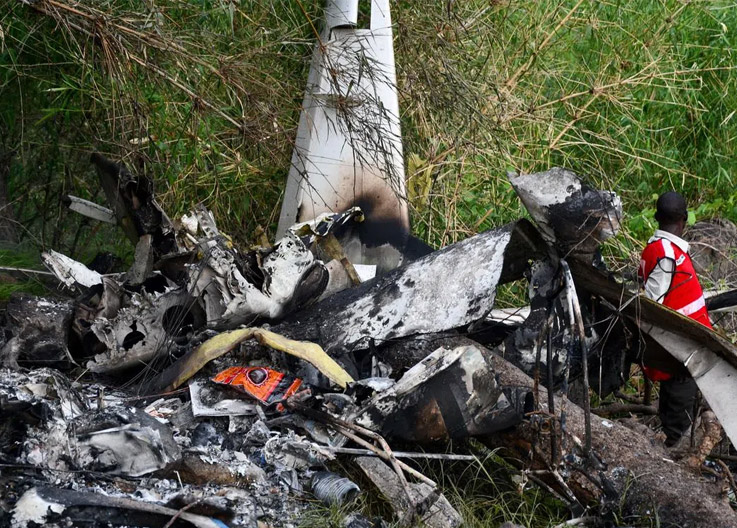
Images shared on social media revealed wreckage scattered across rugged terrain and engulfed in flames, highlighting the severity of the accident.
Foreign Nationals Among the Victims
According to statements, two Kenyan nationals were also among those who lost their lives in the crash. The other passengers were reported to be South Sudanese.
Search and Response Teams Rapidly Deployed
The civil aviation authority announced that teams were dispatched to the crash site, located approximately 20 kilometres outside Juba. However, the geographical structure of the area and weather conditions may have complicated the response efforts.
Due to the limited ground transportation infrastructure in South Sudan, domestic flights play a critical role. Therefore, each accident raises serious questions regarding the country’s transportation safety capacity.
Ongoing Safety Issues in Regional Aviation in Africa
This crash once again highlighted the structural risks faced by small aircraft operations in certain parts of Africa. Aging fleets, limited navigation support, lack of meteorological monitoring and infrastructure challenges make aviation safety particularly fragile in developing countries.
Although Cessna-type aircraft are widely used in short-runway and regional operations, weather conditions and pilot decision-making processes are of vital importance in such flights.
Investigation Process Will Be Critical
The exact cause of the crash will become clear following technical examinations and the evaluation of flight data. Although initial findings focus on weather conditions, factors such as technical failure, operational procedures or human factors are also expected to be examined comprehensively.
This process will not only reveal the cause of the crash but will also serve as an important test for improving safety standards within South Sudan’s civil aviation system.