
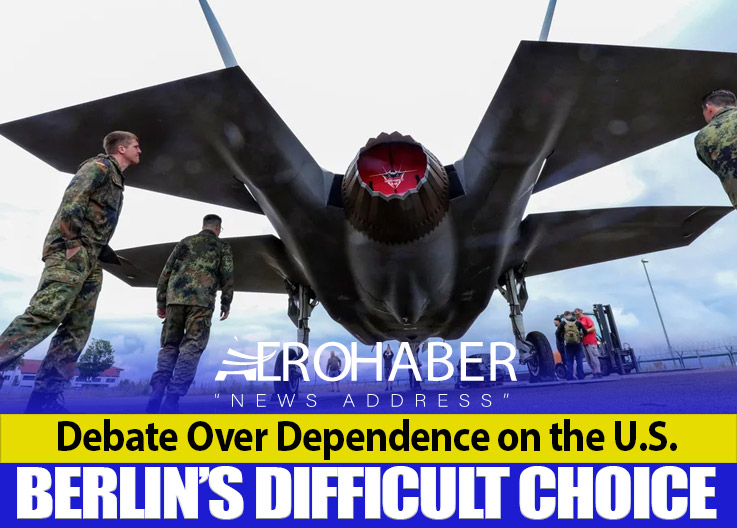


As disagreements in the FCAS project continue, Germany’s search for an alternative to F-35 fighter jets is on the agenda. Berlin stands at the threshold of a strategic decision between joining GCAP, European procurement, and dependence on the United States.
While Germany aims to strengthen its Europe-centered defence procurement strategy, the crisis in the FCAS project carried out with France and Spain has confronted Berlin with a difficult choice. Are the American F-35s a temporary solution, or a long-term dependency?
Why Has the FCAS Project Stalled?
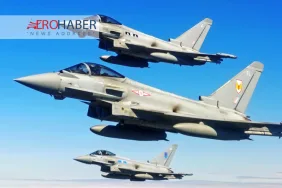
For nearly a decade, Germany, France, and Spain have been working on Europe’s sixth-generation fighter jet project, the Future Combat Air System (FCAS). The project aims to replace the existing Eurofighter Typhoon and French Dassault Rafale fleets from 2040 onwards.
However, the project has slowed due to leadership and workshare disputes between the German defence giant Airbus and the French manufacturer Dassault Aviation. While Paris seeks to assume a leading role in the project, Berlin demands a more balanced industrial share.
German Chancellor Friedrich Merz has, for the first time, openly raised the possibility of Germany withdrawing from the project, pointing to France’s nuclear power status and differing security priorities.
In response, French President Emmanuel Macron emphasised the strategic importance of FCAS, arguing that Europe needs a joint fighter aircraft.
What Options Does Berlin Have?
If FCAS fails, Germany faces three main options:
- Developing its own fighter jet (considered unlikely by experts)
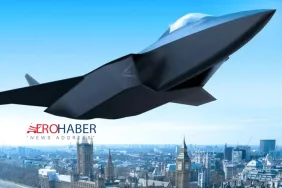
- Joining the British-Italian-Japanese partnership Global Combat Air Programme (GCAP)
- Purchasing more F-35 Lightning II aircraft from the United States
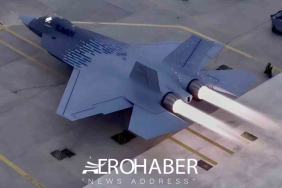
GCAP aims to develop a sixth-generation fighter jet by 2035 by merging the United Kingdom’s “Tempest” and Japan’s FX programmes. However, joining the project at a later stage presents technical and political challenges.
F-35: Temporary Solution or Strategic Dependency?
In 2022, Germany decided to purchase 35 F-35 aircraft from the U.S. defence company Lockheed Martin. These aircraft will replace the German Air Force’s ageing Tornado fleet.
The F-35A model has the capability to carry the U.S.-made B61-12 nuclear bomb. This feature is of critical importance for Germany under NATO’s nuclear sharing arrangements.
However, the F-35 contains highly sensitive technologies subject to U.S. ITAR export regulations. This situation conflicts with Europe’s goal of achieving strategic autonomy in defence.
In Berlin, it is also stated that political changes in Washington — particularly the increased NATO pressure during the Donald Trump era — have raised questions about the long-term reliability of the United States.
Is the “Buy European” Strategy at Risk?
According to the German government’s internal plans, only 8 percent of upcoming major defence tenders are expected to be awarded to U.S. companies. However, as in the case of the F-35, some technologies do not appear to be producible in Europe in the short term.
Defence experts note that the F-35’s technical complexity and continuous software updates could create long-term cost pressures. The aircraft’s description as a “flying computer” reflects not only its advanced capabilities but also the risk of operational dependency.
A Strategic Crossroads
The fundamental question facing Berlin is this:
- Should it take risks and enter a new partnership to strengthen Europe’s defence industry?
- Or should it continue with American F-35s that guarantee operational security in the short term?
According to experts, for Germany the F-35 will either serve as a temporary bridge solution or become a long-term strategic burden.