
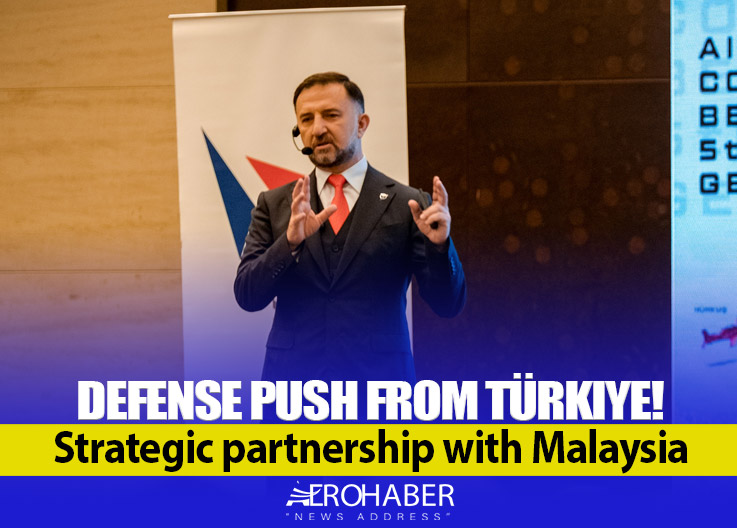


TUSAŞ aimed to expand Türkiye–Malaysia aviation and defense cooperation at the conference it organized in Kuala Lumpur; technology transfer and joint production topics were discussed.
Aviation and defense cooperation is expanding on the Türkiye–Malaysia line
Turkish Aerospace Industries organized the “Türkiye–Malaysia Cooperation Conference in the Aviation Ecosystem of the Future” in Kuala Lumpur, the capital of Malaysia. At the event, the scope of joint projects and cooperation models in the field of defense and aviation between the two countries were discussed.
Many institutions from the sector, particularly the Malaysian Ministry of Defence, MIGHT and NAICO Malaysia, attended the conference.
Emphasis on “strategic partnership”
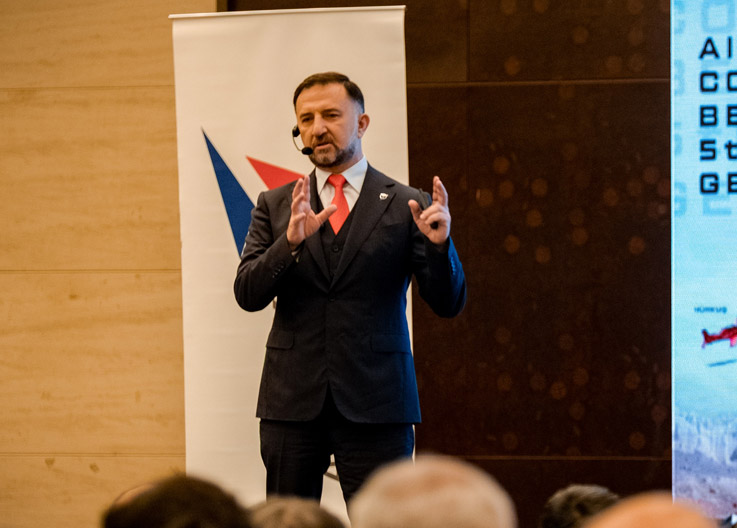
Speaking at the event, Mehmet Demiroğlu stated that relations between Türkiye and Malaysia have gone beyond a commercial framework and noted that cooperation is progressing on the basis of a strategic partnership grounded in mutual trust.
Demiroğlu stated that activities in Malaysia are not limited to the export of products and services; they are shaped within a broader framework that includes technology development, joint production and knowledge sharing.
Joint production and technology transfer on the agenda
During the panel sessions held within the scope of the conference, topics such as technology transfer, supply chain integration and the training of a qualified workforce were discussed. It is aimed that cooperation to be established in these areas will transform the aviation ecosystem of the two countries into a more integrated structure.
Participants stated that bringing together the production capabilities and engineering infrastructure of Türkiye and Malaysia will pave the way for the development of more competitive projects in the global market.
From regional cooperation to global competition
The organization in Kuala Lumpur is considered an important part of Türkiye’s defense and aviation expansion in the Asia-Pacific region. Strengthening TUSAŞ’s presence in the region not only increases export volume but also contributes to the establishment of long-term strategic partnerships.