


Trump Administration Reaffirms Stance Against Turkey’s F-35 Purchases
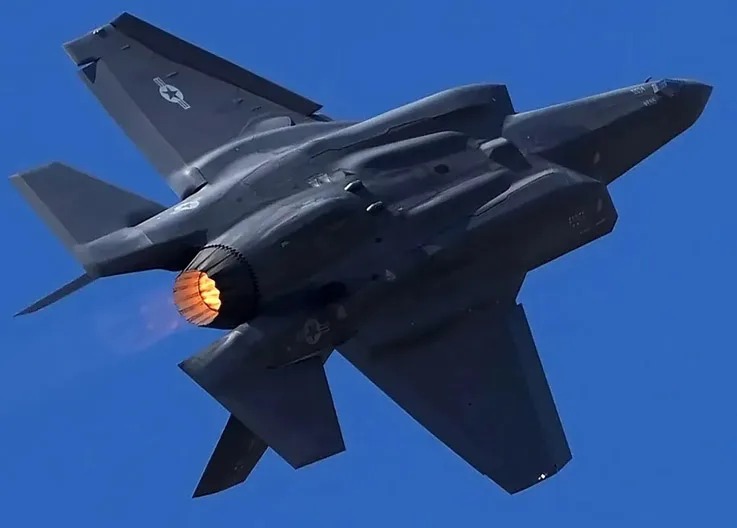
The United States has maintained its position against Ankara’s participation in the F-35 fighter jet program due to Turkey’s purchase of the Russian S-400 air defense system. The Trump administration has once again informed Congress of the 2017 decision to remove Turkey from the program following the S-400 acquisition and the potential security risks involved.
Paul D. Guaglianone, a senior legislative official at the U.S. State Department, emphasized in a letter to Congress that Turkey’s use of Russian defense equipment could leave F-35 technology vulnerable to Moscow and weaken NATO’s air defense. In response to calls for sanctions by 40 Democratic lawmakers on August 7, Guaglianone reaffirmed the U.S.’s commitment to the CAATSA law and defense policies.
Turkey’s Role in the F-35 Program and Consequences
Turkey was removed from the F-35 consortium in 2019, losing both its buyer and producer roles. Ankara had planned to acquire over 100 jets and produce key components. This led to disruptions in the supply chain and increased program costs.
In 2020, certain sanctions were imposed on Turkey’s defense industry. However, Senator Jim Risch, Chairman of the Senate Foreign Relations Committee, stated that F-35 sales would remain blocked as long as the S-400 systems were not divested.
Tensions in U.S.-Turkey Relations
The F-35 dispute remains a central issue in U.S.-Turkey relations, despite the Trump administration’s efforts to strengthen ties with the NATO ally. Other points of tension include U.S. cooperation with Kurdish groups in Syria.
Turkey’s exclusion from the F-35 program represents a significant shift in long-standing defense cooperation and highlights the conflict between Ankara’s increasingly independent foreign policy and its NATO commitments.