


Former Alaska Airlines Pilot Joseph David Emerson Admits Attempt to Disable Engines
Incident Details
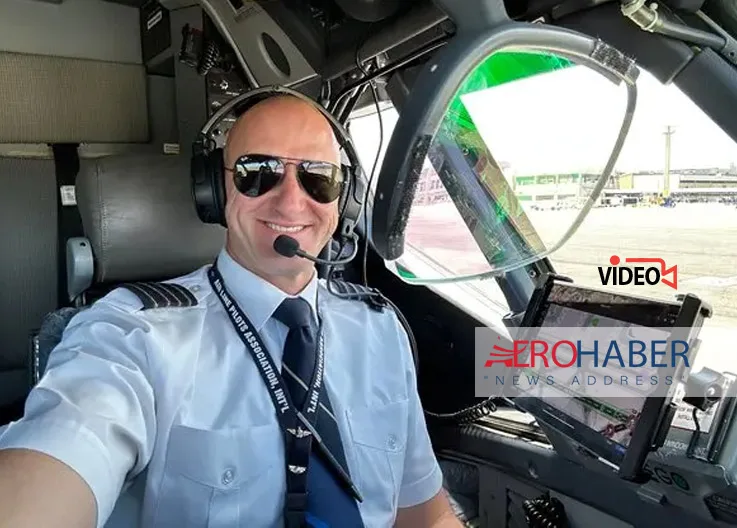
The long-discussed Alaska Airlines incident in the U.S. aviation sector reached a new stage with federal court proceedings. Former pilot Joseph David Emerson admitted the charges against him for attempting to shut down engines on a passenger plane.
The incident occurred on October 22, 2023, during Alaska Airlines Flight 2059 from Everett to San Francisco. Not on duty at the time, Emerson was sitting in the jump seat in the cockpit when he told the pilots, “I’m not okay.” He then attempted to cut off fuel flow by activating the engines’ fire suppression systems. The cockpit crew intervened, preventing a potential disaster. The crisis, which lasted approximately 90 seconds, was brought under control by the pilots, and the aircraft was safely redirected to Portland.
There were 83 passengers and 5 crew members on board. The event is considered one of the most critical aviation safety crises in recent years.
Court Process and Sentences
In federal court, Emerson pleaded guilty to “interfering with the flight crew.” Prosecutors requested a one-year prison sentence, with no additional penalties proposed.
In Oregon state court, Emerson did not contest charges of “recklessly endangering others.” According to the court’s ruling:
-
He received 50 days in prison (credited for time already served in custody),
-
He was sentenced to 5 years of probation,
-
Ordered to complete 664 hours of community service,
-
Required to pay approximately $60,659 in restitution.
Additionally, Emerson must undergo regular evaluations for alcohol and drug use, refrain from using prescription or illicit substances, and is prohibited from approaching jet aircraft closer than 25 feet without supervisor approval.
Psychological Crisis and Confession
Court records reveal Emerson described experiencing severe psychological distress before the incident. He reported losing a close friend, struggling with long-term depression, and using psilocybin mushrooms on the day of the incident.
He admitted he had not slept for more than 48 hours before the flight and described feeling “like dreaming” while in the cockpit. Emerson claimed the engine shutdown attempt was not a deliberate attack but the result of a mental health crisis.
During the hearing, Emerson stated:
“This difficult journey has made me a better father, a better husband, and a more responsible member of my community.”
Prosecutors rejected this defense, describing Emerson’s actions as “reckless and selfish.”
Social and Professional Implications
The incident reignited discussions in the aviation sector regarding the critical impact of pilots’ mental health on flight safety. Experts emphasize that this case highlights the need for more comprehensive psychological evaluations and support programs for pilots.
In addition to his sentences, Emerson will volunteer for “Clear Skies Ahead,” a nonprofit for pilot health founded by his wife, contributing to awareness projects aimed at enhancing pilots’ mental resilience.
Next Steps
Emerson’s federal court sentence will be announced on November 17, 2025. The court has the authority to impose up to one year in prison.
The announcement will significantly shape Emerson’s personal and professional future. The aviation industry is closely monitoring the outcome.