
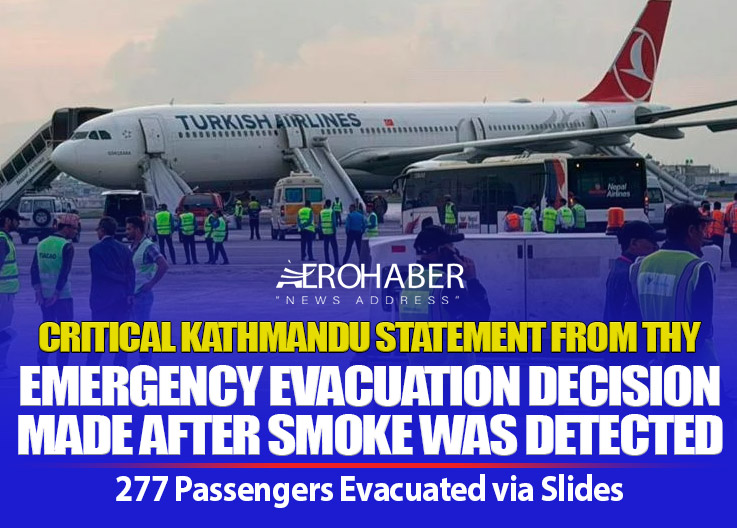


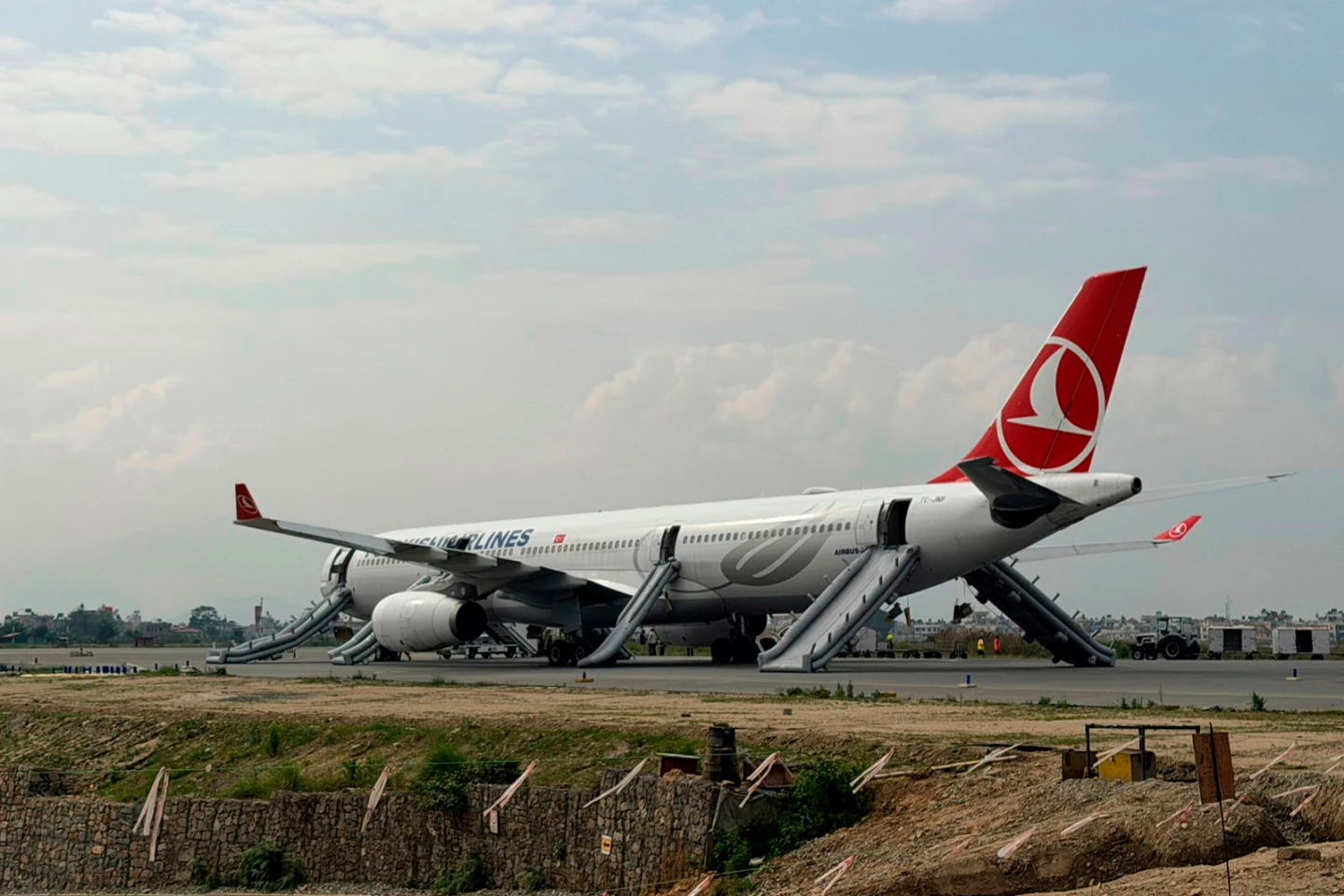
A total of 277 passengers were evacuated via the slide system after smoke and flames were observed following the landing of a Turkish Airlines Airbus A330 aircraft in Kathmandu. THY stated that no injuries occurred in the incident and that initial findings point to a hydraulic system malfunction.
The incident involving a Turkish Airlines passenger aircraft operating the Istanbul–Kathmandu route caused brief panic in Nepal. Smoke and subsequently flames were observed from the landing gear of the Airbus A330 aircraft while taxiing after landing at Tribhuvan International Airport. The crew activated international emergency procedures and evacuated the passengers via the slide system.
Authorities announced that the 277 passengers and 11 crew members on board were safely evacuated and that no injuries were reported in the incident.
The Incident Began on the Taxiway
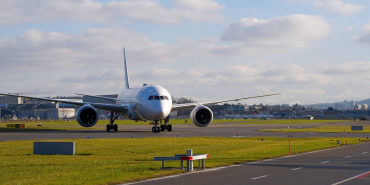
According to the statement made by THY Press Counsellor Yahya Üstün, the Airbus A330 aircraft registered TC-JNP and operating flight TK726 landed normally on the runway. The issue emerged while the aircraft was taxiing.
After tower crews noticed smoke rising from the landing gear, emergency safety procedures were immediately activated. Cabin crews evacuated the passengers in a short time using the emergency slides.
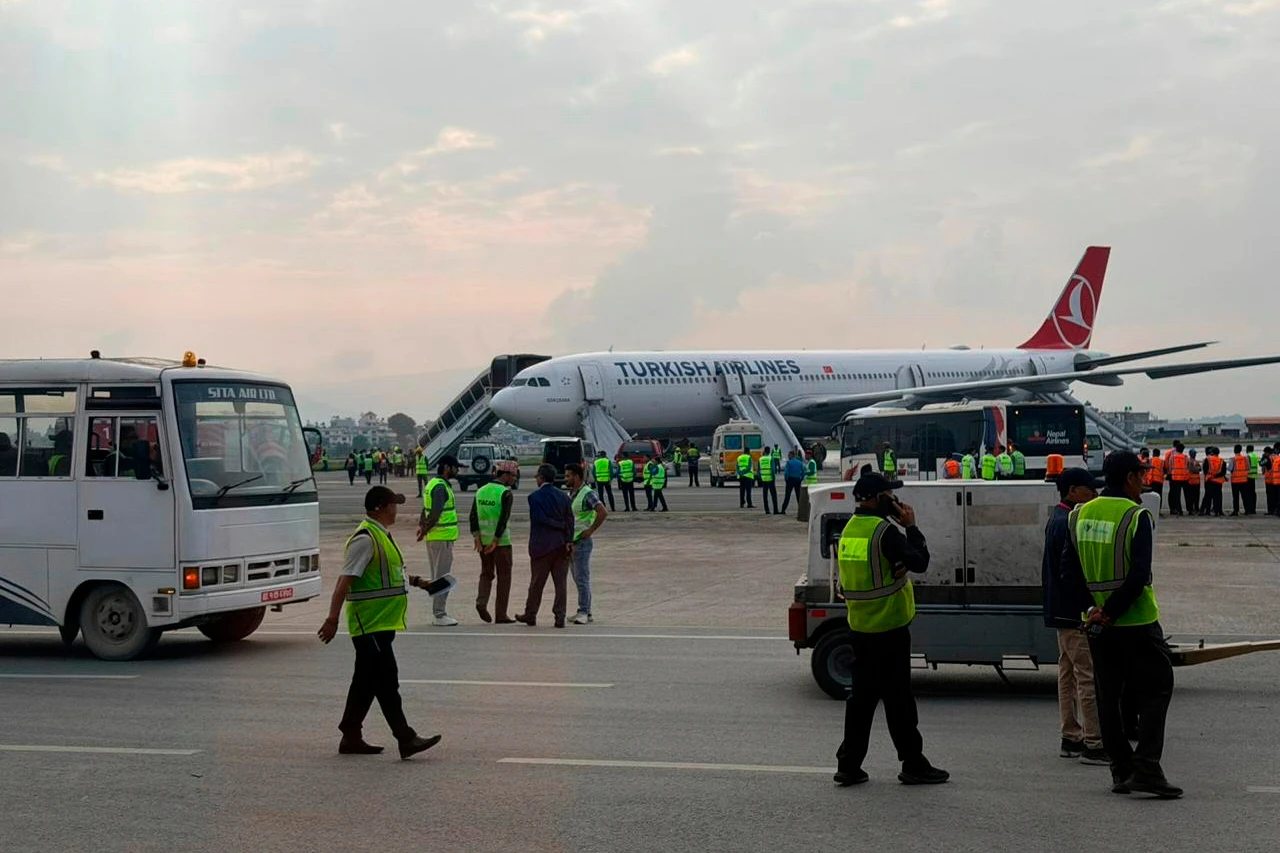
Airport firefighting and emergency response teams were dispatched to the scene, and the fire was reportedly brought under control quickly.
Initial Technical Assessment: Hydraulic System Failure
In the initial assessment made by THY, it was stated that the smoke may have been caused by a technical malfunction in a pipe within the hydraulic system. It was noted that a comprehensive technical inspection had been launched on the aircraft and that the detailed report would become clear following the investigation.
As is known, smoke incidents involving landing gear can often be linked to technical problems related to braking systems, hydraulic lines, and excessive heat. Therefore, in accordance with international aviation regulations, evacuation procedures are implemented even at the slightest risk possibility.
Kathmandu Airport Temporarily Closed
Following the incident, Tribhuvan International Airport was temporarily closed to flight operations. Authorities announced that the airport reopened approximately two hours later after the aircraft had been towed to a safer location.
Later in the day, it was stated that flights continued according to the planned schedule.
Risk Factor in Nepal Air Operations
Nepal is regarded as one of the world’s most challenging regions for air operations due to its geographical structure and variable weather conditions. In particular, mountainous terrain, sudden weather changes, and limited approach corridors make piloting and operational processes more sensitive.
THY’s Kathmandu operations had previously made headlines as well. In 2015, another Turkish Airlines aircraft arriving from Istanbul skidded off the runway while landing in dense fog, causing the airport to remain closed for several days. No casualties occurred in that incident, and the damaged aircraft was later put on display near the airport.