


New Phase in a Long-Awaited Process
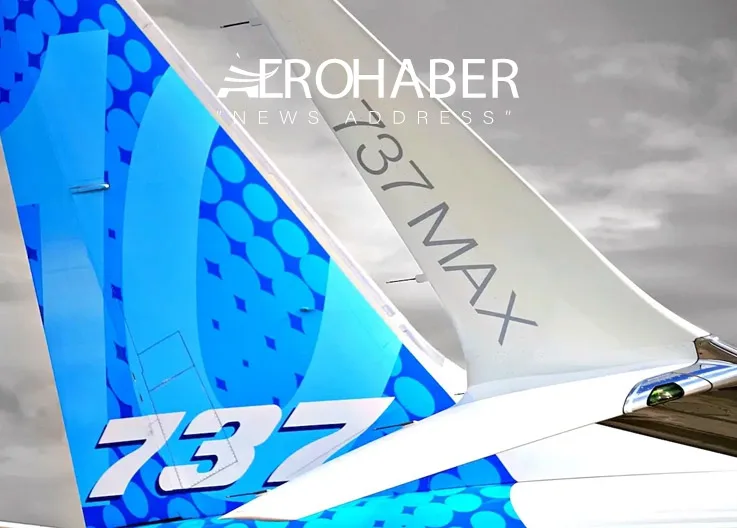
It has been reported that the US Federal Aviation Administration (FAA) has granted permission to proceed to second-phase flight tests in the long-delayed certification campaign for the MAX 10, the largest version of Boeing’s best-selling narrow-body aircraft family, the 737 MAX. A source close to the matter stated that the testing process is expected to gain momentum in the coming period.
Boeing and the FAA declined to make any official comment on the matter.
Boeing: “Certification Can Be Completed This Year”
Boeing executives had previously stated that the certification process for both the smallest member of the 737 MAX family, the MAX 7, and the largest model, the MAX 10, is targeted to be completed this year. According to aviation data analysis company Cirium, Boeing has more than 1,200 firm orders for the MAX 10 model.
Engine De-Icing Issue Slowed the Process
Boeing experienced significant delays in the certification of both the MAX 7 and MAX 10 models due to technical issues related to the engine de-icing system. Similarly, the company has faced schedule slippages in the certification process of its 777X wide-body aircraft.
In October, the FAA granted Boeing permission to increase 737 MAX production to 42 aircraft per month, lifting the 38-aircraft production cap that had been in effect since January 2024.
FAA Approval Does Not Cover the MAX 7
According to sources, the FAA’s latest approval does not apply to the MAX 7 model. Second-phase flight tests in the certification process cover avionics systems, thrust performance and other critical elements of the design. However, a permanent solution to the de-icing issue has not yet been found.

Competitive Pressure from the Airbus A321neo
The 737 MAX 10 competes directly with the Airbus A321neo in the market. According to experts, prolonged certification delays increase the risk of Boeing losing market share in this segment.
This week, Alaska Airlines placed an order for 105 MAX 10 aircraft. Alaska Airlines CEO Ben Minicucci stated that he has full confidence that the MAX 10 will be certified within this year.
Analysts Cautious: “There Is No Progress Without Certification”
Aviation analyst and Leeham Company executive Scott Hamilton assessed the process cautiously, using the following remarks:
“This is progress, but it cannot be considered real progress until the MAX 10 is certified.”
Hamilton also emphasised that without a clear certification timetable, it would not be possible for Boeing to begin serial production at its factory in Everett, Washington state.