



China’s state-controlled aircraft manufacturer Comac strengthened its ambitions for the Asia-Pacific market with the C919 passenger aircraft at the Singapore Airshow. According to analysts, delivery delays at Boeing and Airbus are creating a significant opportunity for Comac in the region.
C919 takes centre stage for Asia-Pacific
While commercial aircraft mock-ups, cockpit simulators and interactive technology zones stood out at the Singapore Airshow, one of the most eye-catching stands belonged to Comac.
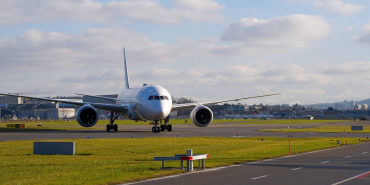
According to the BBC, following the C919’s first flight outside China to Singapore two years ago, the company has positioned Southeast Asia as a strategic target market. Comac officials openly state that the C919 is a direct competitor to the Airbus A320neo and Boeing 737 MAX models.
IATA: “It will become a global competitor within 10–15 years”
Willie Walsh, Director General of the International Air Transport Association (IATA), drew attention to Comac’s long-term potential.
“Over time, Comac will become a global competitor. This will take time, but in 10–15 years we will be talking about Boeing, Airbus and Comac together,” Walsh said, emphasising that the company could become a major player in the future.
Delivery delays create room for Comac
According to analysts, the Asia-Pacific region needs a new aircraft manufacturer more than ever. Delivery delays at Boeing and Airbus, engine supply issues and global supply chain bottlenecks are putting significant pressure on airlines in the region.
IATA data show that the average age of global fleets is increasing, which is driving up fuel consumption and operating costs. According to Walsh, if enough aircraft were available, Asia-Pacific airlines could achieve double-digit growth in 2026.
Orders from the region are increasing
Comac has announced that it has delivered more than 200 C909 and C919 aircraft to date. Approximately a quarter of these aircraft are operated by airlines in Laos, Indonesia and Vietnam.
Notable orders include:
- A major order placed by Brunei-based GallopAir,
- Cambodia’s plan to acquire around 20 aircraft.
An attractive option for low-cost carriers
Strong state support and a relatively low pricing policy make Comac aircraft particularly attractive for low-cost airlines in developing markets.
Cebu Pacific CEO Mike Szucs said the Philippine-based carrier is approaching Comac cautiously but keeping an open mind, stating: “Once the necessary certifications are completed in the 2030s, Comac could become an attractive option for us and other carriers.”
European certification is a critical milestone
In addition to Asia-Pacific, Comac is also pursuing European certification. Test flights for the C919 are continuing in Europe, while regulators note that this process could extend to 2028 or even 2031.
The main challenges facing the company are listed as follows:
- Integration of Chinese- and Western-origin components and software
- Insufficient global maintenance and repair infrastructure
- Establishment of pilot training and service networks
In these areas, Boeing and Airbus have the advantage of decades of experience.
Competition is not limited to two giants
In the Asia-Pacific region, Comac is competing not only with Boeing and Airbus, but also with Brazil’s Embraer. Embraer has secured a strong position in the region through orders from airlines such as Scoot, Virgin Australia and All Nippon Airways (ANA).
Meanwhile, Boeing and Airbus also maintained a strong presence at the Singapore Airshow, delivering the message that delivery delays are gradually easing.
Order figures under scrutiny
Comac previously announced that it had received more than 1,000 C919 orders from Chinese airlines. However, it is known that only around a dozen aircraft have been delivered so far.
The company’s state-controlled structure and lack of public listing make it difficult for independent sources to verify order and delivery figures.