


Business Jet Accident in the U.S.: Two People Survived
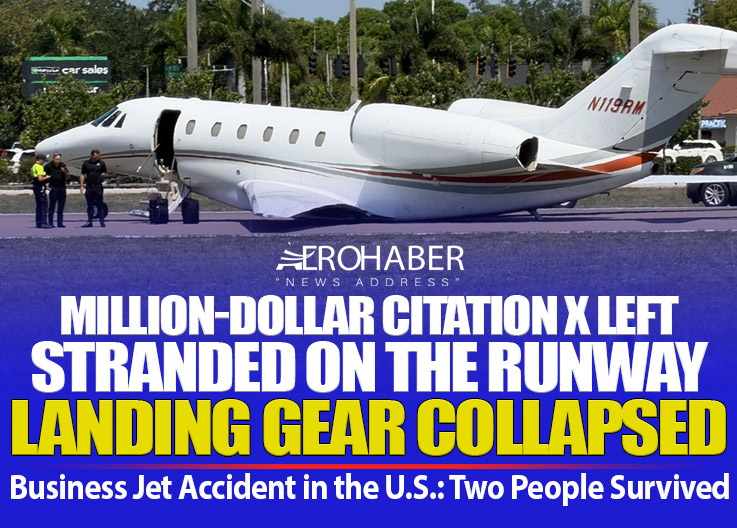
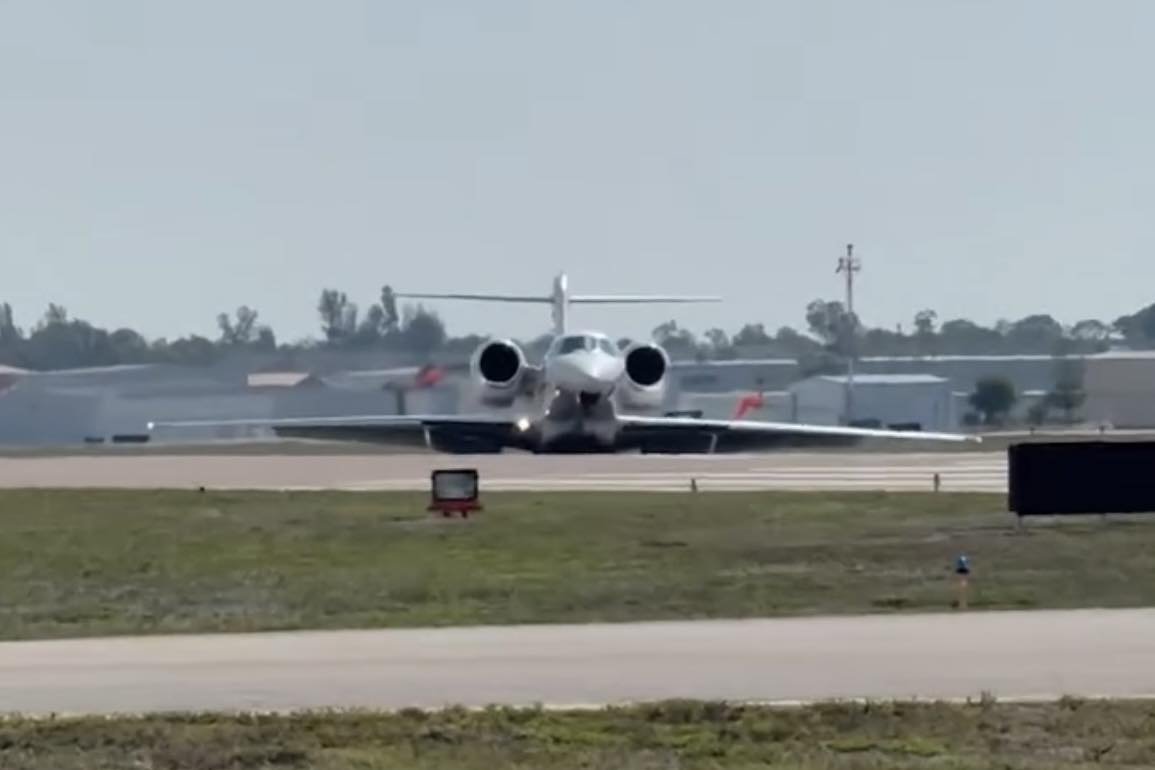
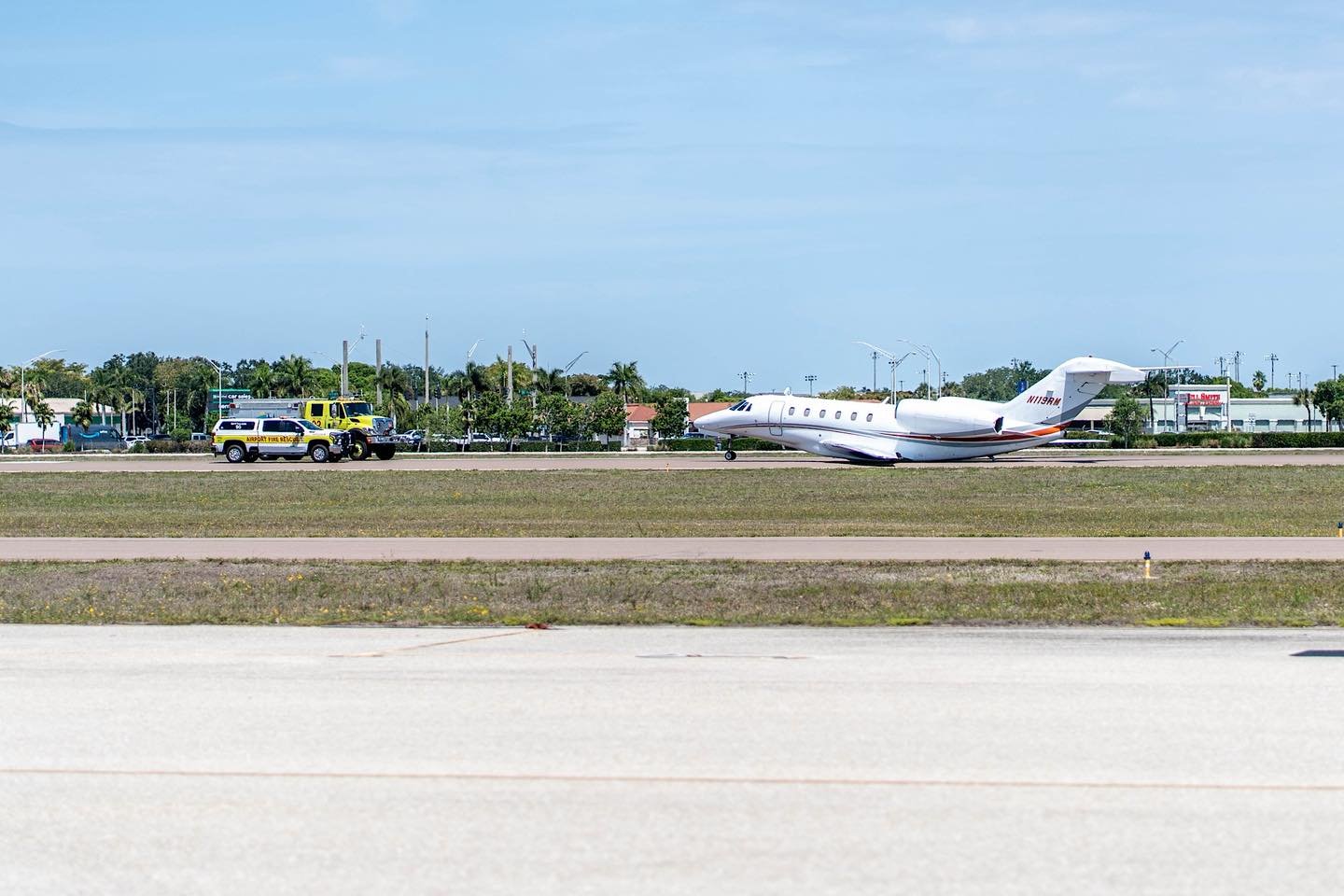
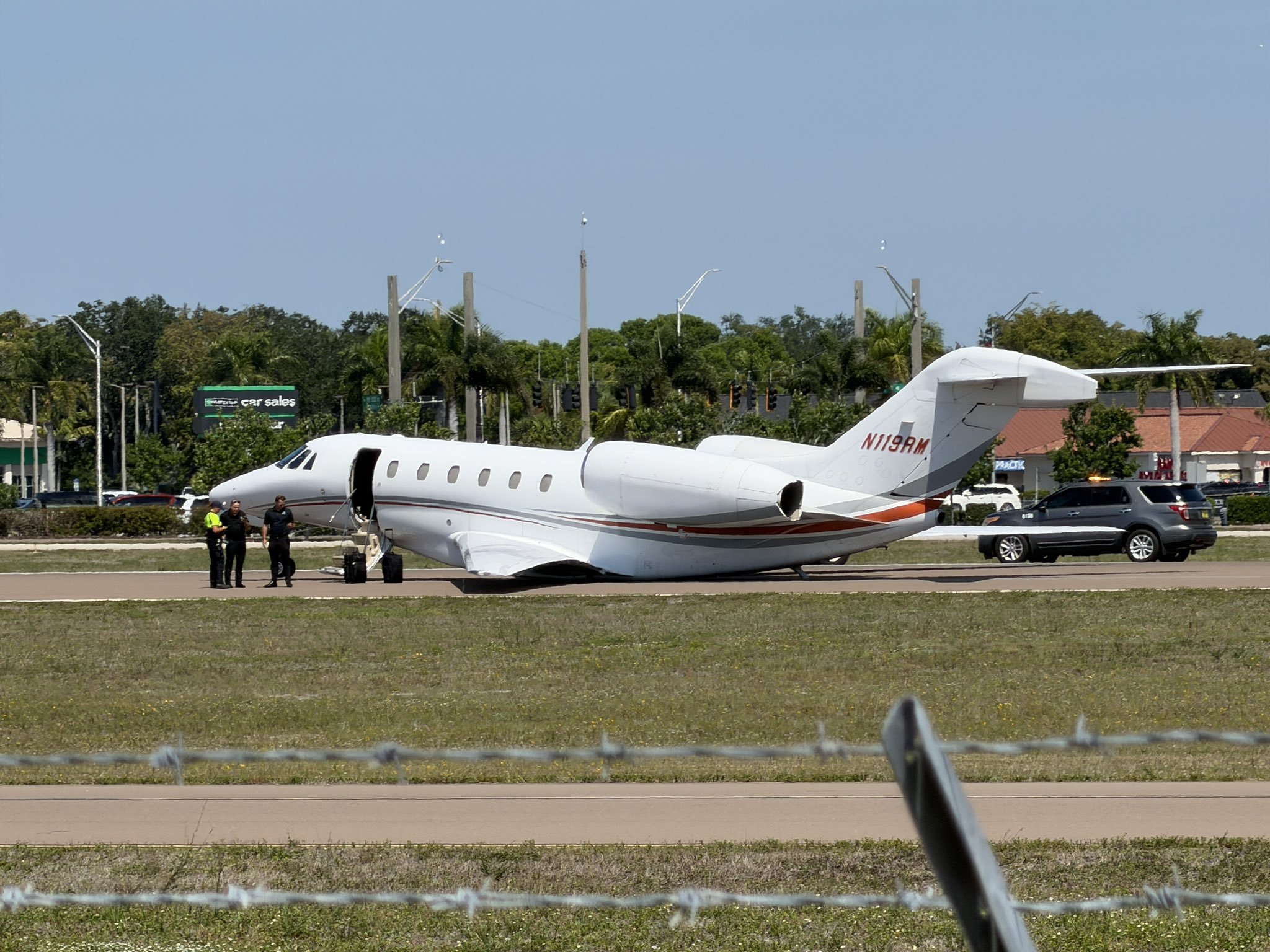
A Cessna Citation X business jet performed a belly landing at Page Field Airport in Florida due to a landing gear malfunction. The two people onboard escaped the accident without injuries.
Page Field Airport in the U.S. state of Florida witnessed moments of brief panic. A Cessna Citation X, a super mid-size business jet, performed a belly landing on Runway 23 after its main landing gear collapsed during landing.
The accident occurred on Saturday at 10:14 a.m. local time. According to initial reports, the two people onboard survived the incident unharmed.
Took Off from Fort Lauderdale, Emergency Occurred Minutes Later
The Citation X business jet, registered as N119RM, departed from Fort Lauderdale-Hollywood International Airport at 09:49 a.m. After an approximately 25-minute flight, the critical malfunction occurred during final approach to Page Field Airport in Fort Myers.
Initial findings indicate that the main landing gear lost its structural integrity upon runway contact. The aircraft remained controllable and was able to slide along the runway before coming to a stop. Runway operations were briefly disrupted following the incident.
Citation X Is One of the Fastest Business Jets in the World
The Cessna Citation X has long been regarded as one of the world’s fastest civilian business jets. Known for its high performance and long-range capability, the aircraft type is widely used in corporate and private charter operations.
In incidents of this kind, technical teams typically examine the landing gear locking mechanism, hydraulic systems, shock absorber structure, and runway impact loads in detail. While the absence of casualties has been considered the greatest relief at this stage, the malfunction has once again highlighted the importance of maintenance safety in business jet operations.
Investigation Launched
Following the incident, airport teams began efforts to remove the aircraft from the runway. The technical investigation into the accident is expected to be conducted by U.S. aviation authorities.