


Josh is an Aviation Journalist and lifelong aviation enthusiast who’s now turning that passion into a career. From watching planes and playing flight simulators at a young age to now sitting in the cockpit, Josh has always been drawn to the world of flight.
Currently training to become a commercial pilot, Josh aims to make aviation interesting and accessible to everyone, whether you’re in the industry or simply passionate about aviation.
Now actively building a career in Aviation, Josh is focused on telling stories from inside the aviation world, stories shaped by firsthand experience, curiosity, and a genuine love of all things that fly.
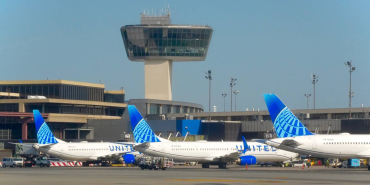
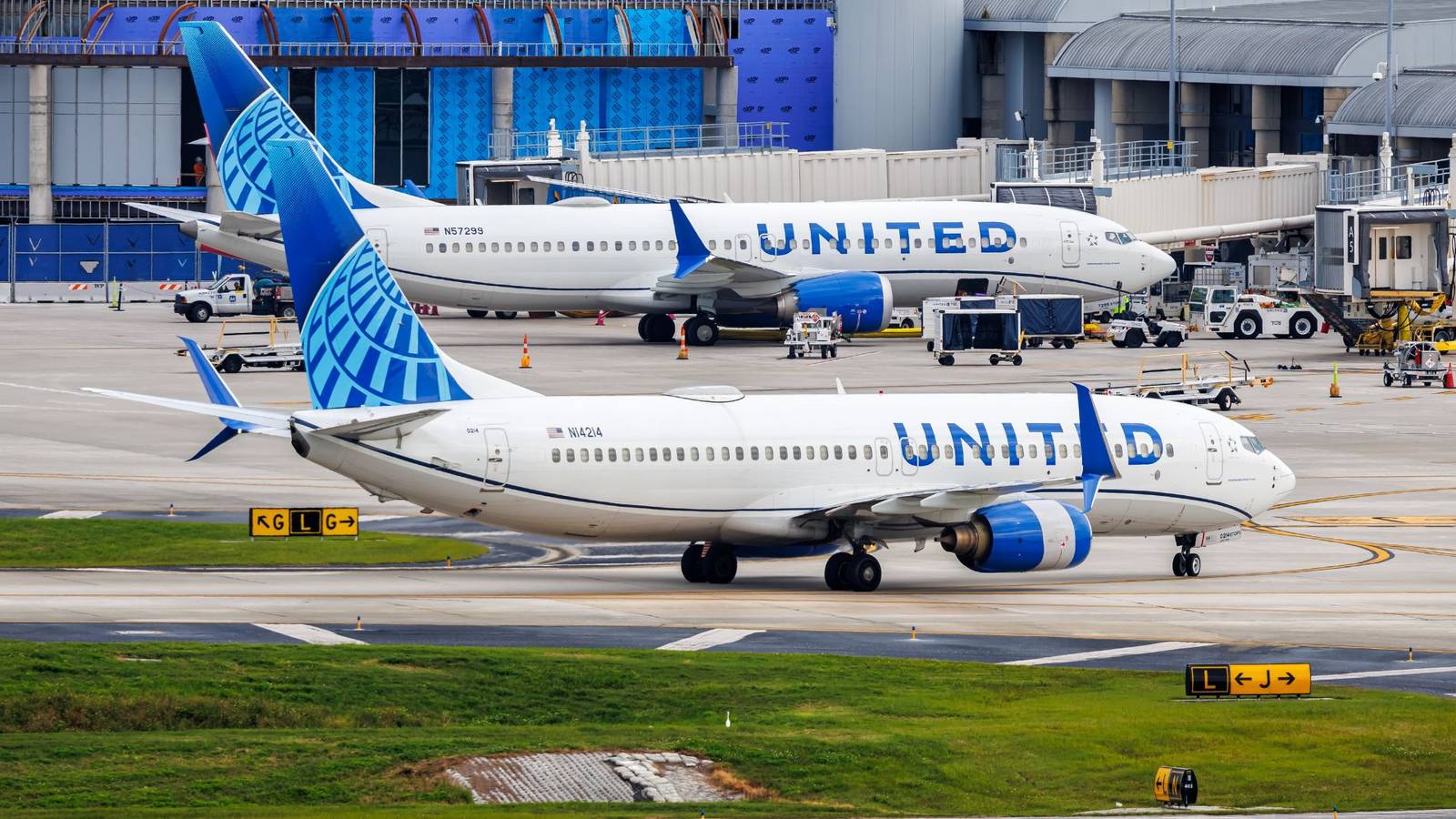
United Airlines has reportedly terminated several senior flight attendants following an internal investigation into allegations that they profited by trading desirable flight assignments with junior colleagues. According to One Mile at a Time, the veteran cabin crew members allegedly accepted payments in exchange for pairings that they secured through the airline’s seniority-based bidding system. While trip trading itself is a standard practice across the industry, monetizing those exchanges is prohibited under United’s policies.
The reported dismissals have drawn attention because they involve some of the airline’s most sought-after international schedules, which often offer higher trip credits and extended overseas layovers. The case also comes at a time when United continues expanding its global network and shortly after its flight attendants ratified a landmark new labor agreement, putting renewed focus on how crew scheduling systems are managed.
Why United Fired Senior Flight Attendants Over Trip Trading
Several experienced United flight attendants allegedly used their seniority to secure highly desirable flight assignments before exchanging them with more junior colleagues in return for payment. Since monthly schedules are awarded primarily through a seniority-based bidding system, veteran crew members have greater access to premium international pairings that are often unavailable to newer employees. While United permits crew members to trade trips through its approved scheduling systems, its Inflight Policies and Procedures Manual explicitly prohibits employees from receiving compensation for doing so, warning that violations may result in disciplinary action, including termination.
Those premium assignments have become increasingly valuable as United has expanded its global network. The airline now serves more international destinations than any other US carrier and operates more than 800 international departures on peak travel days. Many long-haul pairings generate higher trip credits than domestic flying while also offering multi-day layovers in destinations across Europe, Asia, and the South Pacific. Against that backdrop, the Association of Flight Attendants (AFA) acknowledged the investigation in a memo to members.
“We demand a proper investigation, we demand a proper notice of this new reality, we demand a decision be made on fact and not suspicion, and we demand progressive discipline be adhered to when and ONLY IF wrongdoing is truly established.”
How Flight Attendant Trip Trading Works At Major US Airlines
Trip trading forms an important part of airline crew scheduling, allowing flight attendants to exchange assignments after monthly rosters have been published. Airlines use electronic scheduling platforms that verify legal duty limits, required rest periods, and staffing requirements before approving a trade. These systems give employees greater flexibility while ensuring flights remain safely crewed.
International schedules are often significantly more valuable than short domestic trips. While many domestic pairings are completed within one or two days, overseas rotations frequently last three to six days, allowing cabin crew to accumulate more credited flying hours while enjoying longer layovers abroad. That combination naturally makes international trips particularly desirable among more senior employees.
United and AFA have repeatedly reminded employees that while schedule flexibility is encouraged, using the system for financial gain is not. Previous arbitration decisions involving practices such as “trip parking” have reinforced that manipulating schedules for personal profit violates both company policy and collectively negotiated work rules.
United flight attendants could soon become the highest-paid in the industry.
What The Investigation Means For United’s Cabin Crew
The reported dismissals come only months after United’s flight attendants approved a new labor agreement covering more than 28,000 cabin crew members. The contract delivered average pay increases of approximately 31%, together with retroactive pay, scheduling improvements and enhanced quality-of-life provisions following several years of negotiations. However, the agreement did not alter the airline’s prohibition on profiting from schedule trades.
Reliable crew scheduling has become increasingly important as United continues to grow. During peak periods, the airline operates more than 4,500 flights every day, requiring thousands of pilots and flight attendants to be assigned while complying with FAA flight and duty time regulations. Maintaining confidence in those scheduling systems is therefore critical to both operational reliability and fairness among employees.
Although the exact number of flight attendants affected has not been officially confirmed, the reported investigation highlights the importance airlines place on preserving the integrity of crew scheduling. As United continues investing in new international routes and expanding long-haul flying, premium international pairings are likely to remain highly competitive, making enforcement of scheduling policies an increasingly important part of day-to-day operations.
Orijinal Haberi Görüntüle