


Aerospace giant Boeing has announced that Mexico will need around 800 new commercial aircraft over the next two decades. This projection accounts for one-third of total new aircraft deliveries in Latin America, placing Mexico at the centre of regional growth.
Mexico on the Path to Becoming Latin America’s Aviation Hub
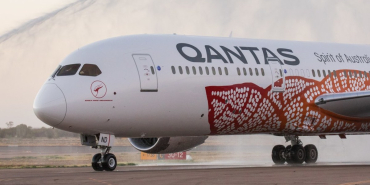
Rising domestic and international air traffic, along with fleet renewal plans by Mexican and foreign airlines, is driving demand. The 737 and 787 models stand out in particular, thanks to their flexibility in short-, medium-, and long-haul operations.
Boeing’s Challenges and Search for Solutions
The company acknowledges delays in deliveries due to supply chain issues. While aircraft used to be delivered within three to four years, the timeframe has now stretched to as long as seven years.
737 production: to be increased from 38 to 42 aircraft per month.
787 production: has risen from 5 to 7 aircraft per month, expected to reach 10 within two years.
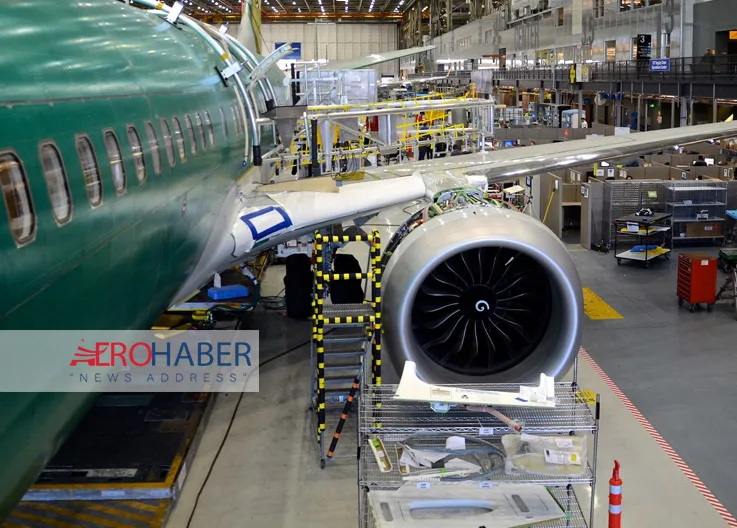
Rather than opening new factories, Boeing is boosting capacity at its existing facilities in the United States. In the short term, it is also offering alternative solutions such as second-hand aircraft, leasing agreements, and converting passenger jets into freighters.
Mexico’s Role in the Production Ecosystem
Mexico is a strategic partner within Boeing’s production network. Local suppliers contribute over USD 1 billion annually. Boeing emphasises that Mexico’s importance in the global supply chain will continue to grow, highlighting the need for higher quality standards.
A Critical Message for the Industry
Boeing’s forecast not only underscores the rapid growth of Mexico’s aviation sector but also reveals the pressure on global manufacturers to keep up with rising demand while maintaining safety, quality, and efficiency.