
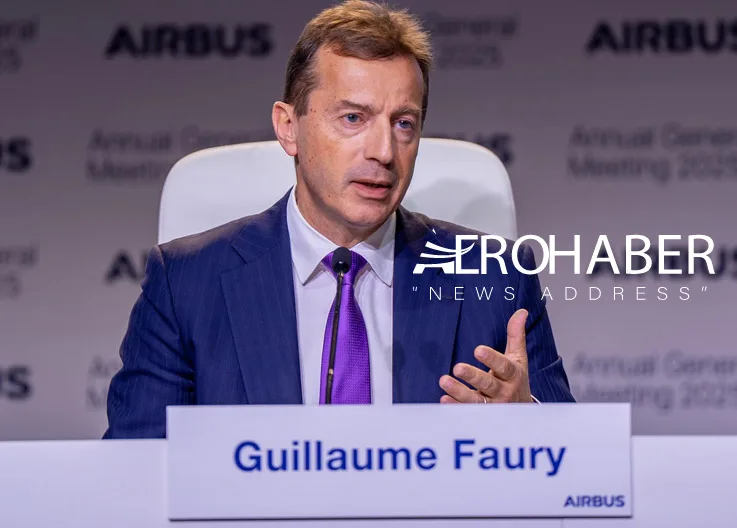


Airbus CEO Guillaume Faury has issued a public apology to airlines and millions of passengers after flight operations around the world were disrupted due to a technical fault identified in A320 family aircraft. Faury emphasised that the delays and disruptions have created serious logistical challenges but stressed that safety is always the top priority.
In a statement on X, formerly known as Twitter, Faury said, “The repairs required on some A320 aircraft are causing significant logistical challenges and delays.” The CEO added, “I sincerely apologise to our affected airline customers and passengers. However, as millions of people do every day, nothing is more important than safety when flying on Airbus aircraft.”
Faury noted that Airbus engineering and operations teams are working around the clock to ensure the updates are implemented quickly and that the aircraft can safely return to service.
Why Did Airbus Request an Urgent Repair for A320 Aircraft?
In a technical statement released on Friday, Airbus said an analysis of the latest incident involving an A320 family aircraft revealed that intense solar radiation could corrupt data critical to the aircraft’s flight control systems.
The company warned operators by stating, “A significant number of A320 family aircraft currently in service and at risk of being affected have been identified.” It also noted that the process would lead to operational disruptions for passengers and airlines.
The European Union Aviation Safety Agency (EASA), in line with Airbus’s request, announced that operators are required to install a functioning Elevator Aileron Computer (ELAC) in the affected aircraft. The ELAC system plays a critical role in managing the aircraft’s flight control surfaces.
Rapid Progress in India: Updates Completed on Most of the 338 Aircraft
India-based IndiGo, Air India, and Air India Express began implementing the software upgrade on Saturday to address potential flight control issues in the A320 family. Updates have been completed on most of the 338 aircraft, though the process has caused delays to hundreds of flights.
Airport sources reported that flight cancellations were avoided, but due to heavy workload, many flights experienced delays of 60 to 90 minutes.