


Earlier this year, Air Canada revealed a surprising new addition to the carrier’s network: Tenerife South Airport (TFS). Located in Spain’s Canary Islands, TFS is not far from the coast of Africa. The Star Alliance member will launch not one but two routes to the destination this winter.
The original plan was for Air Canada to fly weekly from Montréal–Trudeau International Airport (YUL) to TFS. This was to be the airline’s least-served European market during the winter. But no more, as the frequency has jumped to twice-weekly, but only for part of the first season.
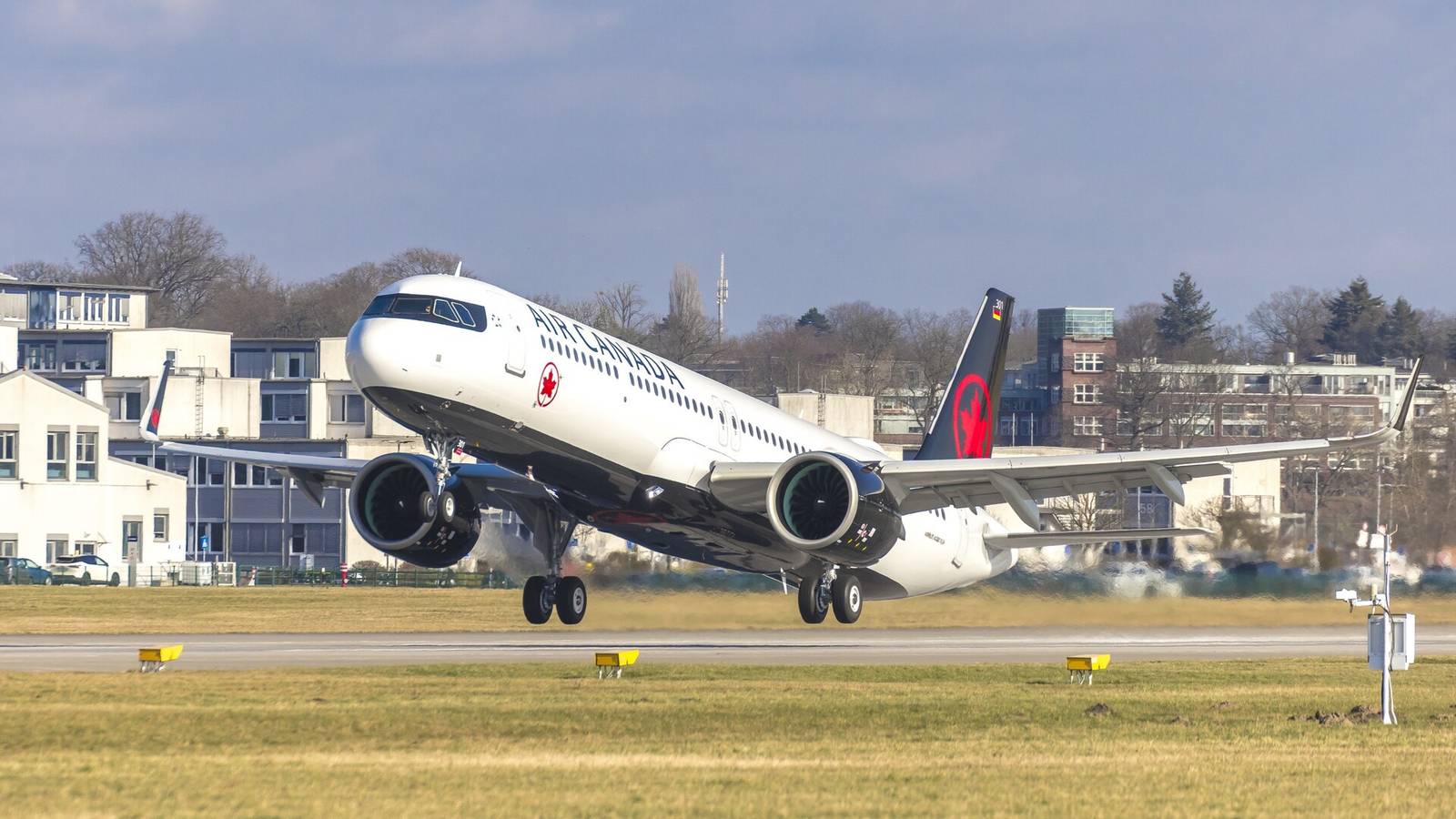
Northern Hemisphere carriers will switch to winter schedules on October 25, based on IATA slot seasons. On October 31, Air Canada will launch a route that has never had nonstop flights. Financial incentives and other risk-sharing agreements helped to convince Air Canada to launch service from YUL to TFS, which will be flown by the 182-seat Airbus A321XLR. It is bound to make the weekly celebratory new routes article (see the latest edition).
As identified by Aeroroutes, which reflects the recent schedule update to Cirium Diio, OAG, and so on, Air Canada now plans up to a twice-weekly service on this airport pair. A Saturday-only operation from Canada will exist through January 23, 2027. Thereafter, Saturdays and Tuesdays will have departures until March 23, before the Saturday-only service returns and runs until April 24. The new schedule is shown below.
Clearly, Air Canada is happy with the forward bookings on this route. What is unknown is whether this mainly comes from the local market (those only flying between YUL and TFS) or those connecting across Canada, the US, and so on, via YUL. In 2025, fewer than 1,000 local passengers flew between YUL and TFS.
On October 25, Air Canada will launch the first-ever service from the airline’s busiest hub of Toronto Pearson International Airport (YYZ) to TFS. A twice-weekly XLR operation will exist, which will operate through the winter and into early spring. The final departure from Canada’s busiest airport is set for April 29. At 3,135 nautical miles (5,806 km) each way, it will become the Canary Islands’ new longest nonstop route.
Twice as many passengers flew between YYZ and TFS as did so from YUL. But the volume was still tiny. Of course, Air Canada’s brand-new nonstop flights will grow traffic nicely. Stimulating demand is critical for all new markets. Nonetheless, the airline will still rely on connecting passengers, particularly those bound to/from the US. New York is the largest market between North America and TFS. United Airlines previously flew between Newark and the very popular Canary Islands destination.
They involve multiple Canadian airports, but especially one in particular. See all the cut routes here!
Until 2026, Canada did not have any flights or routes to the Canary Islands. However, the market will have four routes in 2026. It remains to be seen if they are all sustainable, even with the inevitable support.
In addition to Air Canada’s two airport pairs, Canadian leisure operator Air Transat will take off from YYZ and YUL to the island of Gran Canaria. The link from YUL will begin on December 12, followed by YYZ the next day. As is often the case, the announcement followed years of hard work behind the scenes.
Both links to Gran Canaria will be served weekly during the northern winter using the 199-seat Airbus A321LR. The existing markets were tiny, but the traffic will grow. Promotional activity, perhaps in collaboration with the Canary Islands tourist authority, will help. The airline will also capture passengers flying elsewhere via YUL and YYZ in partnership with Porter Airlines.
YUL to Gran Canaria: 7:45 PM-7:35 AM+1 (6 hours and 50 minutes)
Gran Canaria to YUL: 9:05 AM-12:15 PM (8 hours and 10 minutes)
YYZ to Gran Canaria: 7:20 PM-7:40 AM+1 (7 hours and 20 minutes)
Gran Canaria to YYZ: 9:10 PM-1:15 PM (9 hours and 5 minutes!)
Orijinal Haberi Görüntüle