


Flying Car Crash in China: Safety Concerns Escalate in the eVTOL Industry
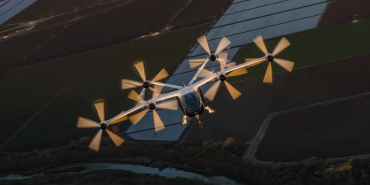
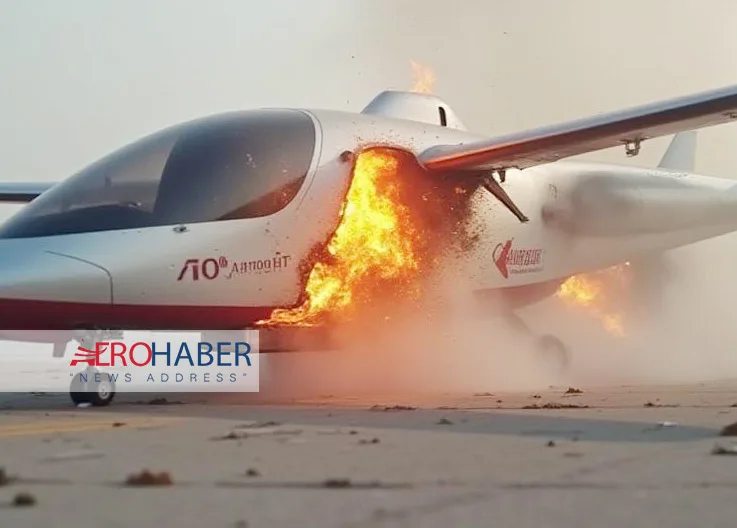
During a rehearsal for an air show in Changchun, China, two flying cars collided mid-air, reigniting debates over safety in the field of urban air mobility (UAM).
The incident occurred on 16 September when two flying cars manufactured by XPeng AeroHT collided in the sky. One of the vehicles caught fire after landing. A pilot was injured in the crash, while the crowd panicked in response to the incident.
A Blow to China’s eVTOL Vision
XPeng AeroHT, a subsidiary of Chinese electric vehicle maker XPeng, had recently obtained a special flight permit in the United Arab Emirates for its X3-F flying car model. Following the accident, questions have been raised about safety standards in China’s rapidly growing eVTOL and flying car market.
Experts highlight that such accidents point to serious challenges, particularly in navigation systems, air traffic management, and vehicle reliability.
Risks in Urban Air Mobility
Urban air mobility (UAM) is described as a technology expected to revolutionise intra-city transport. However, this accident shows that the sector is still immature and faces real-world operational risks.
For flying vehicles to become widespread, not only technological advancements but also alignment among regulatory bodies, safety protocols, and air traffic integration are seen as essential.