
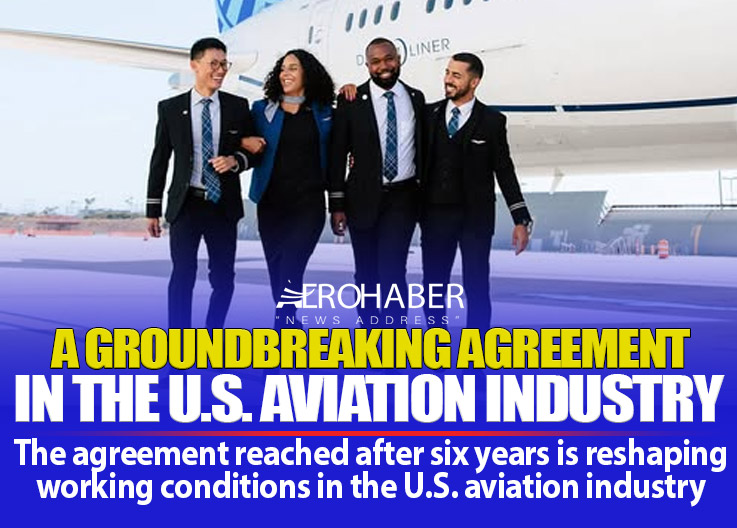


United Airlines flight attendants have approved a historic collective bargaining agreement that includes payment for boarding time. The new deal brings salary increases, additional benefits, and major changes to working conditions.
Approximately 30,000 flight attendants working for United Airlines have approved a new collective bargaining agreement that ends the long-debated era of “unpaid work during boarding.” The five-year agreement goes beyond salary increases and introduces significant changes covering everything from working conditions to social benefits for cabin crews.
Under the agreement approved on Tuesday, cabin crews will now begin receiving payment for boarding duties carried out before the aircraft departs from the gate. This practice, long considered standard in the U.S. aviation industry, had become one of the strongest points of struggle for flight attendants.
31% salary increase and millions of dollars in retroactive payments
According to the flight attendants’ union, the Association of Flight Attendants, the agreement includes an average salary increase of 31% starting this summer. The introduction of boarding pay will also provide employees with an additional average income increase of between 7% and 8%.
The agreement also includes a total of $741 million in retroactive payments to employees. This amount is regarded as a critical gain for cabin crews who experienced loss of income due to rising living costs in the post-pandemic period.
Ken Diaz, president of the union’s United branch, stated that the agreement would provide direct economic relief, particularly for thousands of employees hired after the pandemic. Diaz said the contract was the result of union solidarity.
Not only salaries, but working conditions are also changing
The new agreement also includes important regulations addressing exhausting practices experienced by cabin crews during daily operations.
Under the agreement:
- Additional pay will be provided for delays exceeding 2.5 hours
- Restrictions will be applied to overnight flights
- Retirement contribution rates will be increased
- Ten weeks of paid parental leave will be granted
- The 24-hour “on-call standby” system will be eliminated
- Job security provisions will be expanded
Boarding pay is spreading across the industry
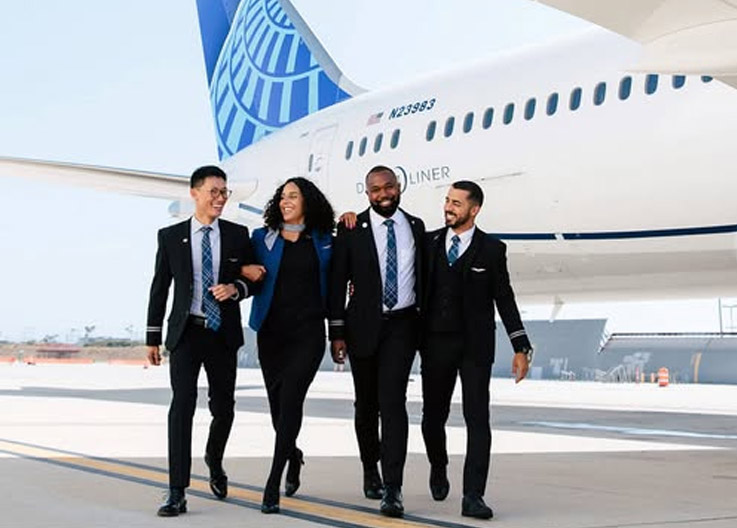
For years, flight attendants at many U.S. airlines were paid only for the flight time after the aircraft doors were closed. However, during the boarding process, cabin crews carried out intensive operational duties such as assisting passengers with seating, organizing carry-on baggage, completing safety checks, and preparing the cabin for departure.
The turning point in the industry came in 2022. Delta Air Lines became the first U.S. carrier to introduce boarding pay. American Airlines and Alaska Airlines later implemented similar systems.
The new agreement signed by United is considered significant enough to transform boarding pay from a fringe benefit into an industry standard.
Air Canada strike accelerated the process
The issue of flight attendants’ labour during boarding also caused a major crisis in Canada last year. Air Canada flight attendants organized a strike in August involving approximately 10,000 employees. More than 3,100 flights were cancelled due to the strike, seriously disrupting company operations.
A few days later, the parties reached an agreement that also included boarding pay. These consecutive agreements across the aviation industry are now officially recognising the concept of “work that begins before the flight itself” within wage systems.
United management: “An industry-leading contract”
Scott Kirby and union executives stated that the agreement set a new benchmark in the U.S. aviation industry. In a statement shared on LinkedIn, Kirby said that United has “the best flight attendants in the world” and that employees have now secured the industry-leading contract they deserve.
Sara Nelson, President of the Association of Flight Attendants, argued that the agreement is the strongest flight attendant contract in the industry in terms of overall economic value.