


Wi-Fi, seatback screens, and charging systems malfunctioned on United Airlines’ Tokyo–Washington flight. Passengers traveled for 13 hours without modern technology services.
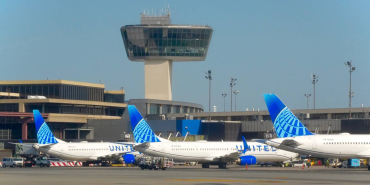
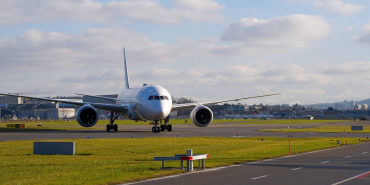
U.S.-based United Airlines gave passengers an experience far outside the usual standards of modern aviation during a long-haul flight from Tokyo to Washington. On the airline’s UA-804 Boeing 777-200 service operated on May 18, the seatback entertainment system, onboard Wi-Fi, and in-seat power systems were completely out of service.
During the nearly 13-hour flight from Tokyo Haneda to Washington Dulles, passengers were reportedly unable to charge their electronic devices or use the inflight entertainment systems.
Technical Issue Could Not Be Resolved in Tokyo
The 27-year-old Boeing 777-200 aircraft at the center of the incident reportedly experienced a technical malfunction before departure, but the issue could not be fixed by technical teams in Japan. Despite this, the airline decided to continue operating the flight rather than cancel it.
A passenger on board shared the following on the social media platform Reddit:
“They just made an announcement – no IFE, no Wi-Fi, and no in-seat power.”
The passenger later added:
“13 hours are really going to fly by once all my devices die.”
MEL System Came Into Effect
In the aviation industry, technical malfunctions are generally divided into two main categories. The first includes systems that must function for the aircraft to operate safely, while the second covers operational comfort features.
According to experts, inflight entertainment systems (IFE), Wi-Fi, and in-seat power infrastructure are generally not classified as critical flight safety equipment under the “MEL” (Minimum Equipment List). Therefore, airlines can continue operating flights under certain conditions even when these systems are not functioning.
Passengers Faced Difficult Conditions During the Long-Haul Flight
On ultra-long-haul Pacific flights, personal entertainment screens, internet access, and charging facilities are now considered standard services. The complete loss of these systems created a significant comfort issue, especially for passengers traveling long distances.
Experts note that when technical problems occur at outstations, airlines often prefer to return the aircraft to their primary maintenance bases. Malfunctions involving integrated cabin systems can be particularly difficult for overseas technical teams to resolve quickly.
Became a Trending Topic on Social Media
Following the incident, social media users described the experience as a “1990s flight.” Passengers accustomed to internet access and personal entertainment screens on long-haul flights widely discussed the incident across aviation forums.
Some users said they had to rely on their own “survival kits” during the flight, while industry experts advised passengers to carry backup entertainment content, power banks, and personal equipment on long-haul journeys.
United Airlines Had Been Investing Heavily in Premium Passenger Experience
The technical disruption drew attention because it contrasted sharply with United Airlines’ recent investments in premium passenger experience. The airline has been pursuing a growth strategy in the premium segment with next-generation cabin products, high-speed internet services, and a modernized widebody fleet.
However, experts emphasize that such technical issues are not unique to United Airlines and that similar situations occasionally occur across the global aviation industry.