
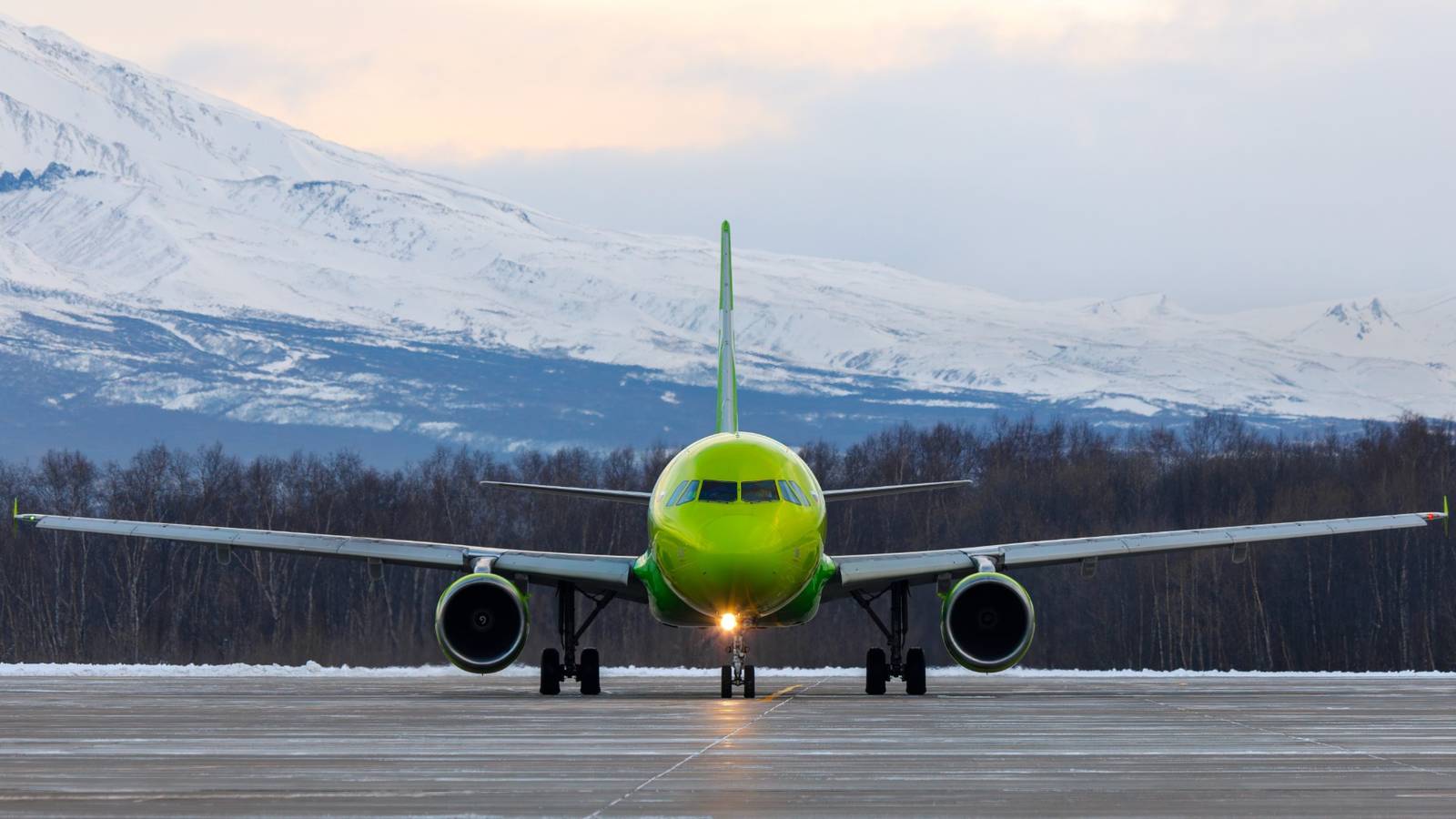


Russian airline S7 Airlines has introduced a temporary rule that prevents most first officers from performing landings at most of the carrier’s destinations following a series of hard-landing incidents. The restriction, which took effect on June 1 and is scheduled to remain in place until October 1, 2026, applies across much of the airline’s network and is intended to reduce operational disruptions caused by aircraft inspections and maintenance following heavy touchdowns.
The move has attracted attention because airlines typically encourage first officers to handle a significant share of takeoffs and landings to maintain proficiency and prepare for future captain upgrades. While temporary operational restrictions are not unheard of, banning first officers from landing at most airports is an unusual step for a major commercial carrier.
S7 Restricts First Officer Landings Following Hard Landing Events
According to reports from Russian aviation sources, such as Aviatorshina, a Telegram news channel that first issued the note, and Tourpressa, a major Russian tourism website, S7 Airlines implemented the restriction after several incidents in which aircraft exceeded acceptable vertical load limits during landing. Internal investigations are reportedly underway to determine the causes of those events and identify any common trends.
Under instructions issued by the airline’s Deputy General Director for Flight Operations, first officers may only perform landings at a limited number of S7’s base airports between June 1 and October 1, 2026. The approved airports include Moscow Domodedovo Airport (DME), Novosibirsk, Irkutsk (except Runway 12), and Vladivostok. At all other destinations across the carrier’s route network, the captain is required to perform the landing.
The airline reportedly stated that the measure is intended to ensure stable flight operations and reduce the risk of delays caused by additional maintenance inspections required after landings with elevated vertical loads.
Enhanced Monitoring And Pilot Performance Analysis
The temporary restriction does not apply to every situation. S7 has exempted certain training and qualification flights from the rule. First officers undergoing line training with instructors or completing aircraft qualification checks may still perform landings as part of the established training programs.
At the same time, the carrier has expanded its oversight of landing performance. Pilot instructors have reportedly been instructed to conduct regular reviews of flight data monitoring information to identify trends associated with higher landing loads. When concerning patterns are detected, a more detailed analysis of previous flights may be ordered.
The decision raises questions about how the restriction could affect pilot development. In most airlines, first officers routinely alternate flying duties with captains, allowing both pilots to maintain proficiency in all phases of flight. Limiting landing opportunities for several months could reduce hands-on experience, especially for less experienced pilots building toward command qualifications.
The policy also highlights the growing role of flight data monitoring systems. Modern airliners continuously record thousands of flight parameters, enabling airlines to identify trends long before they become safety issues. Rather than relying solely on incident reports, carriers can use objective performance data to evaluate training needs and operational risks.
Interestingly, this is not the first recent example of S7 introducing stricter cockpit procedures. Earlier reports from Russia, noted by another major Russian tourism portal, Tourdom, indicated that the airline had tightened rules governing the use of personal electronic devices by flight crews. According to these reports, pilots and cabin crew members faced increased restrictions on the use of mobile phones and other devices during flight operations as part of broader efforts to strengthen safety standards and procedural discipline.
The FAA is working to keep safety high and improve efficiency at SFO.
Sanctions Continue To Challenge Russian Aviation
The backdrop to S7’s decision is a Russian aviation industry still grappling with the effects of international sanctions imposed following the country’s invasion of Ukraine. Western manufacturers have largely suspended support services, spare parts supply chains have been disrupted, and Russian airlines have faced increasing challenges in maintaining aircraft fleets originally designed to operate with extensive international technical support.
These pressures have elevated the importance of minimizing aircraft downtime. A hard landing can trigger detailed inspections, potentially removing an aircraft from service while technicians assess structural components and landing gear systems. When spare parts availability remains constrained, avoiding unnecessary maintenance events has become very important for Russian carriers.
Russian airlines have also adopted a variety of operational measures to extend fleet life and preserve reliability, similar to those in Iran, another country whose aviation industry has faced sanctions since 1979. Industry experts have noted increased emphasis on predictive maintenance, domestic repair capabilities, and tighter operational controls as carriers seek to maximize aircraft availability despite ongoing restrictions.
While S7 has described the landing restrictions as temporary, the measure demonstrates the difficult balance airlines face between maintaining pilot proficiency and protecting operational reliability. Whether the new policy successfully reduces hard-landing incidents without adversely affecting pilot training remains to be seen. However, it might provide another example of how Russian carriers are adapting their procedures as they navigate a uniquely challenging operating environment.
Orijinal Haberi Görüntüle