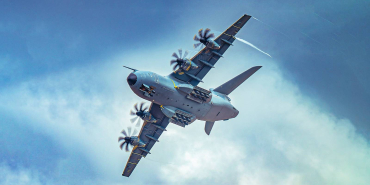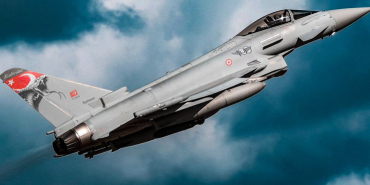



Following the terrorist attack on the Turkish Aerospace Industries (TUSAŞ) facilities in Ankara’s Kahramankazan district, the Radio and Television Supreme Council (RTÜK) announced a media broadcast ban. The attack, which involved three explosions and gunfire, prompted the deployment of security forces to the scene and the evacuation of personnel to shelters.
Statement from Interior Minister Yerlikaya
Interior Minister Ali Yerlikaya confirmed that the attack was a terrorist act and reported casualties. TUSAŞ plays a crucial role in Turkey’s domestic and national defense projects, and investigations into the background of the attack are ongoing.
Warnings and Rationale from RTÜK Chairman
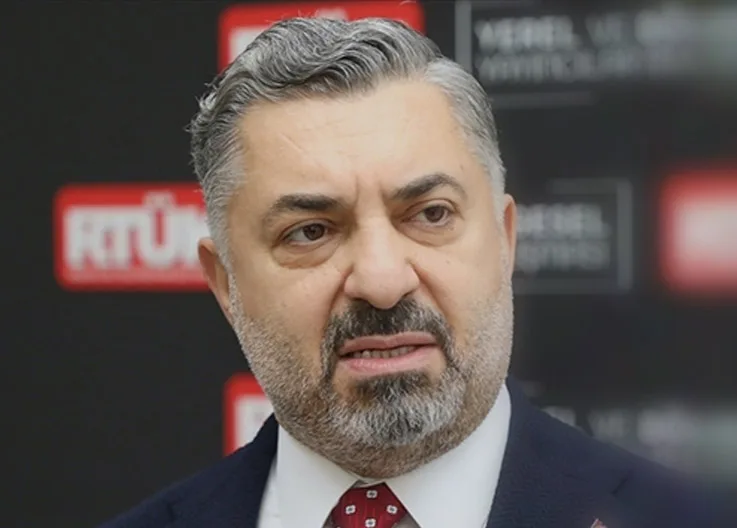
RTÜK Chairman Ebubekir Şahin, in a statement on the social media platform X, emphasized the media’s responsibility in such situations. “The media has a clear responsibility during terrorist incidents. It is crucial that sensational, unverified information that could incite panic or unrest among the public is not broadcast,” Şahin said.
He warned broadcasters not to share information from unofficial sources, stressing that those who fail to comply will face “necessary sanctions.”
Severe Penalties for Violating the Broadcast Ban
In a follow-up statement, Şahin mentioned that a court-ordered broadcast ban was imposed following the attack. “This ban, particularly aimed at preventing unverified information from circulating on social media, was implemented in response to the terrorist attack on our pride, the TUSAŞ facilities,” he added.
RTÜK warned that severe penalties would be imposed on broadcasters who violate the ban, emphasizing that only official statements from authorities should be reported in the media.
© AeroHaber.com
Aviation News and Defense Industry news published on our website cannot be used without proper attribution.
Note: You can read all aviation news published on our English site in Turkish at www.airportgundem.com