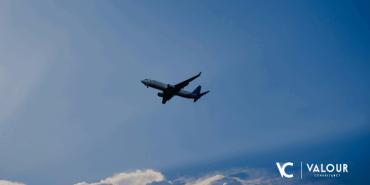



Several passengers on a Delta Air Lines flight from Kahului to Seattle had to be rushed to the hospital on Saturday night after the cabin suddenly filled with what has been described as ‘fumes’ just minutes after the Airbus A321neo aircraft had taken off.
Passengers complained of experiencing headaches and nausea as the pilots of the three-and-a-half-year-old airplane entered a holding pattern before declaring an emergency and diverting to Honolulu, where first responders were waiting to meet the aircraft.
Delta flight DL-394 departed Kahului at around 9:30 pm on September 19 for what should have been a routine five and a half hour flight to Seattle. Instead, the aircraft only reached a maximum altitude of 4,925 feet before the pilots discontinued the climb and started to troubleshoot the issue.
Eyewitnesses claim a haze of fumes filled parts of the cabin shortly after takeoff, leading to passengers reporting that they felt sick. Four passengers had to be transported to the hospital, including three women aged 27, 31, and 42.
One flight attendant was also seen by medical personnel, but their condition remains unknown at this time
The source of the fumes is yet to be established, although a common cause is engine oil that has been vaporized and sucked into the plane’s air-conditioning system. After safely landing in Honolulu, however, several witnesses claim they saw fuel or oil leaking from the engine of the aircraft.
Like most other commercial aircraft, the Airbus A321 feeds air into the cabin’s air-conditioning via a so-called ‘bleed air’ system. That means that a small amount of the air that is being sucked into the engines is bled off to supply air to the cabin.
Sometimes, when engine oil leaks, the extreme heat of the engine causes it to vaporize and get mixed with the bleed air.
In most cases, the effects of what the airline industry prefers to describe as an ‘odor event’ are short-lived and pass without any long-term effects. However, there are a growing number of lawsuits alleging that these odor events have caused chronic and debilitating health conditions that have had a profound impact on the lives of victims.
One of those cases is being brought by Tamar Ferrel, an American Airlines flight attendant based in Phoenix, who claims to have suffered permanent neurological and psychological injuries after an alarming incident on January 14, 2024.
Tamar was standing in the aisle of an Airbus A319 narrowbody airplane, welcoming passengers as they boarded at Phoenix Sky Harbor Airport, when the Captain switched on the Auxiliary Power Unit (APU).
According to Tamar’s lawsuit, within seconds of the APU being turned on, the smell of dirty socks permeated the cabin. She quickly moved to the back of the aircraft, where she found her coworker coughing and gagging from the smell.
Tamar called the Captain, who ordered an evacuation of the plane. During this time, Tamar began to cough and suffer from a mental fog and a severe headache. To this day, Tamar has not been able to return to work as a flight attendant. She still suffers from headaches daily, and whenever she attempts to return to her job, she suffers from panic attacks, symptomatic of post-traumatic stress disorder.
The Eastman Chemical Company has developed a new engine oil called Turbo Oil 2330 that is designed to have an ‘inoffensive’ odor profile – designed specifically to reduce the number of odor or fume events.
Aviation unions have demanded that Turbo Oil 2330 be banned, claiming that it will make fume events harder to detect while not removing the risk of passengers and crew members suffering the ill health effects of an incident.
Vaporized engine oil is characterized by an incredibly pungent smell that is often described as akin to ‘sweaty socks’ or a damp dog. The fumes can cause eye and throat irritation, headaches, and nausea.
Want to see more stories like this? Add PYOK as a preferred source on Google, and we'll show up more often in your searches and Google News.