
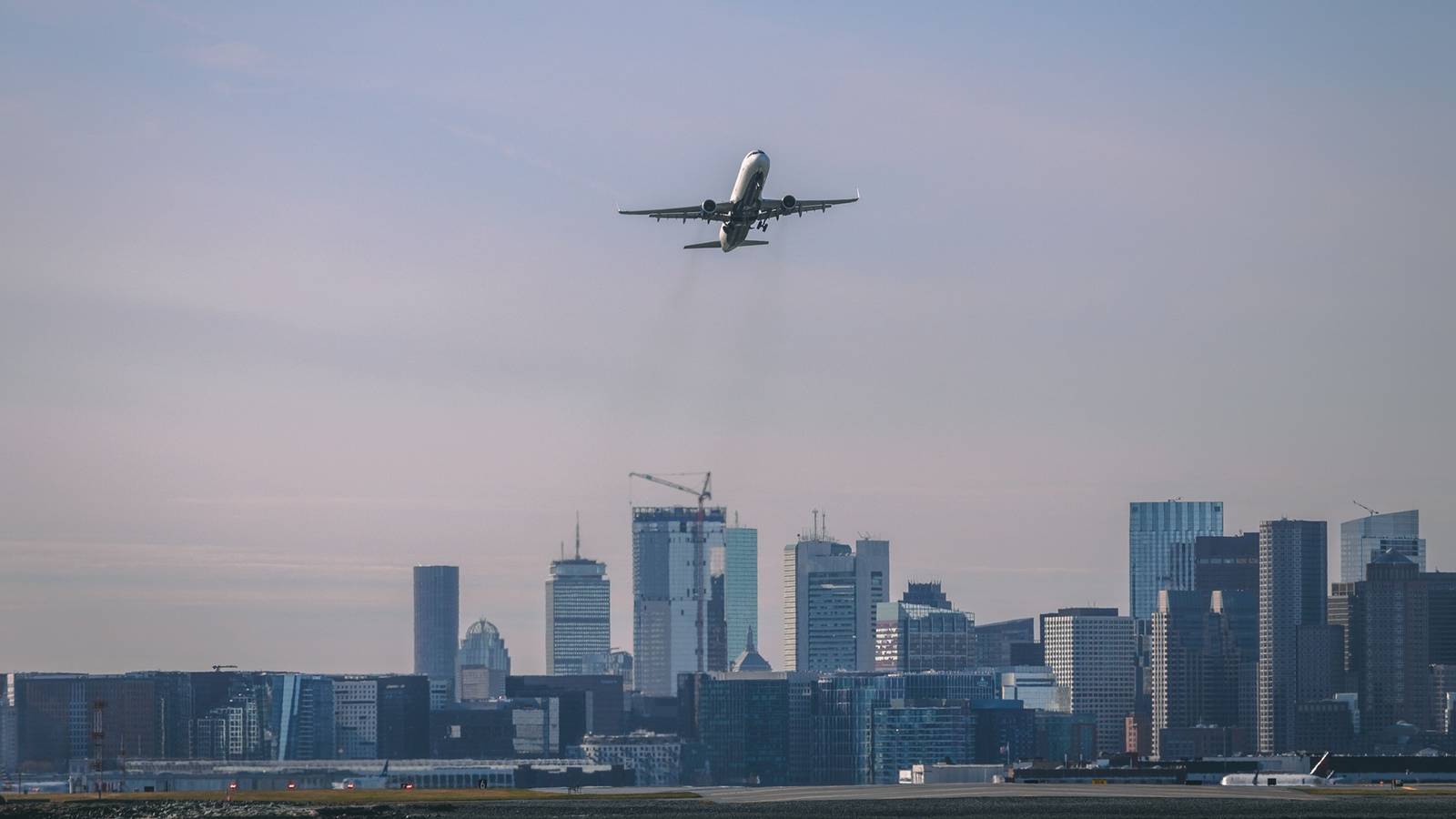


A major fueling system failure at Boston Logan International Airport(BOS) brought one of the nation’s busiest airports to a near standstill Sunday evening, triggering more than 370 flight delays and over 100 cancellations. The failure came on July 4 weekend, disrupting travel during one of the busiest periods of the summer. The incident prompted the Federal Aviation Administration to issue a ground stop, preventing departures as airport officials worked to restore access to jet fuel across the airfield.
The impacts of the ground stop rippled through airline networks across the United States, leaving aircraft stranded at gates, passengers waiting for hours, and inbound flights diverted or delayed. Flight tracking data showed the scale of the operational impact, while airport officials confirmed the issue was tied to Logan’s fueling infrastructure rather than an airline-specific problem.
According to the Massachusetts Port Authority (Massport), the disruption originated with Logan Airport’s centralized fueling system, which supplies jet fuel to aircraft parked at airport gates. The FAA responded by implementing a temporary ground stop as the problem prevented aircraft from being fueled for departure. BOSfuel Corporation, the consortium responsible for managing Logan’s jet fuel operations, had not publicly disclosed the precise cause of the malfunction as of Monday morning.
Aviation journalist David Slotnick shared an FAA advisory indicating the issue was effectively a case of “no fuel,” highlighting that departures could not proceed because aircraft were unable to access the airport’s fuel distribution network. While some aircraft were reportedly refueled manually after crews began recovery efforts, the interruption lasted long enough to significantly affect evening operations and create overnight disruptions for thousands of travelers.
Hundreds Of Flights Disrupted Across Multiple Airlines
The operational consequences quickly escalated. Social media updates tracking airport operations reported more than 370 delayed flights at Boston Logan, while FlightAware data later showed cancellations had climbed beyond 100 as airlines struggled to recover schedules after the prolonged ground stop. The figures continued to fluctuate as carriers rebooked passengers and repositioned aircraft, illustrating how a single infrastructure failure can cascade throughout the national air transportation system. The Fourth of July travel surge intensified the issue as airports across the country experienced an increased volume of passenger traffic.
Passengers described spending hours aboard aircraft waiting for updates before flights were ultimately canceled. Others faced lengthy lines at airline service counters as they attempted to secure new itineraries or overnight accommodations. Inbound aircraft also experienced delays and diversions because gates remained occupied by planes unable to depart, further compounding congestion throughout the airport.
Massport said the fueling issue was resolved late Sunday night, allowing the FAA ground stop to be lifted and flight operations to gradually resume. Even after departures restarted, however, airport officials warned travelers to expect lingering disruptions as airlines worked through displaced aircraft, crews, and passengers. By Monday morning, dozens of additional delays and cancellations remained on the board despite the underlying fuel system problem having been corrected.
The incident underscores how critical airport infrastructure is to airline operations. Unlike delays caused by weather or air traffic control restrictions, a failure involving a centralized fuel distribution system can immediately affect every airline operating at an airport. At a major hub such as Boston Logan, where aircraft operate on tightly coordinated schedules throughout the day, even a relatively short interruption can trigger network-wide disruptions that take many hours to unwind. Travelers scheduled to fly through Boston in the aftermath were advised to monitor their airline’s latest flight status before departing for the airport.
Orijinal Haberi Görüntüle