
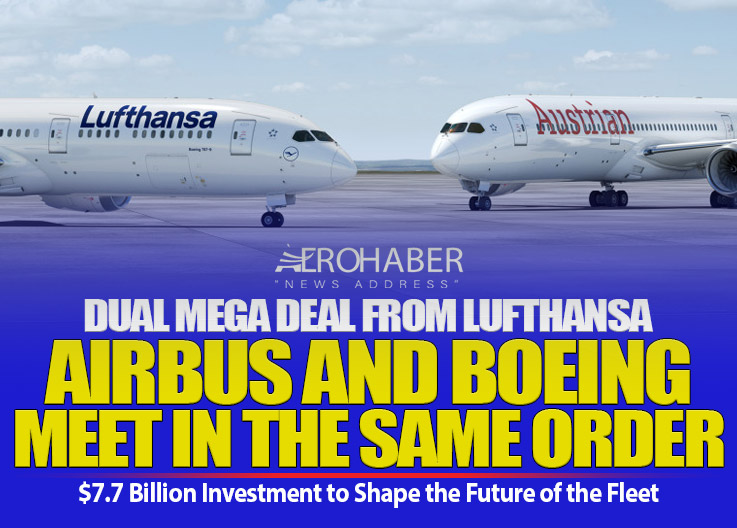


Lufthansa Group has placed an order for a total of 20 next-generation long-haul aircraft from Airbus and Boeing. The $7.7 billion investment will accelerate fleet modernization and sustainability goals.
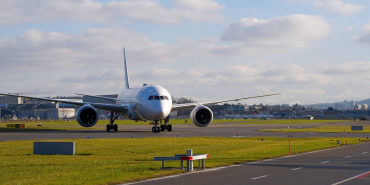
Germany-based aviation giant Lufthansa Group has signed a new long-haul aircraft agreement with both Airbus and Boeing as part of its fleet modernization programme. The group has officially approved an order for 20 new-generation wide-body aircraft with a total list price of approximately $7.7 billion.
Under the order:
- 10 Airbus A350-900
- 10 Boeing 787-9 Dreamliner
The new aircraft are scheduled for delivery between 2032 and 2034.
Lufthansa Emphasizes a “Cleaner and Quieter Fleet”
Carsten Spohr stated that the order decision is an important part of the company’s long-term sustainability strategy.
Spohr noted that the new-generation aircraft offer lower fuel consumption compared to previous models, operate more quietly, and produce lower carbon emissions. Lufthansa management believes that modern aircraft are one of the most effective tools for carbon reduction at a time when environmental pressure on the aviation industry is increasing.
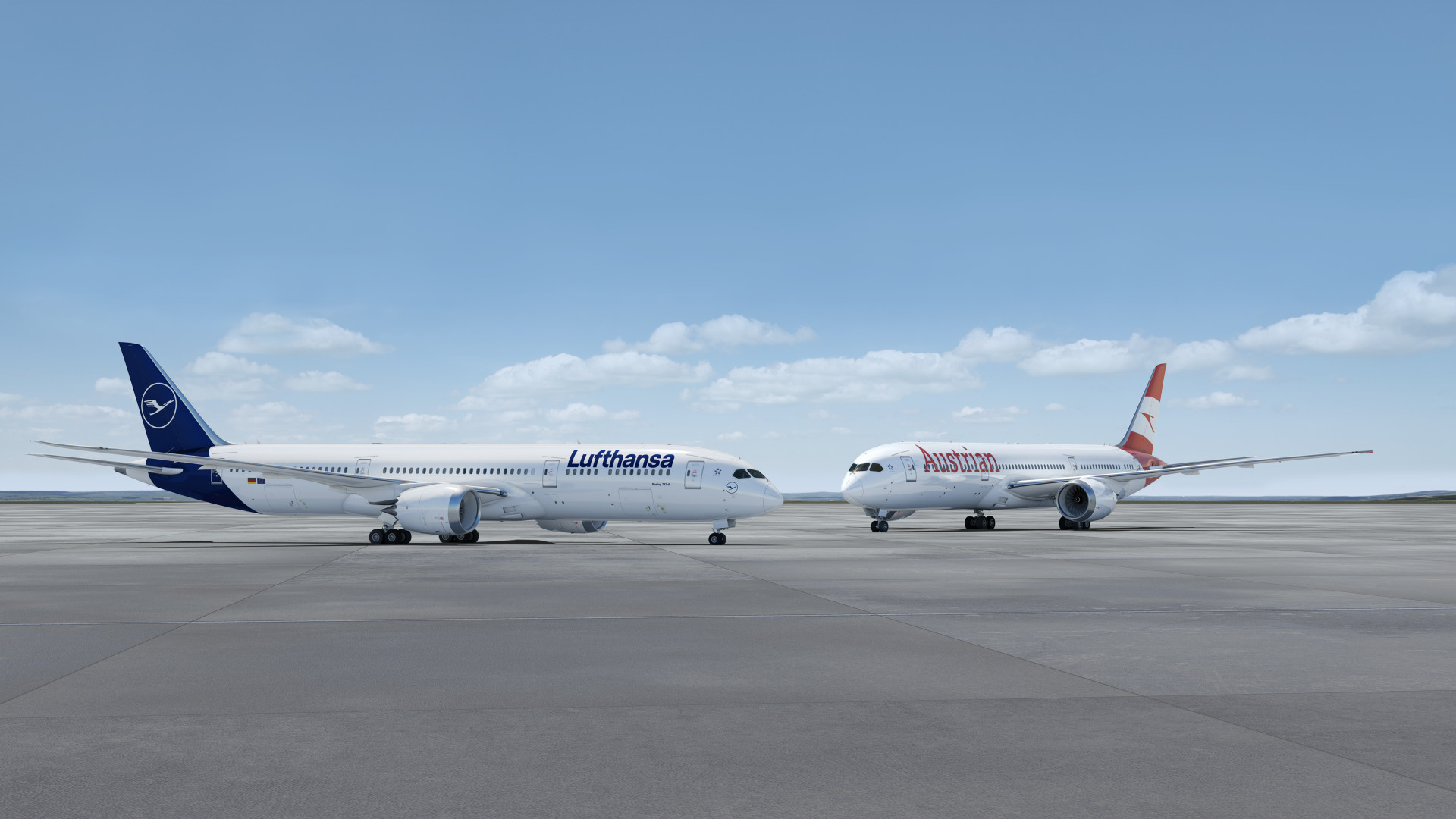
A350s and 787s to Replace an Aging Fleet
The Airbus A350-900 and Boeing 787-9 aircraft on order are planned to replace older and higher operating-cost aircraft within the Lufthansa Group fleet starting from 2032.
The company stated that a final decision on which group airline brands and hubs will operate the new aircraft will be made at a later stage.
The Lufthansa Group includes different operating entities such as SWISS International Air Lines, Austrian Airlines, Brussels Airlines, and Eurowings.
Goal Is Not Only New Aircraft: Less Complexity
One of the key priorities in Lufthansa’s new ordering strategy is fleet standardization.
By building a simpler fleet structure around specific aircraft families, the company aims to:
- increase operational flexibility
- reduce maintenance costs
- simplify spare parts management
- streamline crew licensing processes
Operating different aircraft types simultaneously can create significant operational complexity in the aviation industry. Lufthansa’s move is therefore seen as important, particularly in terms of long-term cost control.
Lufthansa’s Largest Modernization Programme Continues
With this latest order, Lufthansa Group’s total aircraft order backlog has reached 232 aircraft. Of these, 107 are next-generation long-haul models.
The company’s recent heavy investment in wide-body aircraft is linked to its strategy of strengthening its position in the international premium passenger market. Increasing competition on routes to North America, Asia, and the Middle East is pushing Lufthansa toward more efficient and higher-comfort aircraft.
At the same time, these orders reflect renewed confidence in long-haul passenger demand in the post-pandemic global aviation sector.
Balance Signal in Airbus–Boeing Competition
The fact that Lufthansa split the order between the two manufacturers was another notable point. The selection of both Airbus A350-900 and Boeing 787-9 is interpreted as part of a strategy to diversify supply chain risks and reduce dependency on a single manufacturer.
In recent years, delivery delays, engine issues, and production bottlenecks have become increasingly common, leading major airline groups to adopt similar diversification strategies.