


Turkish Fuel Services Deputy General Manager Responsible for Supply and Operations, Uğur Uyan, stated that supply security, operational flexibility, and logistics infrastructure have become critical for the aviation sector in the global jet fuel market. The report highlights Istanbul Airport’s regional role and TFS’s capacity targets.
Increasing geopolitical risks, supply chain disruptions, and fluctuations in energy markets in the global aviation sector have transformed jet fuel operations into a strategic security issue for airlines. Turkish Fuel Services Deputy General Manager Responsible for Supply and Operations, Uğur Uyan, said in his assessment that it is no longer only about finding fuel, but also about managing that fuel uninterruptedly and flexibly.
Uyan’s statements shared via LinkedIn revealed that a new operational understanding is taking shape in the aviation sector, especially due to declining stock levels and logistical pressures in Europe.
Stock pressure in Europe is pushing the sector toward new alternatives
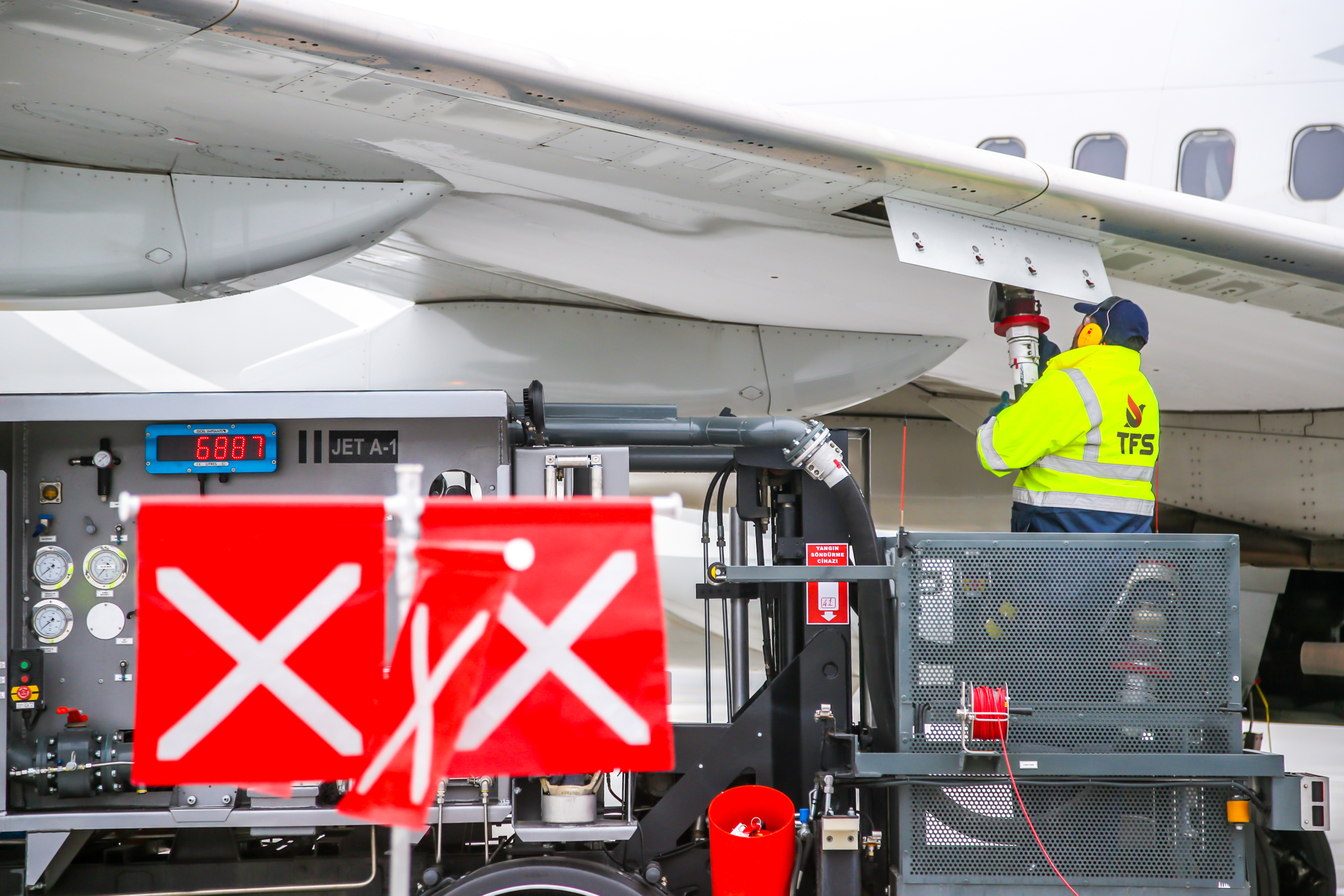
Recent vulnerabilities in Europe’s energy infrastructure have made jet fuel supply chains more sensitive. Fluctuations in refinery capacities, rising maritime transportation costs, and regional crises have started to direct airlines toward alternative supply hubs.
According to Uğur Uyan, the most critical factor in this process is the ability to manage a multi-source supply structure and operational flexibility within the same system. In modern aviation, storage capacity alone is no longer considered sufficient; the ability to maintain uninterrupted operations during crises is becoming the sector’s primary reflex.
Istanbul Airport is emerging as a regional hub in fuel operations
Pointing out that operations conducted through Istanbul Airport are positioning Türkiye at a more critical point on a regional scale, Uyan stated that Türkiye’s geostrategic advantage creates significant strength in energy logistics.
Located on a natural transit corridor between Europe, Asia, and the Middle East, Türkiye is said to offer remarkable capacity for global airlines seeking alternative hubs, particularly in jet fuel operations.
TFS infrastructure capacity is expanding
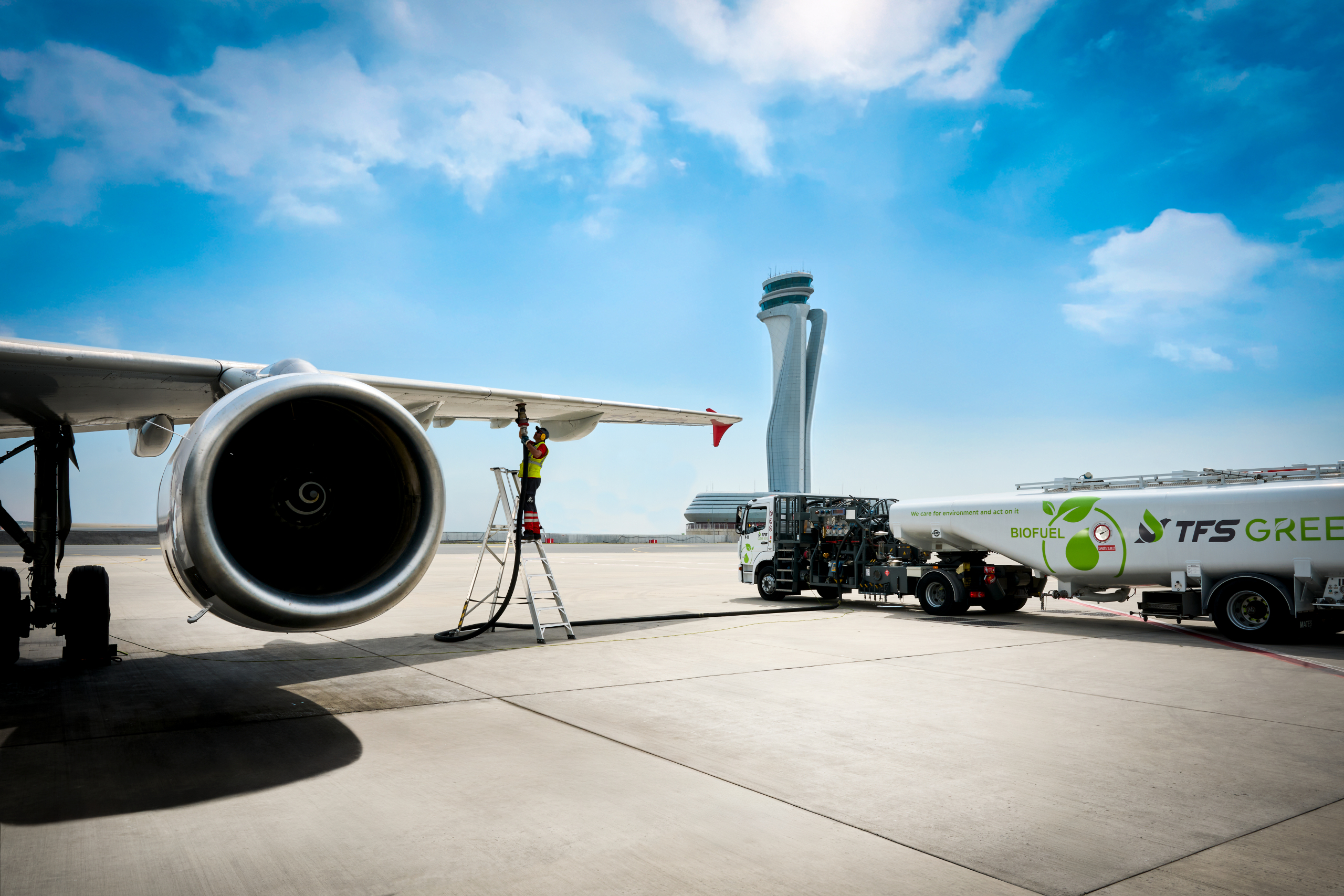
Data regarding TFS’s current operational structure also reveals the scale of the sector. The company operates with:
- 300,000 cubic meters of storage capacity
- A 105-kilometer underground pipeline system
- Operational support for an average of 1,500 aircraft daily
- A 2026 target of 4.5 million tons of fueling volume
- An integrated and high-volume operational model with approximately 130 annual vessel operations
“Systems capable of remaining operational during crises will stand out”
One of the strongest messages in Uğur Uyan’s statements was that the concept of resilience in the aviation sector is now beginning to outweigh technical capacity.
In his assessment, Uyan used the following expressions:
“Today, being strong in aviation is no longer measured solely by storage capacity. The ability to maintain uninterrupted operations under all conditions, the flexibility of the supply structure, and field coordination are becoming increasingly decisive.”

Competition in aviation is no longer taking place only in the skies
The rapidly growing air traffic in the post-pandemic period has once again brought the issue of energy security to the center of the sector. Due to wars, tensions in trade corridors, and rising energy costs, aviation companies are no longer competing solely through fleet size.
Systems capable of managing fuel at the right time, at the right location, and without interruption are becoming one of the invisible yet most critical power factors in global aviation.
Türkiye’s new role within this equation indicates that Istanbul-centered operations will continue to expand further in the coming years.