
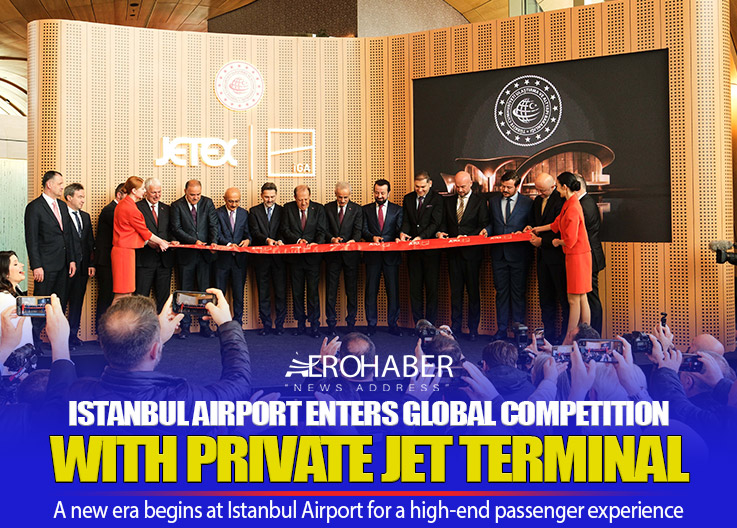


The General Aviation Terminal, opened through the partnership of IGA Istanbul Airport and JETEX, aims to position Istanbul as a global hub in private aviation. The impact of the new investment on the sector and its details are in the news.
A new era begins at Istanbul Airport for a high-end passenger experience
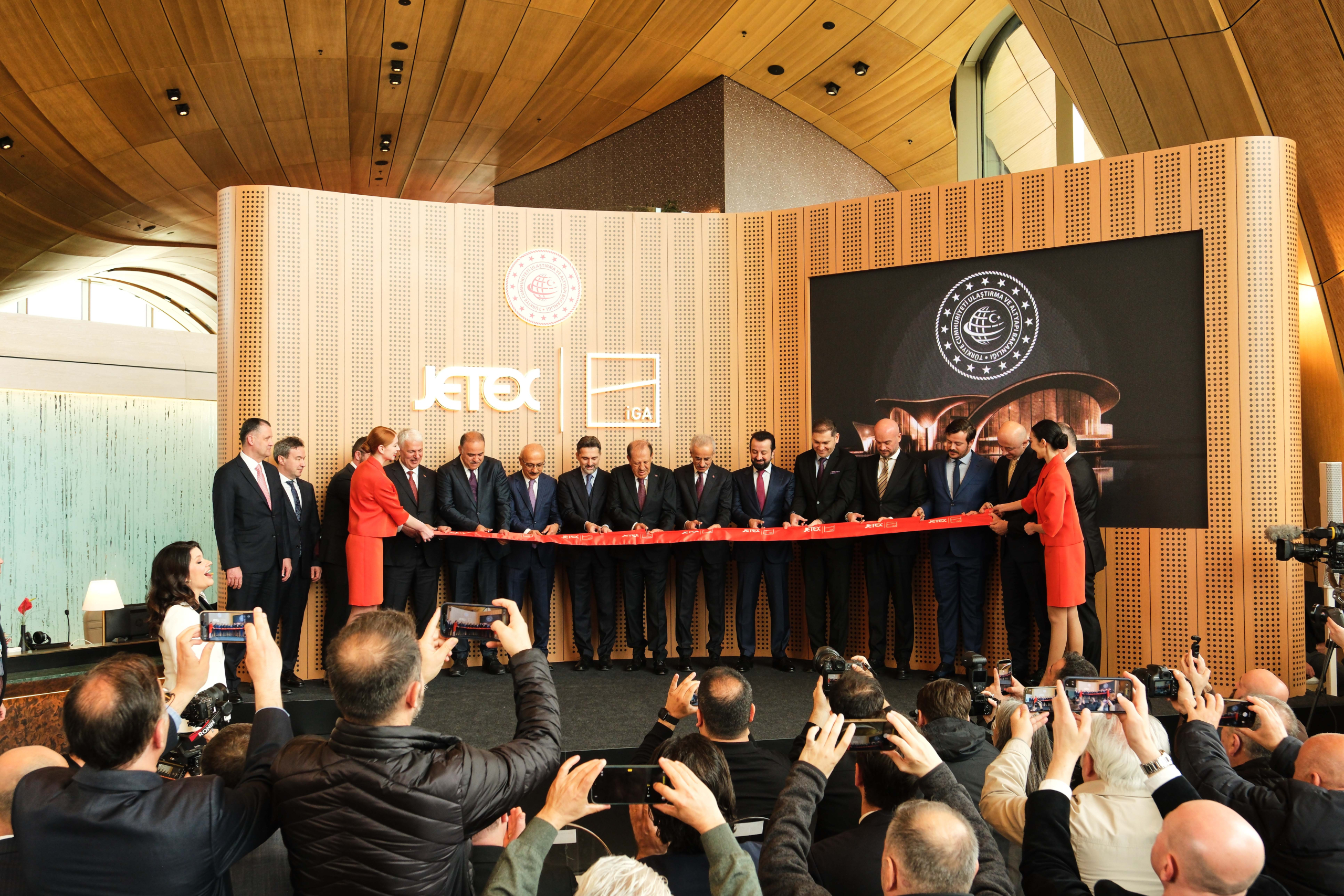
IGA Istanbul Airport in Istanbul has put into operation a new investment that strengthens its claim in the private aviation segment. The JETEX-IGA General Aviation Terminal, implemented within the scope of a partnership with the global private jet services brand JETEX, was opened with a ceremony.
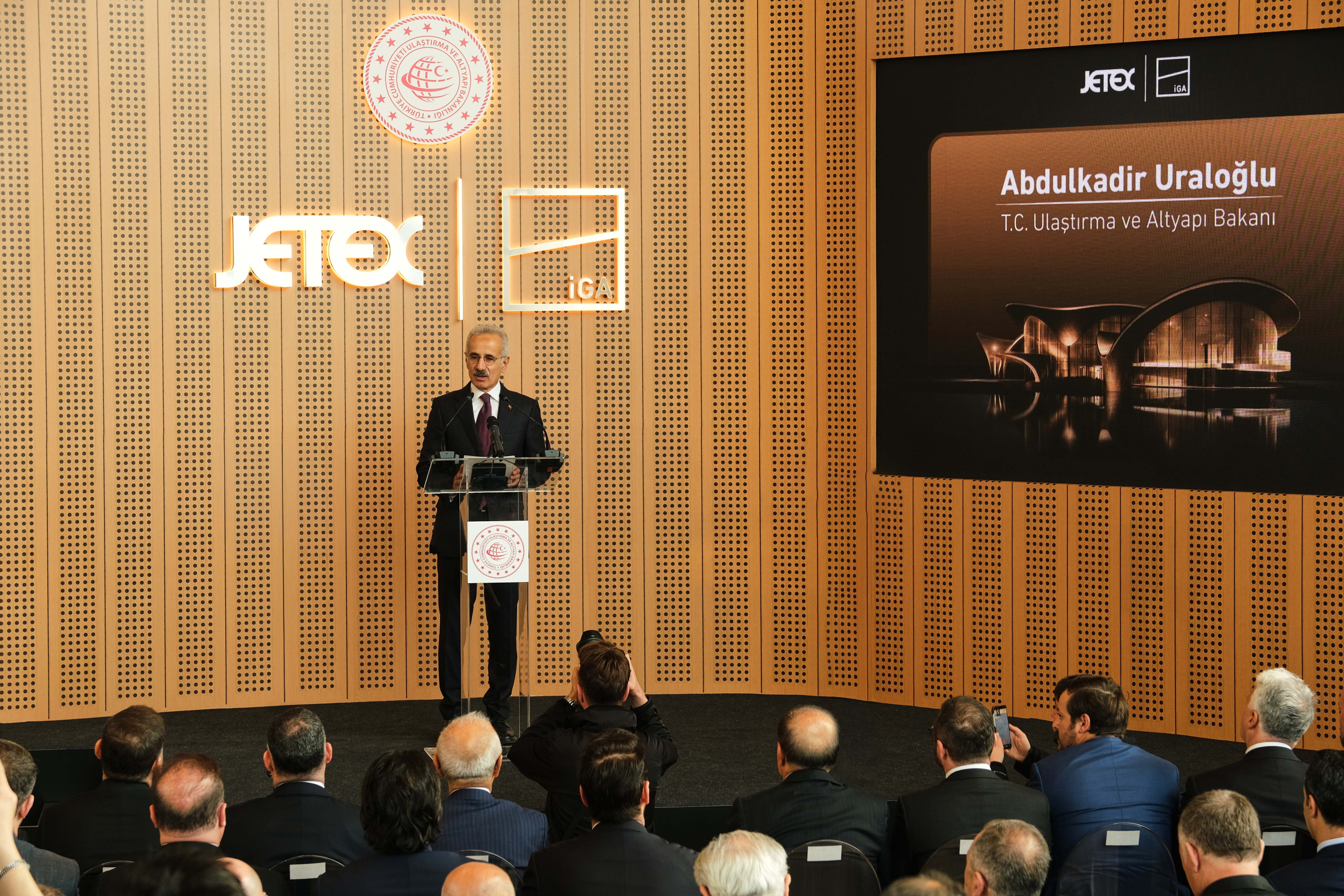
The opening ceremony was attended by the Minister of Transport and Infrastructure Abdulkadir Uraloğlu, along with leading representatives of the sector. The new terminal is positioned with the goal of elevating Istanbul’s aviation ecosystem to a higher segment by serving not only commercial flight passengers but also private jet users.

A strategic investment amid global uncertainty
This investment, launched at a time when the aviation sector is struggling with operational costs, geopolitical risks, and demand fluctuations, adds a new layer to Türkiye’s role in the international transportation network. Combining Istanbul’s geographical advantage with high-end services, the terminal aims to attract more business travelers and high-income passenger traffic.
The new facility is also considered a step that could create a leverage effect in terms of Türkiye’s service exports, tourism revenues, and global investment perception. The growing demand in the private aviation market had already made the need for new infrastructure that would enhance Istanbul’s competitiveness in this field more evident.
“The role of Istanbul is expanding”
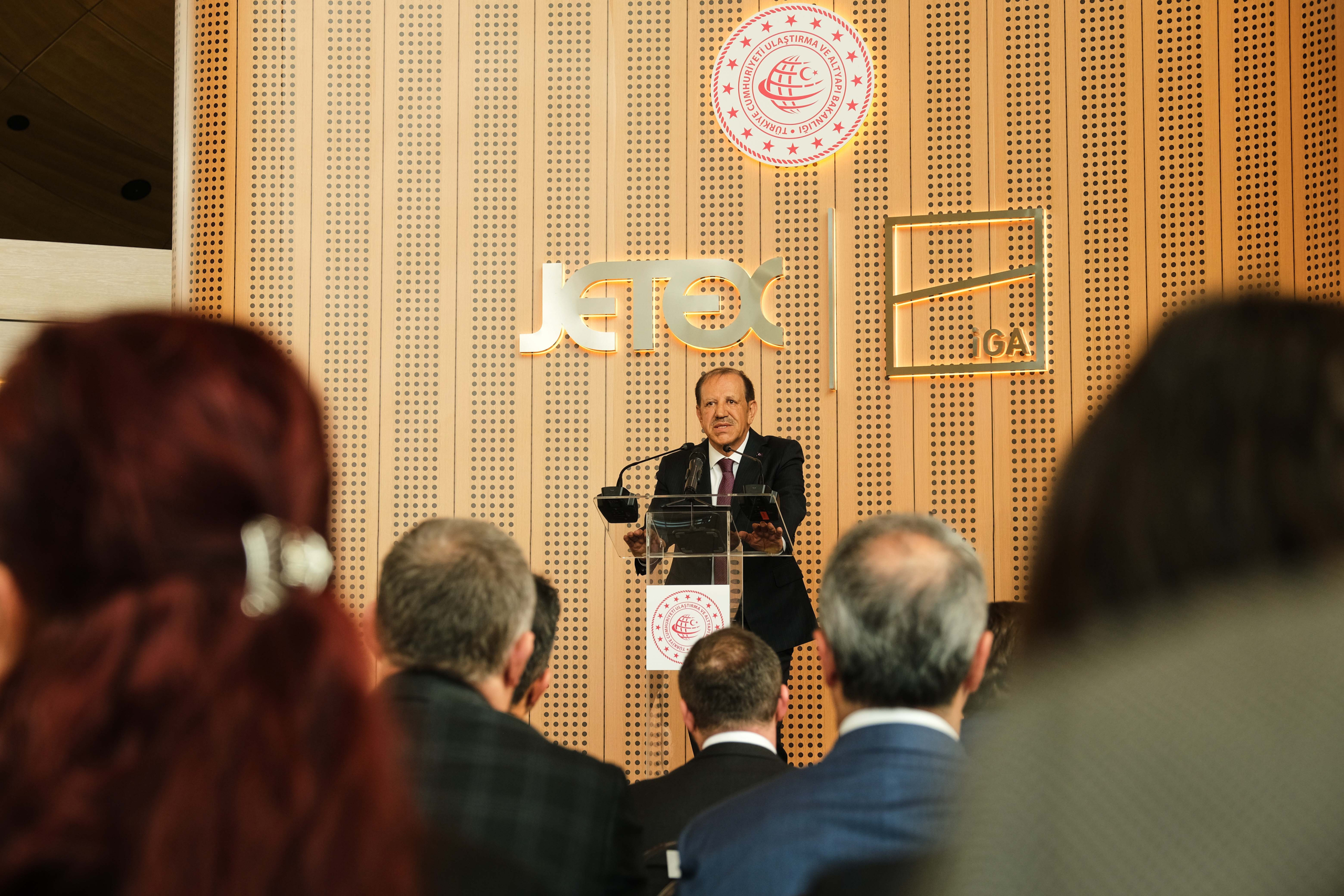
IGA Chairman of the Board Cemal Kalyoncu emphasized in his speech at the opening that Istanbul Airport has become not only a transportation point but a multi-layered global hub. Stating that the infrastructure providing access to more than 140 countries and over 340 destinations has diversified with new investments, Kalyoncu noted that the private aviation segment is a natural extension of this growth.
The target of increasing passenger capacity to 120 million, new runway investments, and the commercial areas developing around the airport are deepening service diversity while expanding Istanbul’s scale in aviation.
JETEX: Istanbul is a critical link in the global network
JETEX Founder and CEO Adel Mardini stated that Istanbul is not only a transit point between East and West but also has the potential to become a center for experience-focused travel. Noting that the company’s terminal network in cities such as Dubai, Paris, Singapore, and Marrakech has been further strengthened with Istanbul, Mardini said that the new facility offers a holistic experience for both private jet passengers and premium commercial passengers.

Architecture and service approach: Experience-oriented design
Spanning approximately 5,000 square meters and built across three floors, the terminal has the capacity to serve 350–400 passengers at the same time. Inspired by Istanbul’s cultural texture, the architecture uses natural stone, wood, and special surfaces to create a warm and unique atmosphere.
Among the standout services at the terminal:
- Personalized suites and relaxation areas
- Spa and wellness services
- Concierge and private welcome teams
- Fast-track passport and security procedures
- Premium restaurant and lounge areas
- Aircraft transfers with private vehicles
Why Istanbul stands out
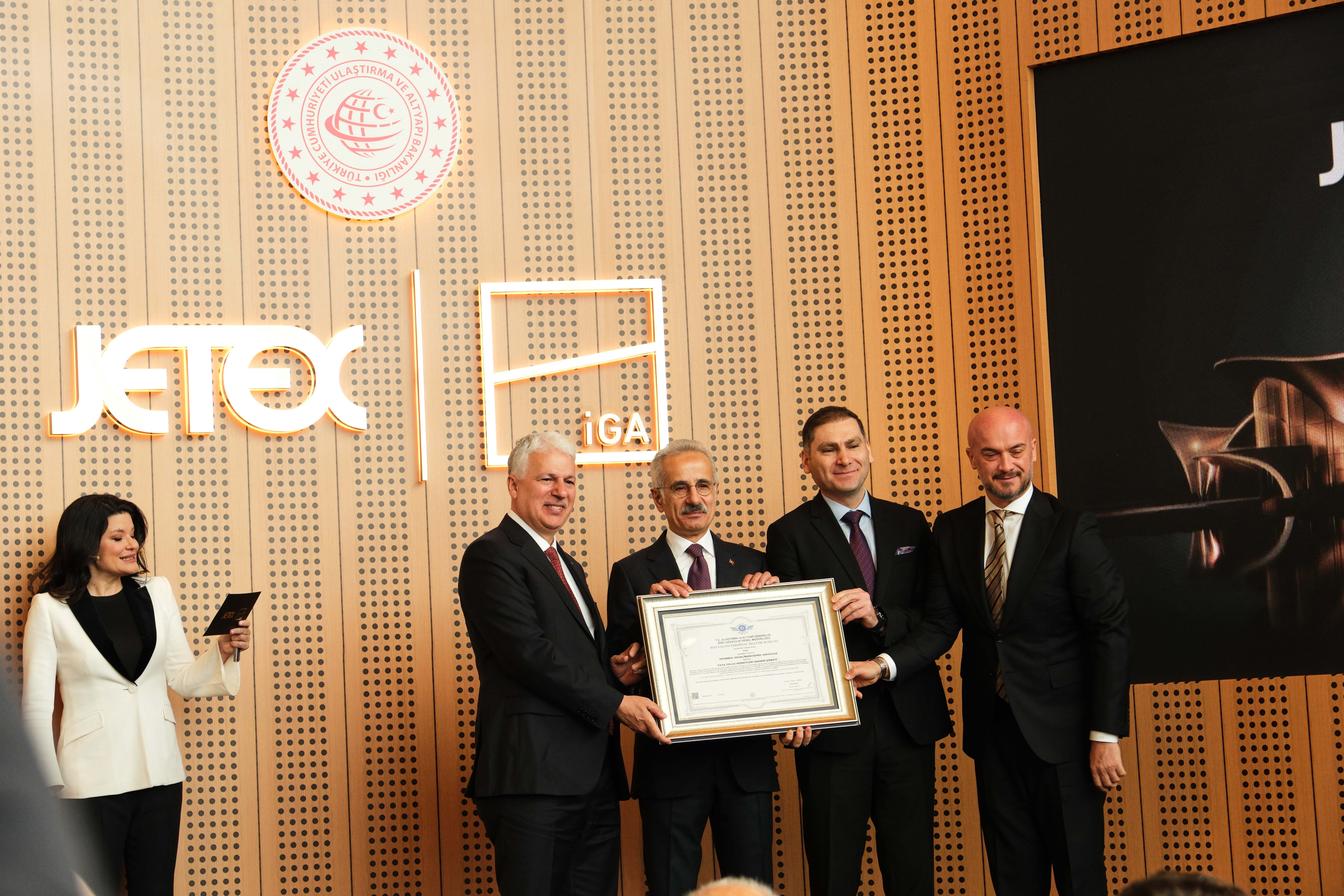
Competition among global aviation hubs is increasingly shaped by service quality and passenger experience. Istanbul’s advantage lies in its geographical location and extensive flight network. High capacity, strong infrastructure, and developing premium services are making the city an alternative hub in private aviation as well.
This terminal, launched through the JETEX-IGA collaboration, could make Istanbul a more visible option especially in private jet traffic between Europe, the Middle East, and Asia. This means a direct contribution to both airport revenues and the city’s economy.