
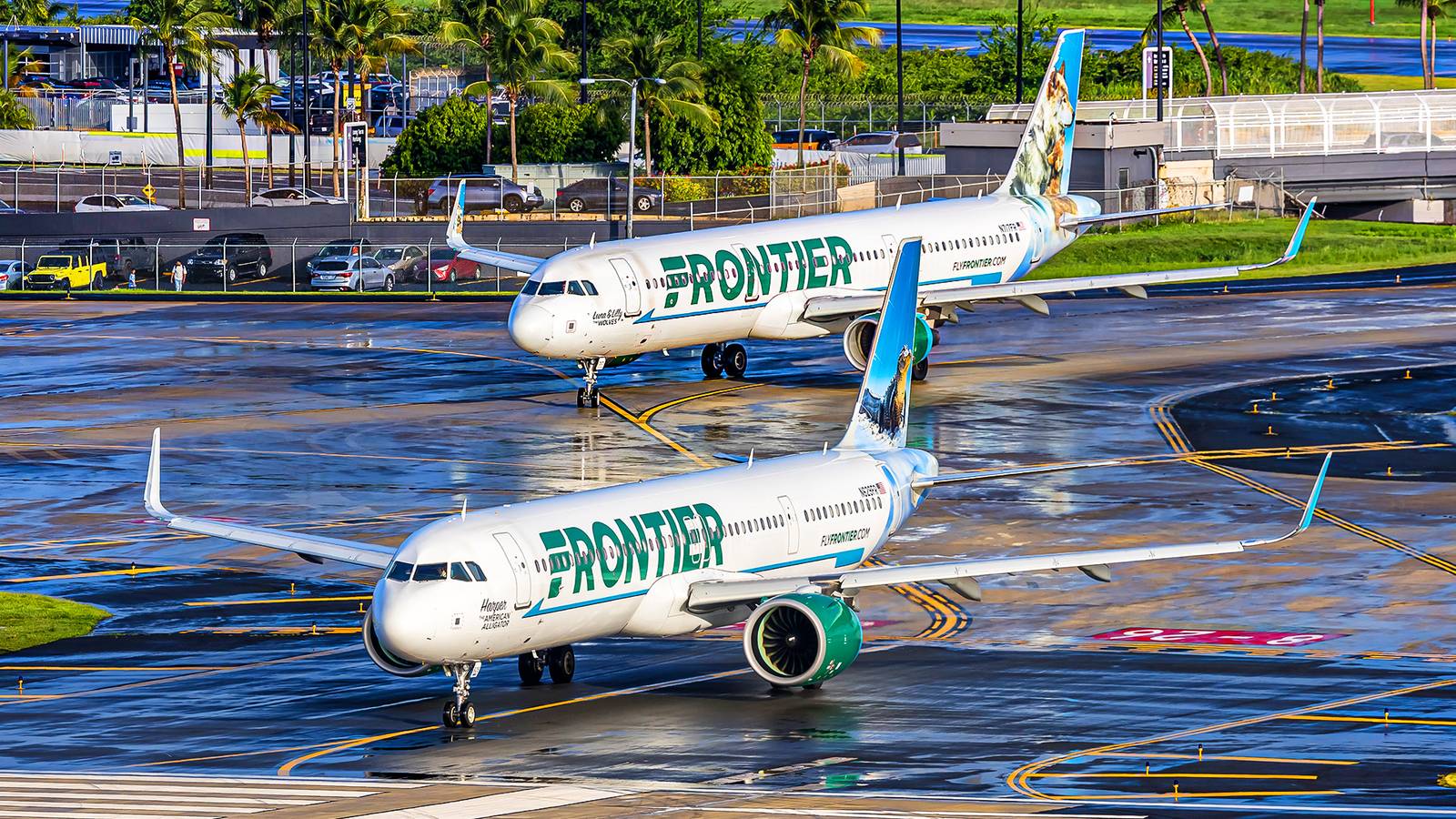


Frontier Airlines has announced that it will introduce SpaceX’s Starlink satellite internet across its fleet, becoming the first ultra-low-cost carrier ( ULCC) in the United States to commit to the high-speed connectivity platform. Installations are expected to begin in early 2027, marking a major shift for an airline that has never previously offered onboard WiFi. The move also aligns Frontier with a growing list of airlines embracing Starlink as the industry’s preferred inflight connectivity solution.
However, the announcement is notable for another reason. Just weeks after Copa Airlines became the first airline to confirm that most passengers would have to pay for Starlink access, Frontier could become the second carrier to adopt a similar model. The airline didn’t mention free access on its website, and it has not yet revealed its pricing strategy either. That ambiguous approach raises doubts and fresh questions about whether other low-cost airlines will treat Starlink as a premium add-on rather than a complimentary benefit.
Frontier Bets On Starlink As It Reinvents Its Low-Cost Model
Until now, Frontier has been one of the few major US airlines without any inflight internet, entertainment, or power outlets, arguing that eliminating such amenities helped keep fares low. The Starlink announcement represents one of the biggest changes to the carrier’s onboard product in its history and continues its broader strategy of attracting higher-spending travelers with premium upgrades.
According to Frontier, Starlink will not only provide passengers with fast, gate-to-gate internet access but will also improve connectivity for pilots, cabin crews, maintenance teams, and ground operations. The airline says those operational improvements should enhance reliability while delivering the streaming-quality internet experience Starlink has become known for. Installations will begin in early 2027 across Frontier’s Airbus fleet.
Frontier CEO Jimmy Dempsey said in the airline’s announcement:
“We’re continuing to invest in the products and services that matter most to our customers. Starlink transforms the onboard experience, giving customers the flexibility to work, stream, browse, and stay connected throughout their journey. Alongside the introduction of First Class seating and enhancements to our loyalty program, it’s another example of how we’re evolving the travel experience while staying true to our commitment to offering the lowest fares.”
Will Frontier Charge For Starlink? That’s The Big Unknown
One of the biggest unanswered questions is whether Frontier will charge passengers for Starlink access. The airline has not yet announced pricing or whether elite Frontier Miles members might receive complimentary connectivity. That silence has fueled speculation because nearly every airline introducing Starlink has opted to offer the service free of charge.
However, the industry’s pricing model may already be changing. Earlier this month, Copa Airlines became the first airline to announce that Starlink would not be universally free, instead reserving complimentary access for elite frequent flyers and Starlink residential subscribers while charging most other passengers. If Frontier adopts a similar approach, it would become the second airline, and the first US carrier, to monetize Starlink despite its premium capabilities.
The decision could have implications far beyond Frontier. Low-cost carriers rely heavily on ancillary revenue from baggage fees, seat assignments, and onboard purchases. Charging for premium internet would fit naturally into that business model, even if full-service airlines increasingly view free WiFi as a competitive necessity.
America’s biggest affordable carrier is upgrading.
More Budget Airlines Are Watching Starlink Closely
Frontier’s announcement also highlights a broader shift among low-cost airlines. Indigo Partners, Frontier’s principal investor, has already committed to equipping more than 1,000 aircraft across its portfolio with Starlink, including Wizz Air, Volaris, and JetSmart. That makes Frontier part of a much larger network, betting that high-speed connectivity will become a competitive advantage available to a broader public.
Other ULCCs are also evaluating their options. Last year, Allegiant Air publicly confirmed it is exploring inflight WiFi for the first time as passenger expectations continue to evolve, as noted by The Points Guy. While the airline has not yet announced a definite technology provider, the growing popularity of Starlink is likely to make it a leading candidate.
Not every budget airline is convinced, however. As noted by Reuters, executives at carriers including Ryanair and easyJet have previously questioned whether the significant investment required for inflight connectivity can generate sufficient returns. Frontier’s rollout may therefore become an important test case for whether premium amenities can coexist with the ultra-low-cost business model.
Orijinal Haberi Görüntüle