
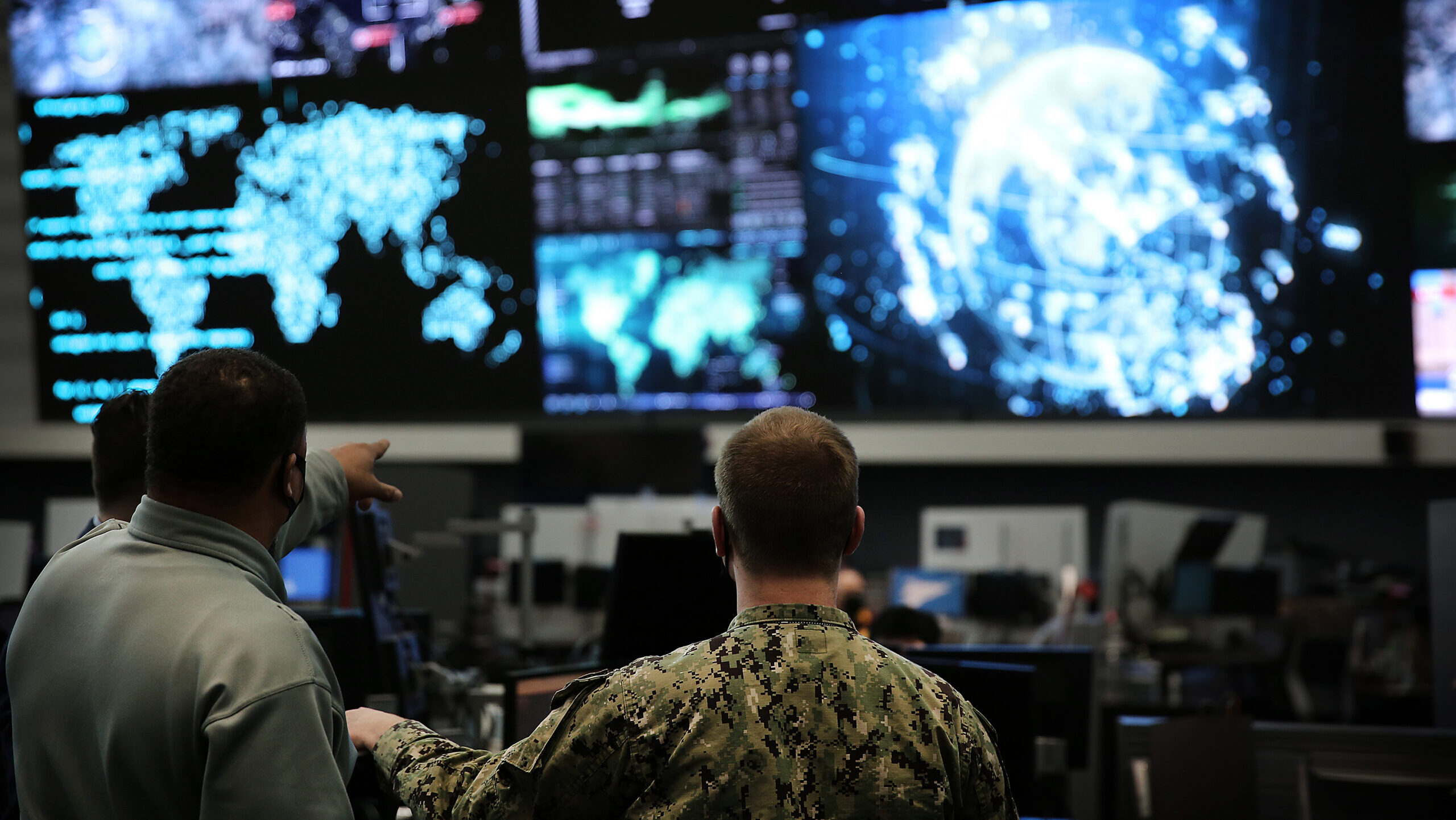


Earlier this month, Bloomberg reported on a tremendous tragedy: as many as five suicides among the Cyber Operations Forces, a grouping that includes US Cyber Command (CYBERCOM) and associated organizations and units. Bloomberg’s report indicates a belief that the rash of suicides was the result of increased operations for CYBERCOM and the associated stress. Whatever the cause, the quick succession of tragedy within such a small ecosystem warrants urgent attention.
Unfortunately, this recent suicide cluster echoes comparable episodes over the last 25 years affecting other high-demand, low-density military communities, such as special operations forces and Unmanned Aerial Vehicle (UAV) pilots/operators. But while those other communities have since built mental health support and operational resiliency programs to address the unique psychological strains within the force, the cyber community has largely failed to convert years of warning, study and internal advocacy into an adequately funded and accountable system of prevention and care.
The recent cluster must become more than another crisis managed through temporary intervention. Rather than fleeting, short-term fixes, these cases should serve as the catalyst for implementing durable institutional change.
In 2023, Congress mandated the Pentagon study the potential extent of psychological strains among cyber operators, and in 2024 the department for the first time acknowledged the issue and validated that existing resources are not adequate to match the need. Despite developing several ways to begin addressing the problem, however, the department has not fully implemented its own recommendations.
Earlier this year, there were signs of progress when the new CYBERCOM Commander, Gen. Joshua Rudd, identified “cognitive, psychological, physiological and spiritual sustainment for high-temp cyber operators” as number two on his “unfunded priorities” list in a letter to Congress, estimated to cost $11 million. While laudatory, it should be concerning that an $11 million investment in the human weapon system remains an unfunded requirement for an organization overseeing more than $4 billion annually, particularly given Secretary Pete Hegseth’s emphasis on warfighter performance, optimization and lethality.
The military’s cyber operations community is among the most insular. Composed of highly skilled technical personnel, the officers, enlisted and civilians are persistently operating in cyberspace against the nation’s adversaries but without the defined periods to reconstitute and retrain at the unit level required by military doctrine.
Generally, US military forces adhere to a predictable cycle of “Reconstitution–Training–Mobilization/Deployment–Demobilization/Post-deployment.” In contrast, cyber operators are effectively “deployed in place” for the entirety of their assignments, typically two to three years per assignment. The teams of operators, analysts, planners and support personnel are continuously conducting real-world operations but are returning home each night — where, due to security clearance rules, they are unable to discuss their day with families or friends.
The lack of geographic separation, defined deployment endpoint or protected periods to reconstitute and retrain normally associated with a combat deployment downrange creates unique psychological strains on the operators, ultimately hurting readiness and limiting operational impact.
Further affecting cyber operators’ care is the military health system’s emphasis on centralized care within military treatment facilities. While sensible for large military formations, the consolidation of care and resources disproportionately impacts high-demand, low-density military organizations, which have historically required their own “embedded care” models and capabilities for the proactive psychological and physiological support necessary for maintaining mission readiness.
Complicating matters further: A large subset of this affected population works within facilities belonging to and controlled by CYBERCOM’s sister organization, the National Security Agency (NSA). The constraints on access to these facilities creates an obstacle for operators who often find themselves seeking care on base from military medical professionals who generally lack the requisite security clearances at facilities that are incapable of hosting classified discussions. This restricts the operator from being able to comprehensively discuss potential factors impacting his or her health.
Of course, leaders have been aware for some time of the impact on small, elite organizations “deployed-in-place.” That has led to the rise of specialized support programs developed by the special operations and UAV communities. U.S. Special Operations Command (SOCOM), for instance, has treated human resilience as a mission-readiness requirement, building an embedded, holistic support system for special operators and their families and investing close to $80 million annually in recent years.
That is a good long term goal to mirror for CYBERCOM, but we cannot afford to wait for the time it would take to build that out. The Pentagon’s own 2024 analysis of occupational resilience within the Cyber Mission Force found significant concerns and recommended dedicated care teams across the force. Thankfully, there are near- and medium-term actions, already identified in the Pentagon’s own analysis of the issue, which are implementable by the leadership at CYBERCOM and the military services to mitigate known risks to cyber operators’ health, human performance and operational resilience.
As a short-term measure, Rudd — who came from a SOCOM background, where he would have encountered the way that organization handles these issues — should prioritize expanding clearances, badges and facility accesses for existing military medical personnel and chaplains already at key military installations where CYBERCOM personnel are located. This would open the pool of those available to help CYBERCOM personnel without requiring any shifting of money or assets, generating immediate help.
However, bringing in a handful of local providers is an emergency stopgap, not a solution. In the medium term, CYBERCOM should also request the addition of dedicated personnel (such as psychiatrists, psychologists, social workers and chaplains) to the “manning tables” of the military services’ cyber components, on par with the requisite planners and administrative support necessary for running operational entities. This would provide permanent, embedded, specialist care inside these units and ensure on-site resources for some of the most in-demand military assets in the arsenal.
While no one should ever claim a case of suicide is preventable, there is empirical evidence that connects specialized and tailored support with the reduction of military suicide rates. At a minimum, these tragedies could serve as a watershed moment, compelling the Pentagon to address the issue with the sustained attention and seriousness it requires.
The department has the expertise and capacity to act; what is needed now is sustained leadership attention, clear institutional ownership and resources aligned with the demands of the mission. Postvention cannot substitute for prevention, and crisis response cannot substitute for institutional reform. The only unacceptable outcome is continuing onward unabatedly.
Joshua Stiefel is the Co-Chair of the Commission on Cyber Force Generation, a joint effort of the Center for Strategic & International Studies and the Foundation for the Defense of Democracies. He is also Vice President at Second Front, a public benefit, national security technology company. Previously, he spent nearly seven years as a Professional Staff Member for the House Armed Services Committee (HASC) where he was responsible for the oversight, legislation, and policy for the Pentagon’s cyber warfare, cybersecurity, and information technology activities, a portfolio of more than $25 billion annually. Before Capitol Hill, Josh spent ten years in the executive branch with the Departments of Defense and the Treasury and served eight years as a commissioned officer in the Navy Reserve.
Orijinal Haberi Görüntüle