


Josh is an Aviation Journalist and lifelong aviation enthusiast who’s now turning that passion into a career. From watching planes and playing flight simulators at a young age to now sitting in the cockpit, Josh has always been drawn to the world of flight.
Currently training to become a commercial pilot, Josh aims to make aviation interesting and accessible to everyone, whether you’re in the industry or simply passionate about aviation.
Now actively building a career in Aviation, Josh is focused on telling stories from inside the aviation world, stories shaped by firsthand experience, curiosity, and a genuine love of all things that fly.
Regional air service often operates on a delicate balance between economics and accessibility. While large hub airports can rely on millions of passengers moving through their terminals each year, smaller regional airports depend heavily on maintaining stable demand from a much smaller customer base. Even modest shifts in passenger numbers can place pressure on route performance and force airlines to reconsider whether flights remain financially sustainable.
That challenge is now unfolding in western North Dakota as Delta Air Lines prepares to end service between Williston Basin International Airport (XWA) and Minneapolis–Saint Paul International Airport (MSP) on September 7, bringing to a close a route first launched in November 2012. KFYRTV reported that airport leadership described the development as disappointing but acknowledged that passenger demand had not consistently reached levels needed to sustain the service. The route also served as a major gateway into Delta’s network through Minneapolis, one of the airline’s largest hubs, operating over 330 peak-day departures to 124 destinations across the globe.
Declining Passenger Demand Creates Challenges
Airlines determine the future of routes through a combination of passenger traffic, operating costs, revenue generation, and aircraft efficiency. Even routes with local importance can become difficult to justify if passenger numbers fluctuate significantly. Aircraft have limited resources, and airlines frequently shift capacity toward routes producing stronger financial returns.
Airport officials indicated that traffic levels on the Minneapolis route had failed to consistently reach long-term sustainability targets. SkyWest Airlines has been operating 20 weekly departures, yet local leaders had already expressed concerns regarding its future. In late 2025, city and county officials approved financial support worth up to $2.7 million intended to help preserve the service. Airport Director Ryan O’Rear said, “We recognize that this news may be disappointing for many travelers who have relied on Delta service over the years.”
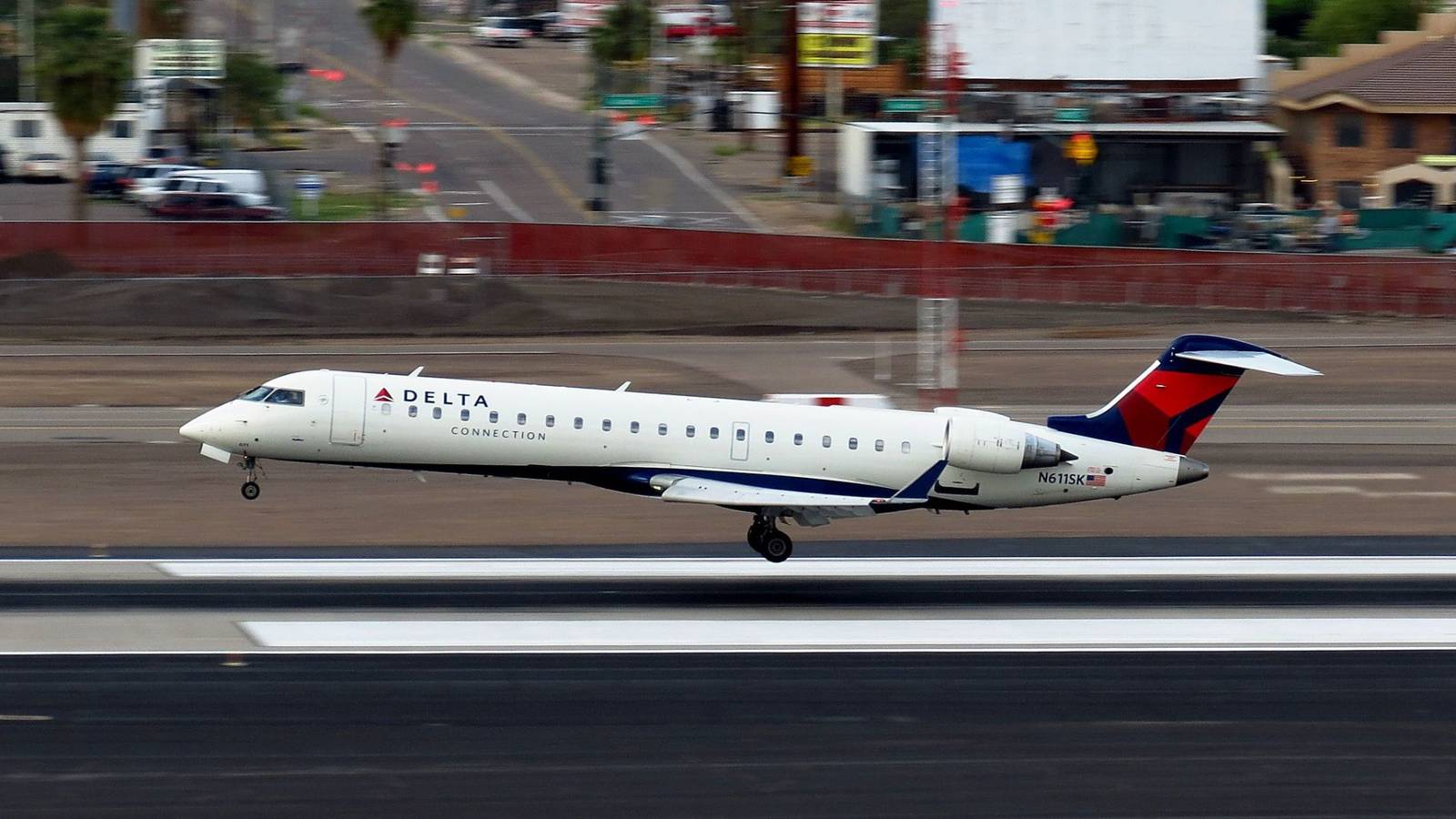
Aircraft economics also play an important role in regional aviation decisions. Flights serving smaller markets commonly rely on regional jets carrying between 50 and 70 passengers, meaning relatively small shifts in demand can quickly impact profitability. Recent service increasingly relied on Bombardier CRJ700 aircraft, configured with 50 seats, including 10 first-class seats and 40 economy seats. A Delta spokesperson told Simple Flying that the carrier regularly evaluates its network based on customer feedback.
“Delta regularly evaluates its network based on where our customers tell us they most want to fly. As part of our ongoing planning process, we’ve made select adjustments to our network. Delta continues to offer extensive service for customers, and we will directly contact any impacted customers with alternate options.”
The End Of Delta’s Williston-Minneapolis Connection
Delta’s departure marks the end of nearly 14 years of continuous service in Williston, interrupted only by the COVID-19 Pandemic period. The Minneapolis route represented Delta’s only service in the city, meaning the airline will no longer maintain an operational presence in the market once flights conclude in September.
The route itself covers approximately 554 miles (890 km) and averages around one hour and 23 minutes of flight time. For travelers throughout western North Dakota, the route reduced the need for lengthy drives to larger airports while providing access to a major connecting hub.
During the Bakken oil boom years, strong economic expansion dramatically increased travel demand throughout the region. Increased energy-sector activity helped support additional air service opportunities and strengthened passenger traffic. As regional economic conditions evolved, however, travel patterns and airline demand also shifted.
The ordeal left passengers with head trauma and orthopedic injuries, prompting a lawsuit and investigation.
What Delta’s Exit Says About Regional Aviation
Williston’s experience reflects broader trends affecting regional aviation across North America. Airlines increasingly focus aircraft and operational resources on larger markets where they can maximize efficiency and profitability. While passenger demand globally continues to grow, smaller communities sometimes experience the opposite effect through route reductions and network restructuring.
Industry estimates indicate that worldwide passenger traffic recently exceeded five billion annual travelers, highlighting continued growth throughout the broader aviation sector. Yet despite that growth, airlines must continue adjusting networks based on profitability and local demand performance rather than overall industry trends.
Regional airline operators remain central to this process. SkyWest, among North America’s largest regional carriers, operates a fleet approaching 500 aircraft and transports more than 46 million passengers annually through partnerships with major airlines, including Delta and United. Despite Delta’s departure, United Airlines will continue serving Williston through Denver operations, maintaining access to broader domestic and international networks.
Orijinal Haberi Görüntüle