



Josh is an Aviation Journalist and lifelong aviation enthusiast who’s now turning that passion into a career. From watching planes and playing flight simulators at a young age to now sitting in the cockpit, Josh has always been drawn to the world of flight.
Currently training to become a commercial pilot, Josh aims to make aviation interesting and accessible to everyone, whether you’re in the industry or simply passionate about aviation.
Now actively building a career in Aviation, Josh is focused on telling stories from inside the aviation world, stories shaped by firsthand experience, curiosity, and a genuine love of all things that fly.
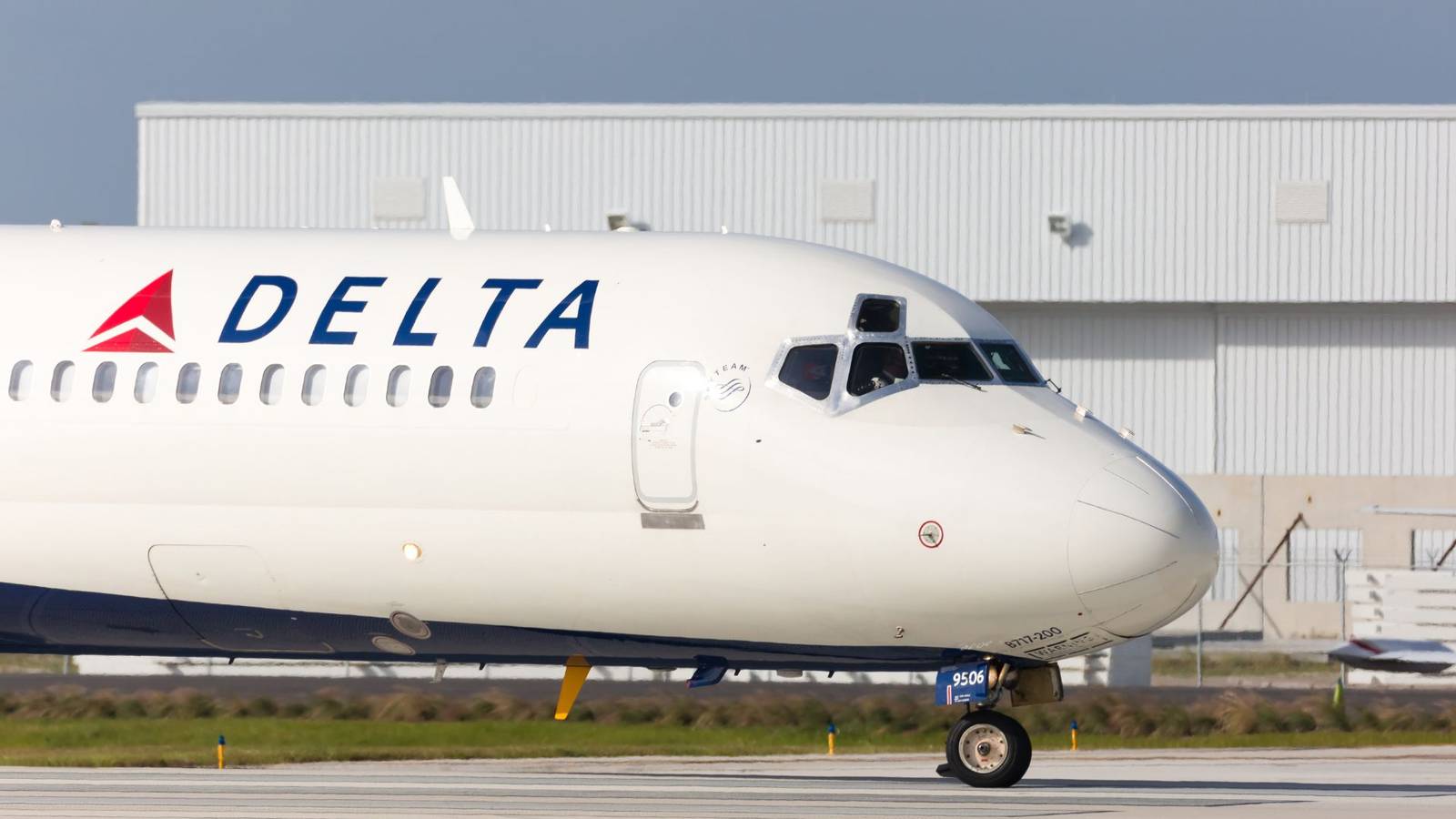
Delta Air Lines appears to be beginning a meaningful phase of its long-expected Boeing 717 retirement program, with reports indicating that six aircraft aged more than 26 years will leave the fleet nearly four years earlier than expected. These aircraft have been identified by JonNYC as consecutive registrations from N943AT through to N948AT. While Delta had announced years ago that the 717 would eventually disappear from its network, recent fleet data and industry reporting suggest the process may now be underway, at least for selected airframes. Data from Planespotters.net shows the oldest identified aircraft, N943AT, at 27.1 years of age, while N948AT was identified as the youngest among the initial group at 26.6 years old.
The 717 has occupied a unique position within Delta’s domestic operations. Acquired largely through the former AirTran Airways fleet, the aircraft became an inexpensive and practical replacement for older McDonnell Douglas types such as the MD-88 and MD-90. Delta’s maintenance expertise and willingness to operate aging aircraft allowed the airline to extract value from a fleet that many competitors would likely have retired much earlier. However, growing maintenance requirements, a shrinking global operator base, and the arrival of Airbus A220 aircraft increasingly point toward the beginning of the 717’s final chapter.
Why Delta Is Retiring Selected Boeing 717 Aircraft Early
The retirement of six aircraft does not necessarily signal the immediate commencement of the 717 fleet retirement at Delta. Instead, it suggests that these particular aircraft may have reached points where major maintenance work was becoming economically difficult to justify. Airlines frequently retire aircraft when expensive inspections or structural work are due, particularly if replacement aircraft are entering the fleet.
The six aircraft identified are among the oldest in Delta’s fleet and originated from AirTran before eventually joining Delta after Southwest Airlines acquired AirTran. The aircraft had already accumulated decades of service before entering Delta’s operation, making them some of the most mature narrowbody aircraft still operating in scheduled service.
Delta historically has maintained a different fleet strategy than many competitors. Rather than retiring aircraft based solely on age, the airline often evaluates operating economics, maintenance costs, and network utility. This philosophy previously allowed Delta to operate MD-88s, MD-90s, and older Boeing aircraft significantly longer than other major United States carriers.
Simple Flying contacted Delta for a comment, but a representative was not immediately available.
The Airbus A220 Is Emerging As The Likely Successor
A View From The Wing has reported that the most commonly cited replacement for the 717 remains the Airbus A220 family. Delta has already invested heavily in the type and continues to receive deliveries, making it the most logical successor for many domestic missions currently served by the 717. The A220 offers greater fuel efficiency, modern passenger amenities, and lower operating costs on many routes.
The transition, however, is not expected to be a direct aircraft-for-aircraft replacement. The 717 occupies a specialized role on short domestic routes, and no current aircraft perfectly replicates its mission profile.
The A220 also introduces operational advantages beyond fuel burn. Passengers receive wider seats, larger windows, quieter cabins, and larger overhead bins, all of which align with Delta’s broader fleet modernization strategy. These improvements could strengthen Delta’s competitiveness on domestic routes while reducing long-term operating complexity.
The manufacturer is weighing demand, profitability, and performance trade-offs despite airline interest.
What This Means For The Future Of Delta’s Fleet
Although reports surrounding these six retirements have generated considerable attention, the action itself represents only a small fraction of Delta’s overall 717 fleet. The airline still holds the title of operating the world’s largest number of the type, meaning a gradual phase-out remains more likely than a rapid withdrawal.
Delta could eventually place additional Airbus or Boeing orders to address longer-term fleet requirements beyond simply replacing a handful of retiring aircraft. Such decisions would likely involve broader considerations, including future replacement of aging narrowbody and mid-size aircraft.
Ultimately, the retirement of six aircraft appears less like a dramatic fleet overhaul and more like the opening stage of a measured transition strategy. For aviation enthusiasts, however, the move may represent the first visible sign that one of the final descendants of the DC-9 aircraft family is beginning its gradual exit from one of its last major homes.
Orijinal Haberi Görüntüle