
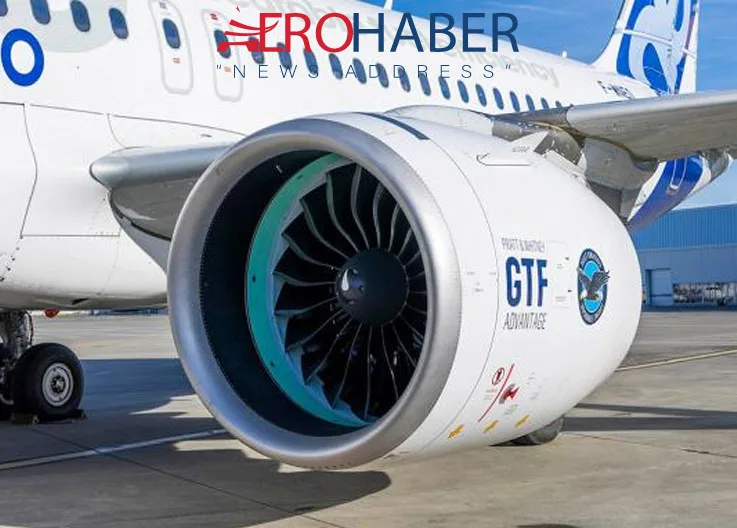


Considering the severe impact of winter conditions and associated flight safety risks, Airbus has implemented new operational take-off restrictions for certain A320neo family aircraft equipped with Pratt & Whitney PW1100G series geared turbofan (GTF) engines. Confirmed by an Airbus spokesperson on 28 November 2025, the directive targets severe icing conditions such as freezing fog, where visibility drops below 150 metres.
Under the new framework, A320neo, A321neo and A321LR models will not be permitted to take off in specific scenarios. The purpose of the limitation is to minimise the risk of ice accumulation on engine components and ensure safety during the critical take-off phase.
Cold-weather sensitivity in GTF engines
Airbus’s decision is based on analyses revealing certain vulnerabilities in GTF technology in cold-weather environments. While PW1100G engines stand out with up to 20% emissions reduction compared to previous generations, prolonged exposure to supercooled water droplets in freezing fog can cause faster ice build-up on fan blades and low-pressure systems.
Industry experts note that this ice accumulation may reduce airflow and engine thrust, creating risks during take-off when margins for error are minimal. This development follows Pratt & Whitney’s recall process earlier in the year involving more than 6,000 engines due to metal contamination issues.
Airbus emphasised that the new limitation resulted from a rigorous evaluation based on flight data and simulations, underlining its message that “Safety comes before operational flow.”
Early impacts across global airlines
Airlines operating in cold climates have already begun to feel the effects of the restrictions.
Air Astana reported delays and route adjustments in Almaty due to freezing fog. Low-cost carriers in Europe, as well as regional airlines in Canada and the United States, are also expected to face similar impacts throughout the winter.
Airbus is providing operators with guidance on alternative operational procedures, including enhanced anti-icing fluids and extended engine warm-up times.
Meanwhile, Pratt & Whitney, part of RTX Corp, announced that it is accelerating a technical solution package involving software improvements and new hardware certifications.
A process that will shape future winter operations
Airbus plans to increase production of the A320neo family to meet rising global demand, targeting 75 monthly deliveries in 2026. However, the sensitivity of the engines in winter conditions may lead airlines to consider alternative engine manufacturers such as CFM International for future orders.
While supply discussions between Pratt & Whitney and Airbus continue with promising prospects, the industry’s collective message remains clear:
“In extreme cold, safety comes first.”
This operational step aims to ensure that the A320neo family continues to maintain a strong presence in upcoming winter seasons in line with its vision for safe and sustainable aviation.