


Turkish Aerospace Industries, Inc. (TUSAŞ) has made significant progress in the Great Subsonic Wind Tunnel (BSAR-T) project developed with domestic engineering power. Once completed, the facility will be one of Europe’s largest aerodynamic testing centres, giving a new boost to Türkiye’s defence and aviation capabilities.
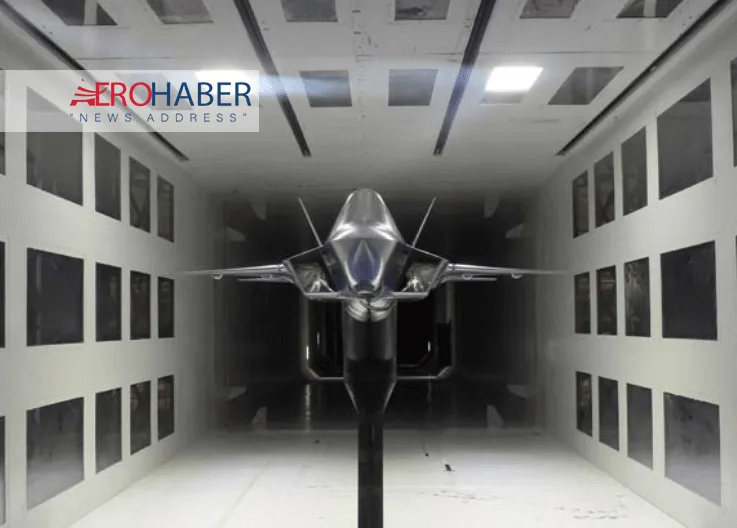
Turkish Aerospace Industries, Inc. (TUSAŞ) has reached a critical stage in the Great Subsonic Wind Tunnel (BSAR-T) project, which will be one of Türkiye’s most advanced aerodynamic testing infrastructures. Once completed, the facility will be one of the largest wind tunnels in Europe, offering strategic testing opportunities for fifth-generation fighter jets, unmanned aerial vehicles (UAVs) and helicopter projects.
The Heart of Aviation Beats in Ankara
Constructed by TUSAŞ at its Kahramankazan campus, the wind tunnel aims to reduce Türkiye’s foreign dependence in aviation and increase domestic production capacity. With a test section measuring 4 metres by 6 metres, the facility will be used for critical tests such as low-speed aerodynamic analyses, wing-fuselage interaction and take-off and landing configurations.
Domestic Engineering, Global Scale
Developed entirely with domestic engineering infrastructure, the system is equipped with high-resolution sensors and advanced data acquisition technologies. The tunnel, capable of generating airflows of up to 400 kilometres per hour, will simulate various flight conditions in a highly realistic manner.
Direct Contribution to National Projects
Aerodynamic tests for TUSAŞ’s strategic projects such as KAAN, HÜRJET, ANKA-3 and GÖKBEY will be carried out directly at this centre once the tunnel becomes operational. This is expected to reduce testing costs and shorten development processes.
TUSAŞ officials emphasise that the commissioning of the facility will greatly strengthen Türkiye’s independent testing and analysis capabilities in the field of aviation and defence industries.