


Iran’s missile attacks on Israel have caused chaos not only on land and sea but also in the skies, severely impacting air traffic. Numerous flights were canceled or forced to change their routes. One of the most dramatic incidents involved an Air France flight that remained airborne for hours without reaching its destination.
Paris-Mumbai Flight Turned Into a Disaster
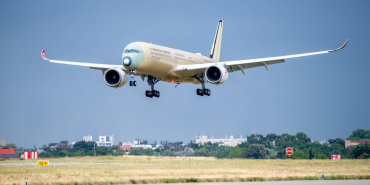
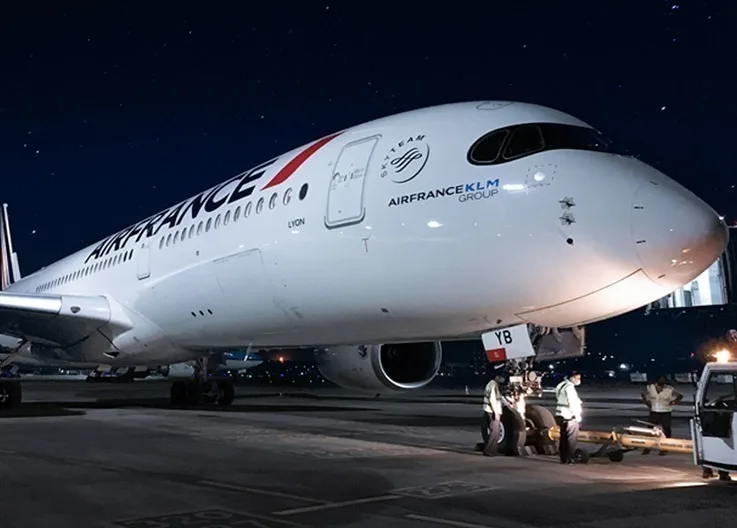
On October 1, Air France flight AF217 took off from Paris Charles de Gaulle Airport en route to Mumbai. However, due to Iran’s missile strikes on Israel, Iraqi airspace was closed, forcing the plane to change its route. After flying in circles for hours, the plane ultimately had to return to Paris without reaching any destination.
8 Hours in the Air, Only to Return to Paris
What was supposed to be an approximately 8-hour flight from Paris to Mumbai turned into a chaotic journey when the closure of Iraqi airspace disrupted the flight path. The plane attempted to reroute via Turkish airspace, but due to uncertainties over the Middle East’s skies, it eventually turned back. After a total of 8 hours in the air, the passengers were brought back to Paris.
Middle East Crisis Disrupts Air Traffic
The ongoing tensions in the Middle East affected not only Air France but also numerous international flights. With airspace closures over countries like Iraq, Syria, and Lebanon, many flights were forced to take longer routes to avoid conflict zones, leading to extended flight times. Some planes had to make refueling stops, causing passengers to miss their connecting flights.
Aviation Risks Rise Amid Increased Tensions
Military operations and missile attacks in the Middle East have heightened security risks not just on the ground but also in the skies. Airlines are on constant alert regarding passenger safety and airspace closures, but these disruptions also result in significant economic losses and operational setbacks. The incident involving the Air France flight highlights how tensions in the region can severely impact international aviation.
As political and military developments in the Middle East continue to unfold, further disruptions to air traffic are expected. Airlines may be forced to devise new, alternative routes to ensure passenger safety and operational continuity.