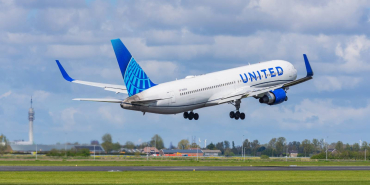

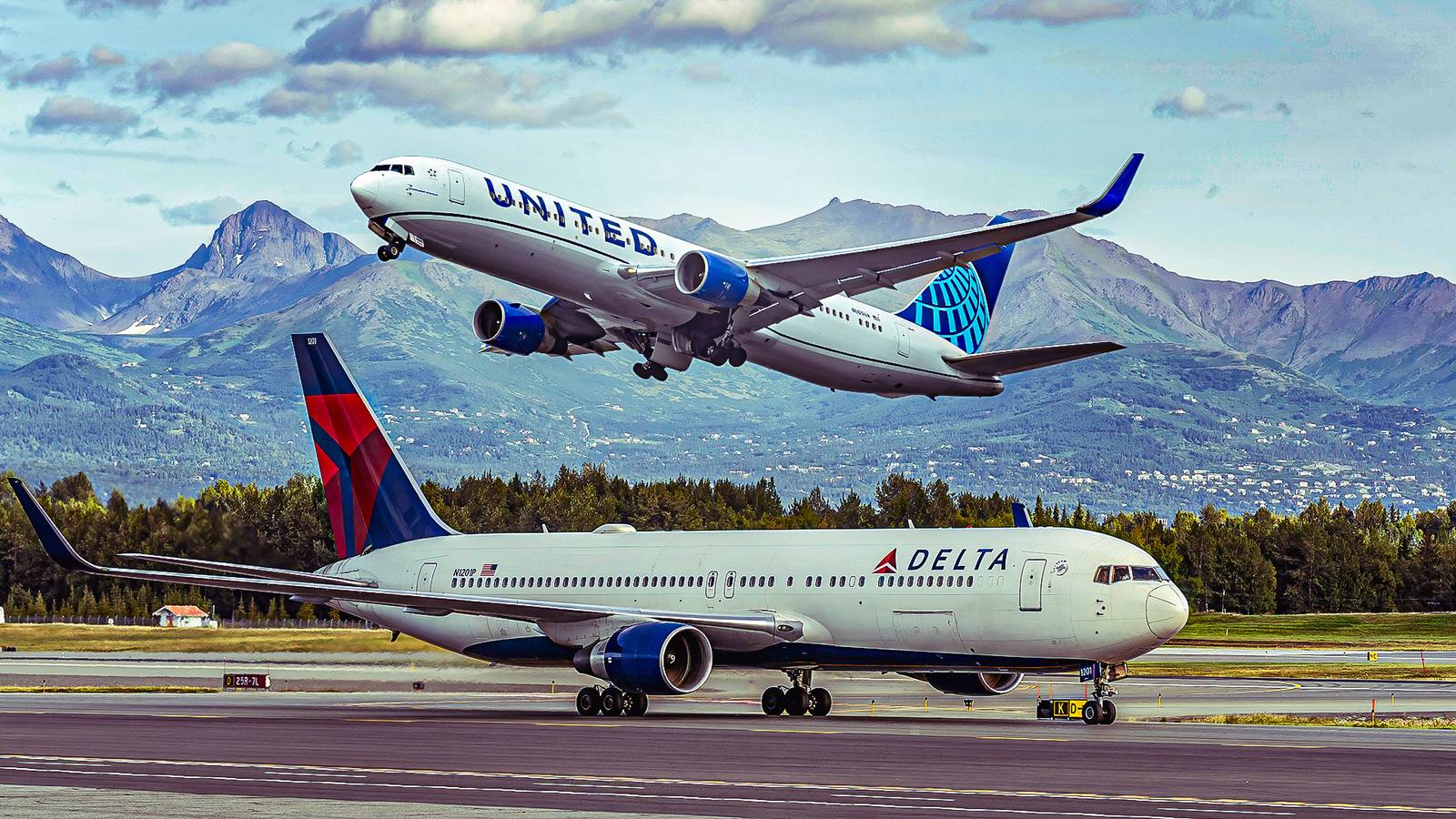


United Airlines CEO Scott Kirby reportedly approached Delta Air Lines last year to discuss a potential merger that would have created the world’s largest airline by market value. According to an exclusive Wall Street Journal report, Kirby personally contacted Delta CEO Ed Bastian as United explored another blockbuster consolidation opportunity after years of pursuing ambitious growth strategies. The discussions ultimately went no further, with both airlines moving on from the proposal in different directions.
The revelation comes months after reports emerged that Kirby had also floated the idea of merging United with American Airlines, as previously covered by Simple Flying. While neither proposal advanced, the latest report highlights the United chief executive’s willingness and ambition to pursue industry-defining transactions despite the enormous regulatory hurdles such deals would face.
According to people familiar with the matter cited by The Wall Street Journal, Kirby contacted Bastian directly as part of United’s proposal to combine the two largest and most profitable US network airlines. Delta’s leadership reportedly evaluated the approach and conducted preliminary due diligence before deciding not to move forward with formal discussions. Both sides eventually abandoned the idea.
The proposed combination would have united two airlines that have become dominant forces in the US market following decades of industry consolidation. However, aviation executives have long viewed a United-Delta merger as virtually impossible because of likely opposition from antitrust regulators, given the carriers’ combined market power that would have created a monopoly across domestic and international routes.
The Wall Street Journal wrote the following regarding the deal:
“The talks didn’t progress, and both companies later moved on from the proposal.”
The report suggests Kirby’s interest reflected more than simple market expansion. Delta has long been regarded as the industry’s benchmark for profitability, premium customer experience, and operational reliability, with overall good passenger reviews. Kirby has repeatedly praised Delta’s strategy, which emphasizes attracting higher-yield travelers rather than competing primarily on low fares.
That philosophy has significantly influenced United’s own transformation over recent years. The carrier has invested heavily in premium cabins, lounges, international connectivity, and onboard products as it attempts to narrow the performance gap with Delta. According to the report, United and Delta together generated more than 90% of the US airline industry’s profits last year, illustrating how dominant the two airlines have become.
Financially, the combined company would also have been enormous. The Wall Street Journal reported that Delta’s market value stood at roughly $56 billion, while United was valued at around $38 billion at the time of publication, creating a business with unprecedented scale of almost $100 billion in the US airline sector. But the deal remains theoretical.
Are the world’s largest airlines monopolizing air travel?
Regulatory Obstacles Remain Overwhelming For Mega Mergers
Even if Delta had shown greater interest, completing such a merger would likely have proven extraordinarily difficult, or probably impossible. The four largest US airlines, such as the Big Three: American, Delta, United, plus Southwest and JetBlue, already dominate the domestic aviation market after a wave of consolidation during the past two decades. A merger between United and Delta would almost certainly have triggered intense scrutiny from the Department of Justice, state attorneys general, and other competition authorities.
The timing of the proposal is also notable. According to the report, some business leaders believed the second Trump administration might take a more accommodating approach toward large corporate mergers than previous administrations. Even so, the sheer size of a United-Delta combination would have made regulatory approval highly uncertain.
The proposal also followed reports that Kirby had explored another industry-changing transaction involving American Airlines. That earlier idea attracted criticism from lawmakers, while President Donald Trump reportedly expressed opposition and American Airlines CEO Robert Isom publicly described such a combination as “anticompetitive.” It means that the Big Three continue to be separate and rivals in the skies over the US and abroad with no imminent merger possibility.
Orijinal Haberi Görüntüle