


New Route from Turkish Airlines in Africa: Port Sudan Flights Begin
With the launch of Port Sudan flights, Turkish Airlines has increased the number of its destinations in Africa to 63. By operating flights to the strategic port city on the Red Sea, the flag carrier continues to expand its network across the continent.
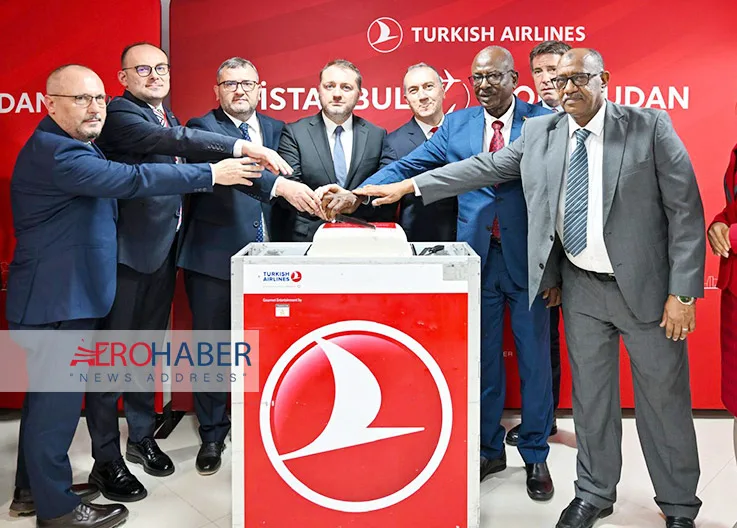
Turkish Airlines, the airline that connects Africa to the highest number of destinations worldwide, today began flights to Port Sudan, raising its destinations on the continent to 63.
As part of the new route, flights will be operated with B737 aircraft twice weekly until 29 September 2025; after that date, they will increase to three times a week—on Mondays, Wednesdays and Fridays—operated reciprocally.

Highlighting the importance of the new service, Turkish Airlines Chairman of the Board and Executive Committee, Prof. Dr. Ahmet Bolat, said:
“As Turkish Airlines, we are delighted to launch our first flight to Port Sudan, one of Africa’s port cities of strategic and historical significance. The opening of our Port Sudan route marks an important step in connecting the city’s commercial potential, cultural heritage and tourism assets with the world. We believe this city will build new bridges in many areas, from trade to tourism, from education to cultural exchange. We will continue to expand our network in Africa and connect the continent with the world.”

Special Promotional Fares
Turkish Airlines passengers who purchase tickets by 15 December 2025 can travel on the Istanbul–Port Sudan route at special fares until 31 March 2026. Tickets are available starting from USD 585 from Istanbul to Port Sudan, and from USD 638 from Port Sudan to Istanbul. Promotional fares are offered on Turkish Airlines’ official website, while prices may vary at sales offices and agencies.
Port Sudan: Sudan’s Gateway to the World
Located on the Red Sea coast, Port Sudan is the country’s largest port and serves as a hub for international trade. The city plays a strategic role in the export of oil, agricultural products and minerals, while also contributing significantly to the nation’s industry and logistics.