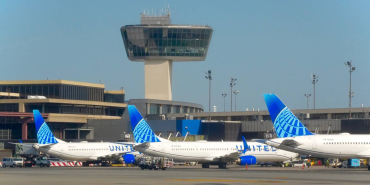




Turkish Airlines (THY) is reconsidering its plans regarding its order of 150 Boeing 737 MAX jets due to ongoing cost disputes in negotiations with engine supplier CFM International.
THY Chairman of the Board Ahmet Bolat said, “If CFM reaches economically viable conditions, we will sign the agreement with Boeing; otherwise, we will turn to Airbus.”
Engine Costs at the Centre of Negotiations
In a statement to Reuters in Stockholm, Bolat noted that while some progress has been made with CFM, no consensus has yet been reached on costs.
“If CFM maintains this stance, we have options with Airbus,” Bolat added, indicating that the negotiations will continue in the coming weeks.
CFM International, the sole engine supplier for the Boeing 737 MAX, operates as a joint venture between GE Aerospace and Safran. The company stated, “As a matter of policy, we do not disclose details of contractual discussions with customers.” Boeing has declined to comment on the matter.
Major Fleet Renewal Plan
In 2023, Turkish Airlines began a comprehensive fleet renewal process by ordering more than 200 Airbus aircraft. The carrier aims to reach a total of 800 aircraft by 2033.
The new MAX order with Boeing was seen as part of this long-term strategy. However, sources indicate that the deal’s structure may change due to cost disputes and engine supply risks with CFM.
Risk-Sharing Dispute
The global shortage of engine parts and maintenance delays has caused tension between suppliers and airlines.
According to industry sources, the core issue lies in determining who will bear the risk for long-term repair costs.
Experts note that jet engines are often sold at a loss, with manufacturers earning profits from flight-hour-based maintenance contracts. However, increasing wear rates have made these models riskier for producers.
THY Still Interested in Boeing 777X
In a positive development for Boeing, Bolat said that Turkish Airlines continues to closely monitor the 777X programme despite ongoing delays.
“We will order the 777X when the time is right, but we are in no rush,” Bolat said, noting that the aircraft is being evaluated for long-haul operations.
The Boeing 777X is expected to enter service in 2027—around seven years behind its original schedule.