



SpaceX’s massive Starship rocket programme once again became the focus of controversy following a test accident in early 2025. During a test flight conducted on 16 January, a Starship prototype experienced what SpaceX officially described as a “rapid, unplanned disassembly during ascent”. This technical phrasing was widely interpreted as a veiled admission that the rocket exploded in mid-flight.
Following the incident, numerous videos circulated online showing Starship debris re-entering the atmosphere in flames over Turks and Caicos in the West Indies. While the science-fiction-like footage drew widespread attention on social media, SpaceX CEO Elon Musk mocked the incident with the following remark:
“Success is uncertain, but entertainment is guaranteed!”
BURNT DEBRIS SCATTERED ACROSS BEACHES
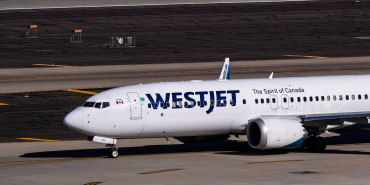
However, the impact of the incident was not limited to social media footage. Residents of the Turks and Caicos Islands reported finding burnt rubber fragments and metal debris on normally pristine beaches. When a similar incident occurred in almost the same way on 24 February, airlines were also put on alert. Flights passing through the region were forced to urgently change their routes to avoid burning metal fragments.
450 PASSENGERS NARROWLY AVOIDED A POTENTIAL DISASTER
Eleven months after the incident, Federal Aviation Administration (FAA) documents obtained by the Wall Street Journal (WSJ) revealed that the risk was far greater than initially presented to the public. The documents showed that three aircraft — a JetBlue flight, an Iberia Airlines passenger aircraft and a private jet — carrying a total of 450 passengers passed dangerously close to Starship debris.
Although all three aircraft landed safely, the reports stated that had any piece of debris struck an aircraft, a major aviation disaster could have occurred.
AIR TRAFFIC CONTROLLERS SHOCKED: “ALMOST OUR ENTIRE AIRSPACE WAS FILLED WITH DEBRIS”
An FAA report accessed by the WSJ highlighted that air traffic controllers made extraordinary efforts to keep aircraft away from the debris field, significantly increasing their workload and creating a “potentially excessive safety risk”.
The recorded words of one air traffic controller in the region summarised the situation:
“I don’t know if you were informed, but a rocket was launched and it appears the rocket exploded. Almost all of our airspace between us and Miami was filled with debris. I had to keep all aircraft out of that area.”
DELAYED NOTIFICATION FROM SPACEX
According to FAA documents, SpaceX did not report the Starship explosion in a timely manner via the official notification hotline. This system was designed to rapidly warn pilots and air traffic control. Pre-designated no-fly zones were activated four minutes after SpaceX lost contact with Starship. However, the company confirmed the loss of the vehicle to the FAA only after 15 minutes.
QUESTIONS FOR THE FAA AND THE WASHINGTON FACTOR
The Wall Street Journal report also noted that Elon Musk’s strong political connections in Washington may have played a role in the FAA adopting a more lenient approach towards SpaceX. According to the report, despite its own policies requiring safety risks to be addressed, the FAA suspended a safety review in August, arguing that existing measures were sufficient.
SPACEX STRONGLY DENIES CLAIMS
SpaceX firmly rejected the allegations. In a statement posted on the company’s account on X, the platform owned by Elon Musk, the following remarks were made:
“This is yet another misleading ‘story’. It amplifies the voice of an erratic CEO with a troubled history with the news industry. Reporters were provided with incomplete and misleading information by bad-faith adversaries.”
The statement also added: “SpaceX remains committed to the responsible use of airspace during launches and re-entries, and to protecting the safety of people on land, at sea and in the air.”
STARSHIP TESTS CONTINUE
Despite the controversy, SpaceX continues to work on the Starship super-heavy launch system using its iterative design approach. This method has so far resulted in more than a dozen major explosions.
In the company’s most recent full-scale test — the 11th such test conducted on 13 October — Starship flew in space for a period after launch before making a controlled landing in the Indian Ocean. A more powerful new version is expected to be tested in the early part of next year.
However, the FAA documents and the findings revealed by the WSJ indicate that questions surrounding the impact of Starship tests on aviation safety have yet to be fully resolved.