


NASA’s Silent Supersonic Aircraft X-59 Set to End 50-Year Ban in Aviation
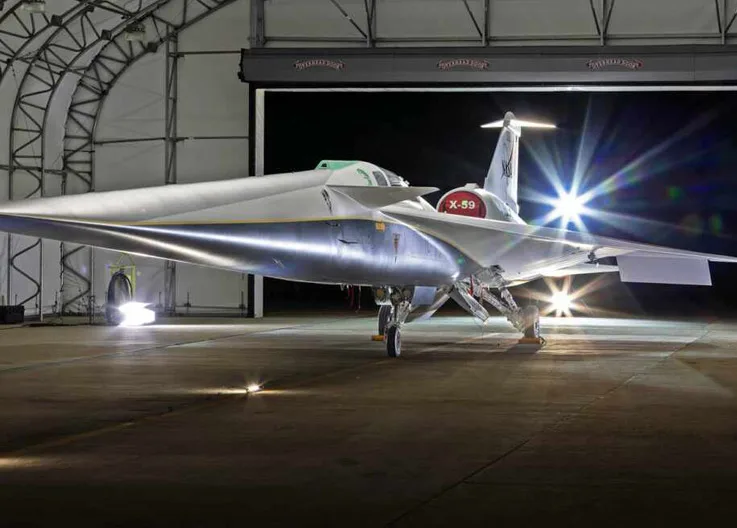
NASA has unveiled the X-59 Quiet SuperSonic Technology (QueSST) aircraft, which could revolutionize commercial aviation. Developed in collaboration with Lockheed Martin, this experimental plane can reach speeds of 1.4 times the speed of sound and almost completely eliminates the sonic boom noise—the biggest issue in supersonic flights.
Silent Supersonic Technology
The most remarkable feature of the X-59 is its special fuselage design that disperses shock waves generated at supersonic speeds, producing a mild “sonic thump” instead of a deafening boom. The aircraft’s long, slender nose improves aerodynamic efficiency while minimizing noise. Pilots use an augmented reality-supported External Vision System (XVS) instead of a traditional windshield.
A Revolution in Commercial Aviation
Supersonic flights have been banned for over 50 years due to noise pollution. If X-59’s tests succeed:
-
Flight times will be cut in half. For example, the New York–Los Angeles route could drop from 5.5 hours to about 2.5 hours.
-
Regulations will be reshaped. Noise thresholds will be updated based on data.
-
New markets will open. Supersonic aircraft can be used for fast business travel and emergency response.
NASA has completed taxi tests of the X-59 and will soon begin flight testing. During this process, data will be collected on how people on the ground perceive the “sonic thump” sound. Successful results could restart the supersonic era in commercial aviation.