
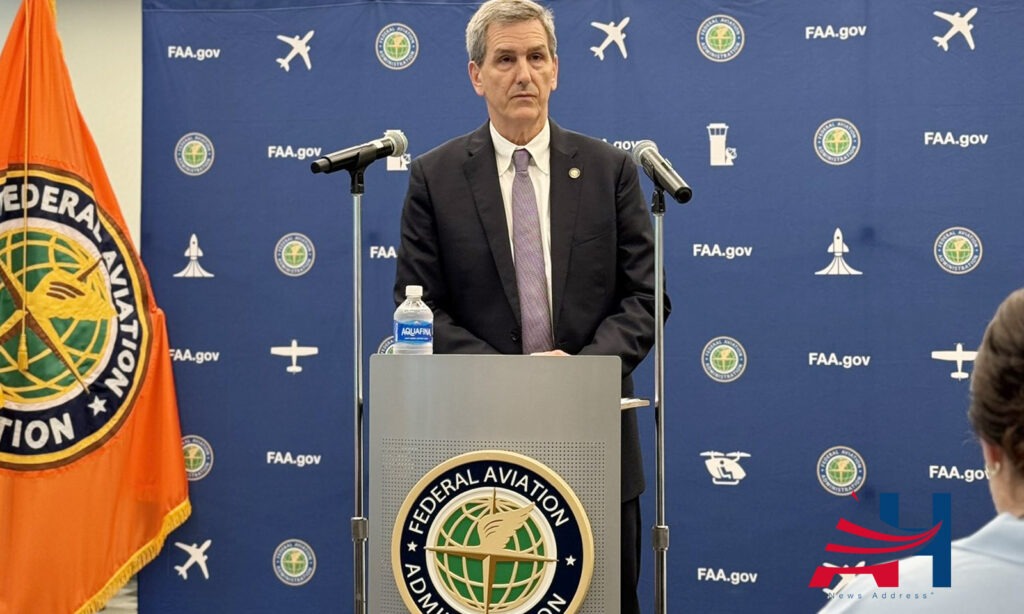


Mike Whitaker, Administrator of the U.S. Federal Aviation Administration (FAA), has announced that Boeing will not be allowed to increase production of its 737 Max for several months.
The 737 Max series was grounded for the second time after fatal crashes in 2018 and 2019. Since January 2024, no increase in production has been permitted. Boeing has faced whistleblower allegations that safety checks and shortcuts were rushed during the race to bring the aircraft to market, alongside legal actions and criminal investigations.
On May 23, Boeing’s CFO Brian West indicated that the company would spend up to $4 billion in cash this quarter, rather than turning a profit.
An improvement plan, crucial for getting Boeing back on track, needed approval from the FAA. Last week, Boeing’s top team, including outgoing CEO Dave Calhoun, had a three-hour meeting with Whitaker to present their strategies for staff training and factory processes.
Whitaker emphasized, “This plan does not mark the end of our increased oversight on Boeing and its suppliers. Regardless of how many planes Boeing produces, we need to see strong and unwavering commitment to safety and quality over time. This is about systemic change, and there is much work to be done.”
Whitaker stated that the regulatory body “will not approve production increases beyond the current limit until we are satisfied,” which could take several months, with no specific timeline for lifting production limits. “Boeing has laid out their roadmap, and now they need to deliver on it.”
NOW: FAA Administrator Mike Whitaker says he just held an hours-long meeting with Boeing CEO Dave Calhoun on its plan to make “necessary changes” following the 737 Max 9 door plug blowout. “This is a guide for a new way for Boeing to do business.” pic.twitter.com/yzOCBy6RgV
— Pete Muntean (@petemuntean) May 30, 2024
The roadmap includes 300 hours of training material, ensuring executives spend more time on the factory floor rather than in office meetings, and increasing oversight of suppliers like Spirit, which has struggled with Dreamliner production.
Whitaker made it clear that the FAA will not step back from supervising the manufacturer soon. Weekly oversight meetings between top FAA representatives and Boeing chiefs will continue.
Stephanie Pope, a Boeing executive with a positive view on regulation, stated that the company “is confident in the plan we have put forth and is committed to continuous improvement.” Pope added, “We will work under the FAA’s oversight and fulfill our public responsibility to continue delivering safe, high-quality airplanes.”
© www.aerohaber.com | www.tr.aerohaber.com
Note: Aviation news on our news site cannot be used without citing the sourc