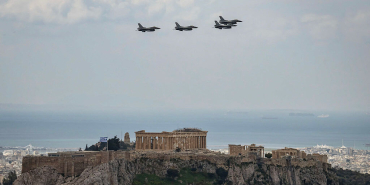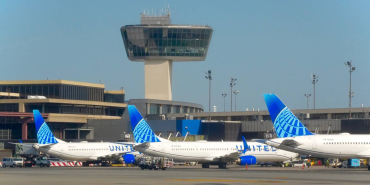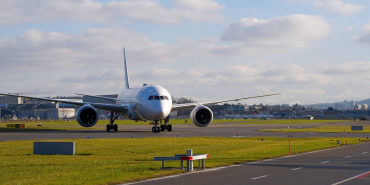

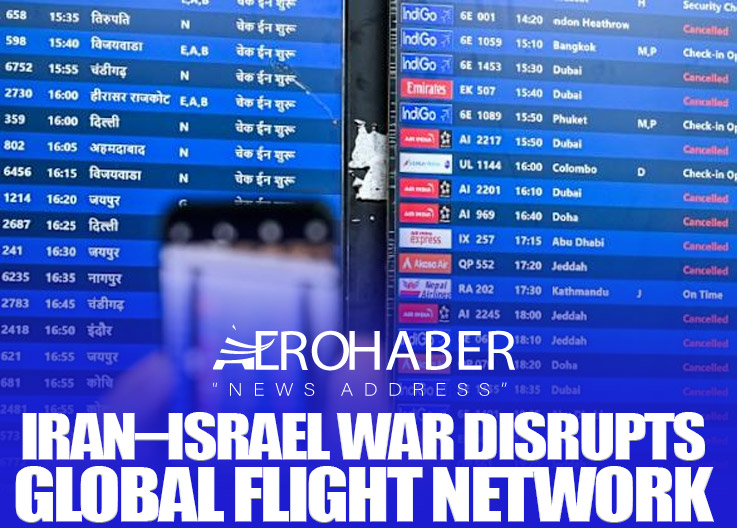


The war between Iran, Israel and the United States has significantly affected air traffic in the Middle East. As regional airspaces were closed, more than 23,000 flights were cancelled, while airlines launched evacuation and emergency flights for stranded passengers.
War in the Middle East paralyses air traffic
The impact of the war between Iran, Israel and the United States has triggered a major crisis in the aviation sector. As numerous airspaces in the region were closed or restricted, thousands of flights were cancelled and many airlines were forced to change their routes.
According to data from aviation tracking platform Flightradar24, more than 23,000 flights have been cancelled since the crisis began. Flight cancellations and airspace restrictions have directly affected major aviation hubs across the Middle East.
Missile alert affected flights
Most recently, after missiles launched from Iran were detected, a Los Angeles–departing aircraft belonging to El Al was forced to circle in a holding pattern over the Mediterranean until it received permission to land in Israel.
According to assessments by aviation data analysis companies, the closure of major regional airspaces and the suspension of numerous flights since the crisis began at the end of February have also seriously affected the global flight network.
Gulf aviation hubs at the centre of the crisis
Airports in Dubai, Abu Dhabi and Doha, which normally serve more than 10 million seats in weekly capacity, were among the hubs most affected by the crisis.
Air cargo operations were also severely disrupted. Significant delays were reported particularly in critical cargo shipments such as medical supplies and perishable food transportation.
Airlines suspend flights
Qatar Airways announced that it had temporarily suspended its flights due to the closure of the country’s airspace. The company stated that operations would resume once civil aviation authorities confirm that the airspace has safely reopened.
Meanwhile, Flynas announced that it would launch a limited number of extraordinary flights between Riyadh, Jeddah and Dubai due to increased demand.
Emirates, on the other hand, moved to a limited flight schedule after some airspaces partially reopened. The airline announced that it had operated more than 100 round-trip flights to and from Dubai International Airport within two days. However, data shows that air traffic at the airport is currently only at 25 per cent of its normal capacity.
Evacuation flights for stranded passengers
As the crisis deepened, many airlines began organising special flights to evacuate passengers stranded in the region.
Eurowings, part of the Lufthansa Group, operated an Airbus A320 evacuation flight carrying approximately 150 tourists from Riyadh to Cologne who were unable to leave the region due to military developments.
In addition, Gulf Air announced that more than 400 transit passengers affected by the security crisis had been evacuated with hotel accommodation and alternative flight arrangements.
Muscat becomes centre for evacuation flights
Following the crisis, Muscat International Airport has become a key hub for evacuation and transfer flights. According to aviation data, more than 30 per cent of flights at the airport consist of special and evacuation operations.
Jordan, meanwhile, announced that air traffic remained relatively stable despite regional tensions. At Queen Alia International Airport, 67 arrivals and 58 departures were recorded in a single day.
Experts: The impact of the crisis may last long
Aviation experts say it may take weeks or even months for the global flight network to be reorganised. Karim Junior, a researcher at Griffith University, stated that even a one-day closure of an airport could require weeks to readjust flight schedules.