


Cabin crew working on long-haul flights have a lot on their plate, what with spending time away from home and having to sometimes operate overnight services. While they assist in ensuring that passengers’ journeys are as comfortable as possible, the most important side of their role concerns safety. As such, many widebody jets have dedicated crew rest areas to ensure that cabin crew stay fresh.
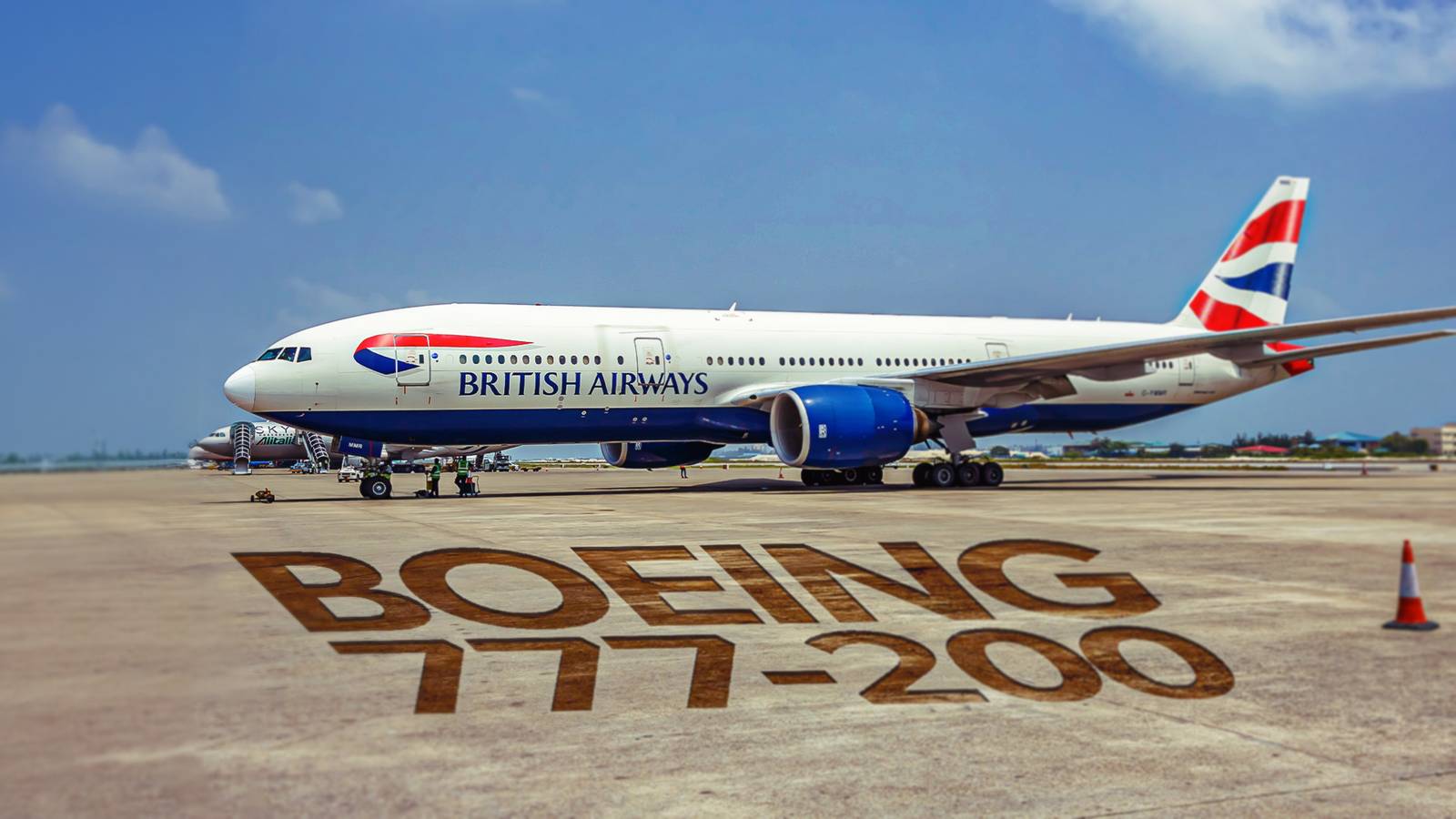
At British Airways, however, this isn’t always the case, with cost-cutting concerns meaning that, as One Mile At A Time notes, the UK flag carrier and oneworld founding member’s Boeing 787-10s and some of its 777-200ERs don’t have crew bunks. As such, resting flight attendants generally have to take their breaks in jumpseats. Now, however, this is set to change, with vacant passenger seats also in play.
Coverage of the matter by One Mile At A Time highlights a thread on the Flyer Talk forum where rumors of the changes to British Airways’ policy concerning crew rest on certain widebody twinjets appeared towards the end of last week. The poster specifically notes that “updated guidance around cabin crew rest on long-haul flights, particularly on aircraft without dedicated crew bunks” will be introduced.
The aircraft in question are all of BA’s Boeing 787-10 Dreamliners and some of its 777-200ERs, with One Mile At A Time noting that the cost and weight of dedicated crew rest bunks prompted the airline to cut this particular corner. This meant that its crew could only take their breaks in curtained-off jumpseats in the galley, but, going forward, they look set to also be able to use vacant first and business seats.
Simple Flying has reached out to British Airways for further information on this matter. We will update our coverage upon receiving a statement from the airline.
For long-haul flight attendants who work on these aircraft at British Airways, these rumored changes will certainly come as a relief. Their use of vacant seats in the first class and business class cabins does come with a few stipulations, such as the fact that, as noted by the original poster on Flyer Talk, they will be required “to remove or cover uniform items and to use the bedding provided for that cabin.”
It is also thought, in the longer term, that British Airways might be considering ‘soft blocking’ certain rows of ‘World Traveller’ economy class seats on these aircraft (typically the center block of the rearmost row), so that they can be kept open for resting cabin crew. This would give BA and its flight attendants further flexibility on this front, although, as yet, its IT systems have not been changed to allow this.
British Airways would not be the first airline to allow its crew members to use passenger seats during their rest periods on board long-haul flights. Indeed, this is commonplace among the admittedly decreasing number of Boeing 767 operators, due to these widebodies being on the smaller side and designed in an era when twinjets flew fewer long-haul services. You can read more about crew rest on the 767 below!
The Boeing 767’s crew rest solution reflects an earlier era of aircraft design, where dedicated sleeping compartments were uncommon.
Using the Boeing 787-10 as an example, we can see that the ‘Club World’ business class seats on these aircraft, also known as Club Suites, will offer a spacious and relaxing environment for cabin crew to rest in. Indeed, aeroLOPA shows that these flatbeds are 21 inches wide, and, once converted, stretch to 79 inches long. They are laid out four-abreast, while some 777s have a less favorable 2-4-2 setup.
First class is an even more spacious affair, with the seat being 22 inches wide when upright and 29 inches wide once converted to a bed. Once again, their maximum length in the latter setup is 79 inches long. Of course, with only eight of these on BA’s 777s and 787s, spare seats might be hard to come by for resting cabin crew, but even the Club World business class cabin still represents a notable upgrade.
Orijinal Haberi Görüntüle