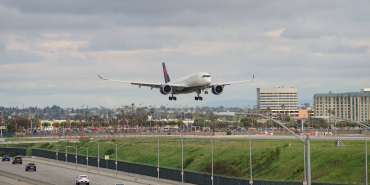

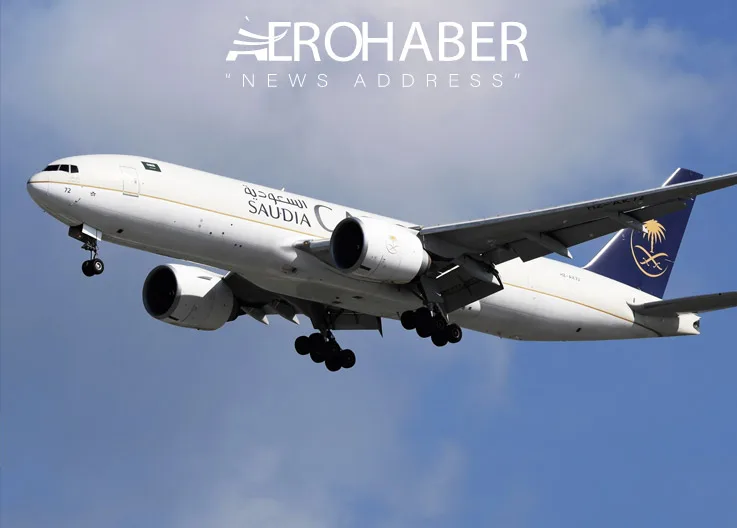


Islamabad International Airport faced a major aviation safety breach on Wednesday. According to information reported by 24NewsHD television, a Boeing 777 belonging to a foreign airline arriving from Jeddah attempted to land on a runway that was closed for maintenance. Thanks to a critical last-minute warning from Air Traffic Control (ATC), a possible crash was prevented.
Pilot Aligned with Closed Runway, ATC Intervened Urgently
According to airport officials, the aircraft mistakenly began its approach to Runway 28 Left, which was under maintenance. However, the NOTAM issued to pilots clearly stated that Runway 28 Left was closed and Runway 28 Right was active.
Noticing the situation during the approach, ATC immediately informed the pilot that he was heading toward the wrong runway. However, according to officials, the captain of the Boeing 777 insisted that he was on the correct approach path. Meanwhile, maintenance crews, vehicles, and personnel were present on the closed runway.
Minutes before landing, ATC issued an urgent go-around instruction to the captain to prevent an accident. The intervention saved hundreds of passengers and airport staff from a potential catastrophe.
Safe Landing on the Second Attempt
After the go-around, the aircraft was vectored for another approach and this time made a safe landing on the correct runway, 28 Right. Airport officials emphasised the critical nature of ATC’s split-second decision, stating, “Had there been no intervention, a serious accident could have occurred.”
Investigation Launched
The Pakistan Airports Authority (PAA) issued an official statement regarding the incident and announced that a detailed investigation had been launched. As part of the inquiry, investigators will examine why the pilot insisted on continuing toward the closed runway despite the NOTAM information.
PAA’s Upper Airspace Information
The Pakistan Airports Authority handles 400–450 upper-airspace overflights daily.
Overflight charges:
Determined based on the aircraft’s maximum take-off weight (MTOW).
Range between USD 0.44 and USD 1.30 per kilometre.
The PAA does not collect taxes from passengers; special consumption taxes are applied and collected by the Federal Board of Revenue (FBR).